
NASA Steps Up Support for Boeing Starliner After Butch and Suni Mission
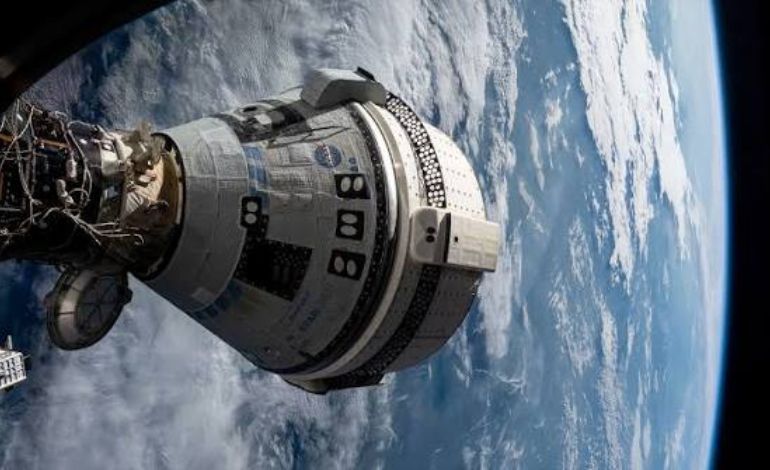

NASA is putting additional support and funding behind Boeing’s troubled astronaut capsule as it works to get the spacecraft fixed and flying again.
Boeing’s Starliner ran into so many problems during its 2024 test flight that its two pilots ended up stuck aboard the International Space Station for nearly a year. NASA later reclassified the mission as a crew-endangering incident, its most severe safety ranking.
NASA Administrator Jared Isaacman said Monday that Boeing should be ready to launch an improved Starliner to the space station by December, carrying cargo but no crew. Astronauts won’t fly on it again until 2028, since further safety redesigns are expected to take months, if not years, to complete. Program manager Dana Weigel has stressed that everyone needs full confidence that Starliner’s problems have been resolved before astronauts return to the capsule.
NASA astronaut Woody Hoburg, who will command the next Starliner flight, said the program is on the right path. Reflecting on the original test pilots, Butch Wilmore and Suni Williams, both now retired, Hoburg called them American heroes and said he feels deeply humbled to follow in their footsteps.
NASA has long wanted two separate US options for ferrying astronauts to and from orbit, and paid billions of dollars to both Boeing and SpaceX to build that capability after the space shuttle program ended. SpaceX became the first private company to send astronauts to orbit in 2020 and is set to launch its 14th crew for NASA later this week. Boeing’s Starliner, after struggling through two uncrewed test flights, eventually carried Wilmore and Williams to orbit, though the pair had to return home aboard a SpaceX capsule nine months later after issues with Starliner.
SpaceX plans to phase out its Falcon 9 rockets and Dragon capsules in the coming years in favor of its larger Starship, which reached orbit for the first time on Monday, a shift that adds urgency to NASA’s push to get Starliner working reliably. The extra upgrades and new rocket certifications will cost NASA an additional 359 million dollars, according to Weigel, covering fixes that include new valves and seals.
The aging space station itself is due to be retired and deorbited by 2031, and several private US companies are already developing their own orbital outposts that will need dependable transport. SpaceX’s Starship is far too large to dock with such stations, and Musk has said the company’s priorities lie with future trips to the moon and Mars rather than routine station transport.
Asked why NASA doesn’t simply abandon Starliner and look elsewhere, Isaacman said the agency was always committed to seeing the program through with Boeing, and that it is now on a very good path.
Also Read:
Drone Strike Hits Tigray TV Station Amid Rebel Advance in Ethiopia
Pope Leo Promises Action Following Meeting With French Clergy Abuse Survivors