


Ukraine Steps Back from NATO Plan as Peace Talks Show New Hope
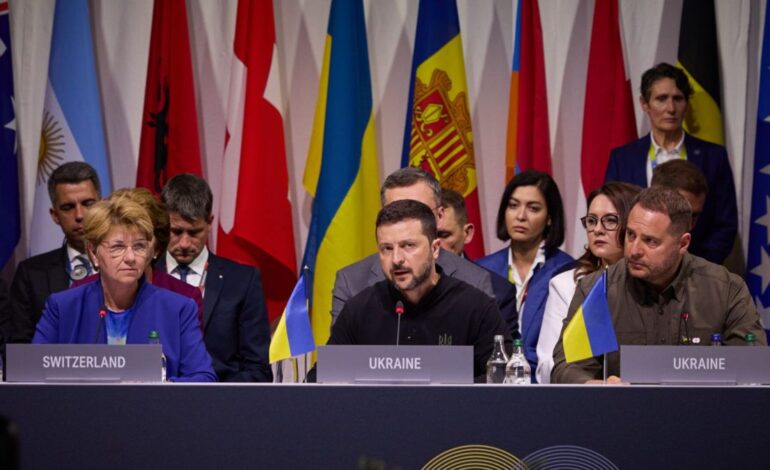

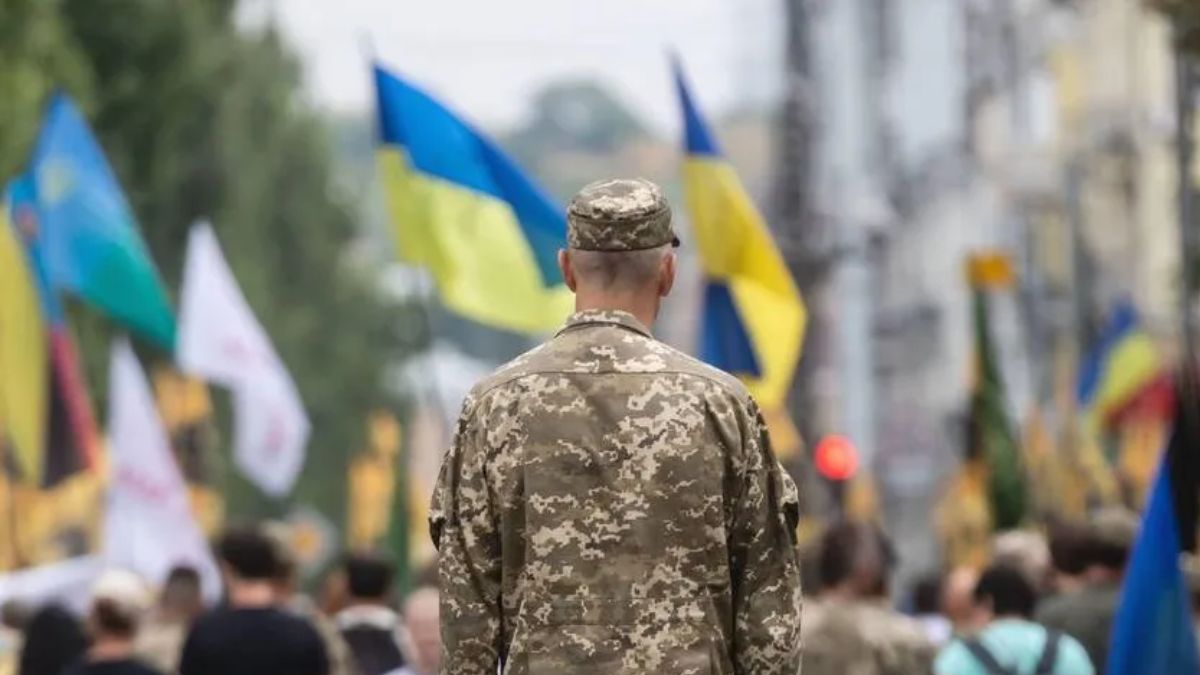
The air in Berlin this weekend was heavy with the weight of history. In a move that would have been unthinkable just months ago, Ukrainian President Volodymyr Zelensky offered a major concession: to drop Ukraine’s long-held goal of joining NATO. This pivot came during five hours of talks with envoys representing former US President Donald Trump, signaling what participants called “a lot of progress” in the grueling effort to end Europe’s bloodiest conflict in decades.
The Core Concession: Trading NATO for Guarantees
For Ukraine, this is a profound shift. The aspiration to join the North Atlantic Treaty Organization is written into its constitution, envisioned as the ultimate safeguard against future Russian aggression. Yet, in Berlin, Zelensky framed this step back as a necessary compromise for real, immediate security.
“From the very beginning, Ukraine’s desire was to join NATO, these are real security guarantees. Some partners from the US and Europe did not support this direction,” Zelensky explained. The proposed alternative? Legally binding, bilateral security guarantees from the United States—akin to the collective defense promise of NATO’s Article 5—alongside commitments from key European nations, Canada, and Japan.
This concession directly addresses one of Russian President Vladimir Putin’s core, repeated demands: a neutral Ukraine, permanently barred from the Western alliance. However, Kyiv has so far held firm against another central Russian aim—ceding sovereign territory.
The Negotiating Table: Trump’s Envoys and European Anxieties
The talks, hosted by German Chancellor Friedrich Merz, featured Trump’s son-in-law Jared Kushner and negotiator Steve Witkoff. Their presence alone is a political signal, suggesting Washington sees a tangible opening for diplomacy nearly four years into the full-scale invasion.
Yet, the setup drew cautious scrutiny. German Defense Minister Boris Pistorius called it “anything but an ideal setup,” noting the envoys’ backgrounds as businessmen rather than career diplomats. “But as they say, you can only dance with the people on the dance floor,” he added, acknowledging the current political realities.
European allies watched with a mix of hope and deep concern. There is acute awareness of Ukraine’s bitter past experience with security assurances—the 1994 Budapest Memorandum, where it gave up nuclear weapons in exchange for territorial guarantees that proved hollow when Russia annexed Crimea in 2014.
“Therefore, it remains to be seen to what extent this statement Zelensky has now made will actually hold true,” Pistorius stated, emphasizing that any guarantee without substantial U.S. involvement “wouldn’t be worth much.”
The Unresolved Equation: Territory and Trust
While the NATO concession is monumental, it is only one piece of a shattered puzzle. Draft proposals circulating among Western capitals suggest a deal would also require Kyiv to accept limits on its armed forces and make difficult territorial decisions. A ceasefire along current front lines, which would leave Russia in control of roughly 20% of Ukraine’s territory, has been floated by Zelensky as a “fair option.”
For Ukraine, the calculus is agonizing. Is a formal, Western-backed security guarantee—a promise of future protection—worth accepting a smaller, non-aligned state and a frozen conflict? For the West, the question is whether a deal that meets some Russian demands can secure a lasting peace, or merely an intermission for Putin to rearm.
A Critical Moment
As talks resumed Monday, the world is witnessing a critical juncture. Pressure for a deal is mounting from multiple directions: war fatigue, political shifts in Washington, and the devastating daily toll on Ukraine. Zelensky’s offer shows a new, painful pragmatism.
The path forward remains shrouded in mistrust and monumental detail. What exactly would these security guarantees entail? How would they be enforced? Can Russia be trusted to hold any agreement?
The Berlin talks have opened a door that seemed locked. Whether it leads to a stable peace or a precarious new chapter will depend on the answers to these questions, and whether all parties are willing to accept a peace built not on total victory, but on exhausted, imperfect compromise.
Also Read:
Historic Rains in Washington State Lead to Severe Flooding and Rescue Efforts
US Forces Raid Ship Bound for Iran Amid Rising Gulf Tensions