



Witkoff and Kushner’s Moscow Visit: Can Talks with Putin Lead to Peace?
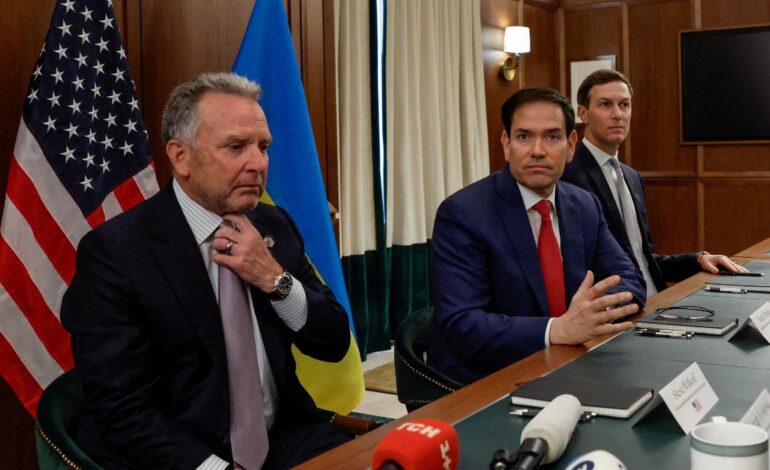

MOSCOW/WASHINGTON — Steve Witkoff, U.S. President Donald Trump’s special envoy, accompanied by former senior adviser Jared Kushner, will meet with Russian President Vladimir Putin in Moscow on Tuesday in the latest high-stakes diplomatic effort to end the war in Ukraine.
The talks represent the most direct engagement between the Trump administration and the Kremlin since an August summit in Alaska. President Trump has repeatedly described the conflict as a “bloodbath” and a “proxy war,” expressing a strong desire to broker a peace deal. However, earlier U.S. proposals—including a 28-point draft leaked last week—alarmed Ukrainian and European officials for appearing to accommodate key Russian demands.
Contentious Negotiations
The leaked U.S. draft included provisions viewed as favorable to Moscow, such as potential restrictions on Ukraine’s military, recognition of Russian territorial gains, and a guarantee that Ukraine would not join NATO. European powers responded with a counter-proposal, and subsequent talks in Geneva produced what U.S. and Ukrainian officials called an “updated and refined peace framework.”
Putin has indicated that the discussions are not yet about a final agreement but about exploring proposals that “could be the basis for future agreements.” Kremlin spokesman Dmitry Peskov confirmed the Tuesday meeting but avoided detailing Russian red lines, cautioning against “megaphone diplomacy.”
Military Realities on the Ground
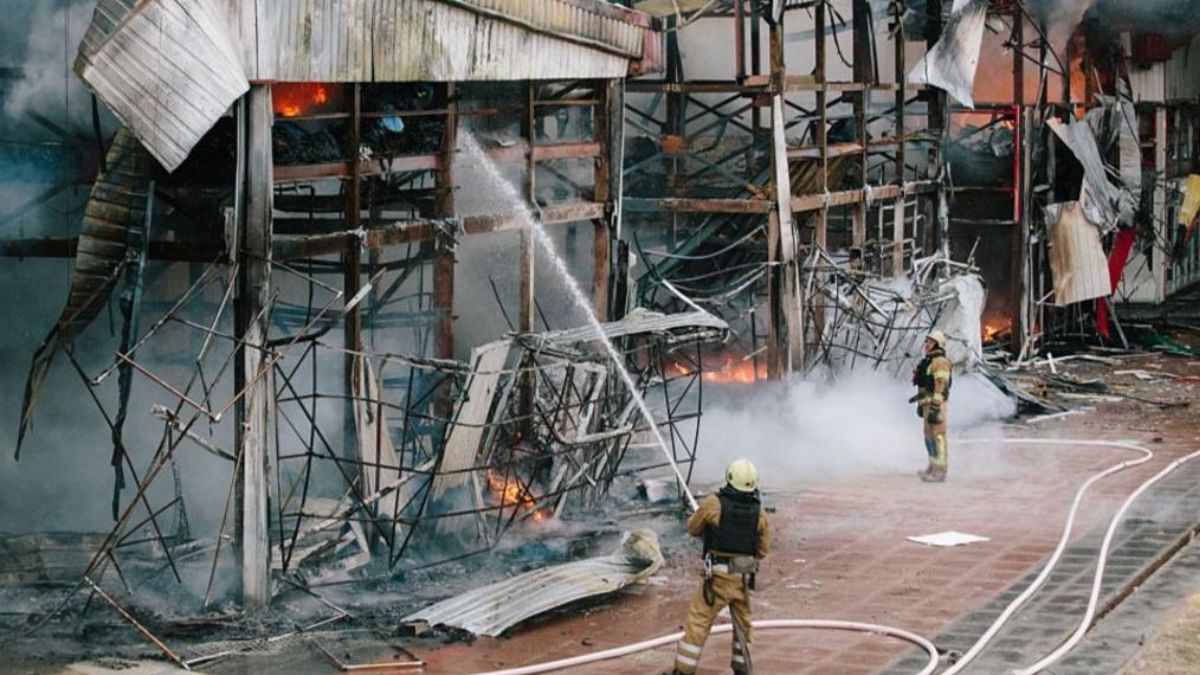
The diplomatic push comes as Russian forces continue to make incremental advances. According to pro-Ukrainian maps, Russia now controls over 19% of Ukrainian territory, including recent gains around Pokrovsk and Vovchansk. Putin has warned that if Ukraine rejects a negotiated settlement, Russia will seize more land.
U.S. estimates place combined military casualties at over 1.2 million, though neither Kyiv nor Moscow releases official figures.
European Anxieties
European leaders fear that a U.S.-brokered deal could prioritize American economic interests—such as future investments in Russian oil, gas, and rare earths—over Ukraine’s sovereignty and long-term security. Key Russian demands include:
- Permanent Ukrainian exclusion from NATO
- Caps on the size and capability of Ukraine’s armed forces
- Formal recognition of Russian sovereignty over Crimea, Donbas, Zaporizhzhia, and Kherson
- Protections for Russian speakers and the Russian Orthodox Church in Ukraine
Ukraine views these terms as tantamount to surrender, leaving the country vulnerable to future aggression. In response, the U.S. has floated the idea of a 10-year security guarantee for Kyiv.
Recent Consultations
Witkoff and Kushner met with Ukrainian National Security Secretary Rustem Umerov on Sunday at Witkoff’s Shell Bay club in Florida. Following talks in Paris, Ukrainian President Volodymyr Zelensky stated on social media that “the war must be brought to a fair end.”
The conflict, which began with Russia’s full-scale invasion in February 2022, has its roots in the 2014 annexation of Crimea and the subsequent war in eastern Ukraine.
As Witkoff and Kushner prepare to sit across from Putin, the question remains whether these talks can move beyond entrenched positions to create a credible path to peace—or whether diplomatic efforts will again stumble over the irreconcilable demands of war.
Also Read:
Zelensky Meets Macron to Strengthen Ukraine Support as Trump Signals Optimism
Communication Jam Reported as Filipino Forces Resupply Philippines-Held Shoal