



“Why the Next UN Chief Could Be a Woman: Rebeca Grynspan Shares Her Views”
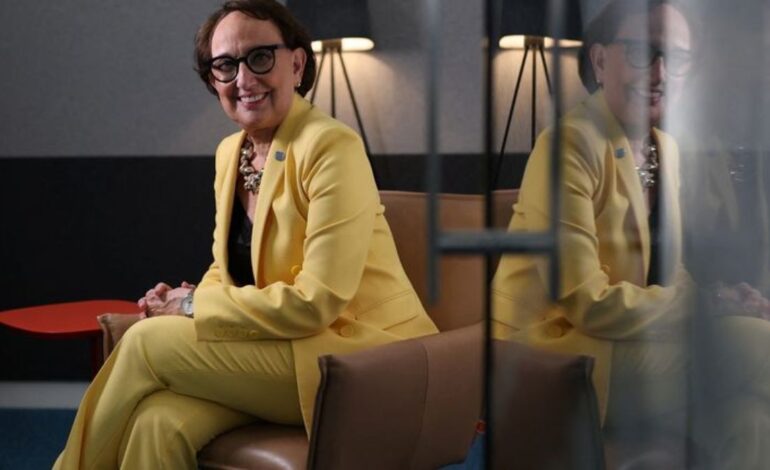

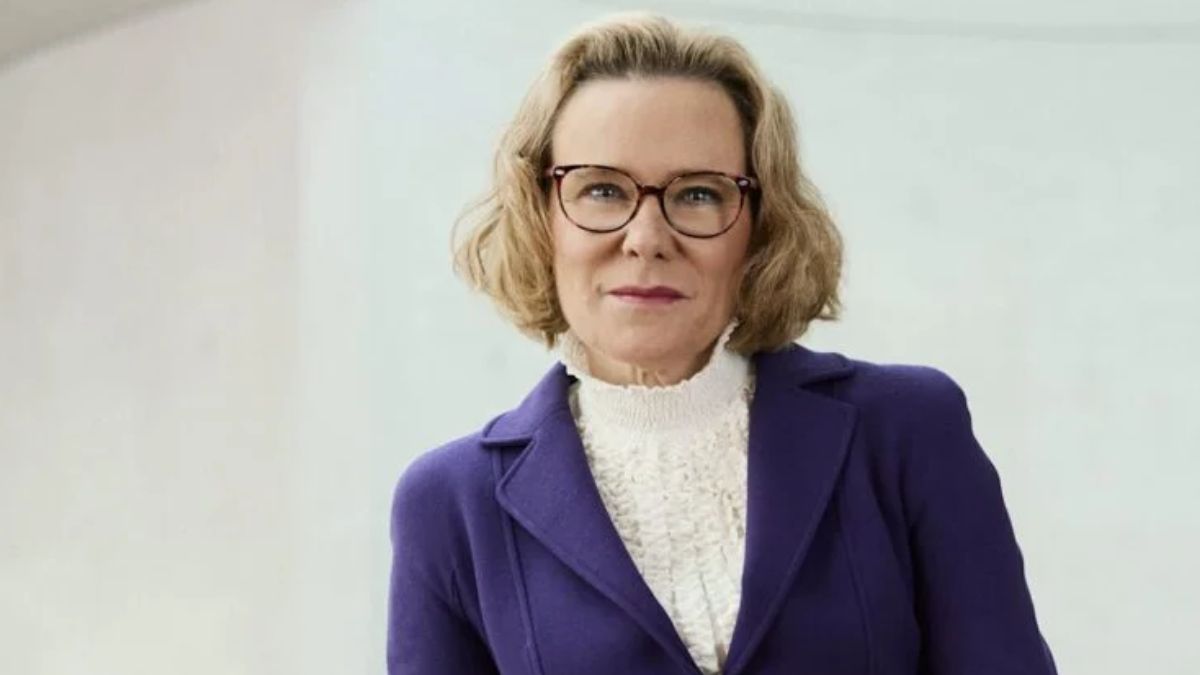
LONDON — For the first time in its 80-year history, the United Nations could be led by a woman, says Rebeca Grynspan—one of the frontrunners to become the next secretary-general.
The formal process to choose a successor to António Guterres began last week, with member states invited to submit nominations ahead of the January 2027 transition. Among the declared candidates are Grynspan, a former vice president of Costa Rica and current head of the UN Conference on Trade and Development; Chile’s former President Michelle Bachelet; and Argentine diplomat Rafael Grossi.
In an interview in London, Grynspan, 69, emphasized that what women candidates seek is not special treatment, but an end to discrimination. “If equality will prevail, we will be able to get there,” she said. “That’s the only thing that we are asking: equal treatment.”
A Long-Overdue Breakthrough
The UN has never had a female secretary-general, a fact Grynspan calls inexplicable given the number of qualified women in global leadership. With the position traditionally rotating among regions, Latin America and the Caribbean are next in line—strengthening the possibility that a woman from the region could finally break the glass ceiling at the world’s top diplomatic post.
Grynspan also stressed the need for the UN to evolve beyond its 1945 origins, when 51 founding members shaped its structure. Today’s 193 member states, many from the Global South, deserve greater influence. “Those voices have to have wider space to be heard,” she said, endorsing reforms such as permanent Security Council seats for Africa and Latin America.
Leading in a Skeptical Era
If elected, Grynspan would take office during Donald Trump’s presidency—a period marked by U.S. skepticism toward multilateral institutions. Trump has repeatedly criticized the UN, calling on it to get its “act together” while questioning its effectiveness in conflict resolution.
Rather than dismissing such critiques, Grynspan views them as an opportunity. “The UN has to embrace reform, not be defensive about reform,” she argued. Acknowledging a “weakening of trust” in the organization, she emphasized the importance of restoring confidence while protecting the UN’s legacy.
“Institutions have to be able to look at themselves and… admit that they don’t do everything right,” she said. “What we don’t want is to throw away all the experience and infrastructure the UN has built these 80 years that has served the world pretty well.”
A Legacy of Progress
Grynspan highlighted the UN’s historic contributions—from reducing poverty and infant mortality to promoting peace and development. The challenge now, she suggested, is to adapt the institution to today’s complex global landscape without discarding what has worked.
As the selection process unfolds, the possibility of a woman finally leading the United Nations represents more than a symbolic shift. It signals a demand for deeper inclusion—both in who leads, and in whose voices shape the future of international cooperation.
Also Read:
How a 15-Year-Old Pin Became a Symbol of Saudi-China Cultural Friendship