




Why China’s Air Operations Near Japan Are Raising Security Concerns
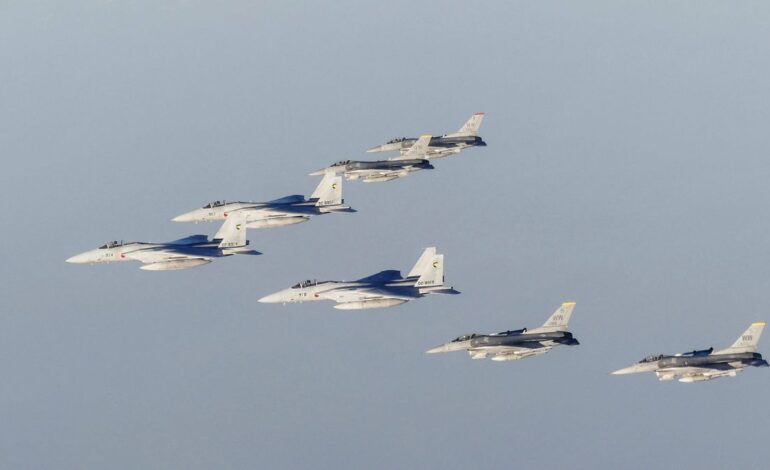

A Chinese carrier strike group’s recent movements east of Japan’s Okinawa Islands have triggered a sharp rise in regional security concerns. Over the weekend, Japan’s Self-Defense Forces reported intense air operations involving the aircraft carrier Liaoning, with approximately 100 takeoffs and landings conducted as the group sailed into the Pacific. This display of naval power has escalated into a serious diplomatic incident, highlighting the fragile military balance in East Asian waters.
The core of the tension lies in what Japan describes as dangerous and provocative behavior. Tokyo alleges that fighter jets from the Liaoning directed radar beams at Japanese aircraft that were scrambled to monitor the carrier group’s movements. In military terms, “illuminating” a target with fire-control radar is a significant act—it simulates a step toward engagement and can force the targeted aircraft into evasive maneuvers. Japan swiftly summoned China’s ambassador to protest what it called “regrettable” actions.
Beijing has firmly rejected Tokyo’s account. In a statement, the Chinese embassy asserted that it was Japanese aircraft that endangered flight safety by approaching the carrier during routine training exercises. The statement demanded Japan “stop smearing and slandering” and restrain its frontline forces. Japan’s Chief Cabinet Secretary, Minoru Kihara, promptly dismissed this counterclaim.
This exchange marks one of the most serious military run-ins between the two nations in recent years. It occurs against a backdrop of already strained relations, particularly following remarks by Japanese Prime Minister Sanae Takaichi that Tokyo could respond to any Chinese action against Taiwan that threatens Japan’s own security. The carrier group’s drills near Okinawa—a strategically sensitive chain of islands—are seen by analysts as a demonstration of China’s ability to project power beyond the First Island Chain and into the Western Pacific.
For regional security observers, the incident underscores a worrying pattern of increased military activity and close-quarters encounters, raising the risk of miscalculation. As both sides assert their positions with growing firmness, these operations near Japan are not just tactical exercises but potent symbols of a deepening strategic rivalry, where every radar lock and close flight carries the weight of geopolitical signaling.
Also Read:
Sheinbaum Plans Major Support Rally: What It Means for Mexico’s Political Climate
Why Kallas Believes the US Is Europe’s Strongest Ally in Today’s Global Climate