

War on the Iraq-Iran Border: The Human Cost of Isolation and Trade Shutdown
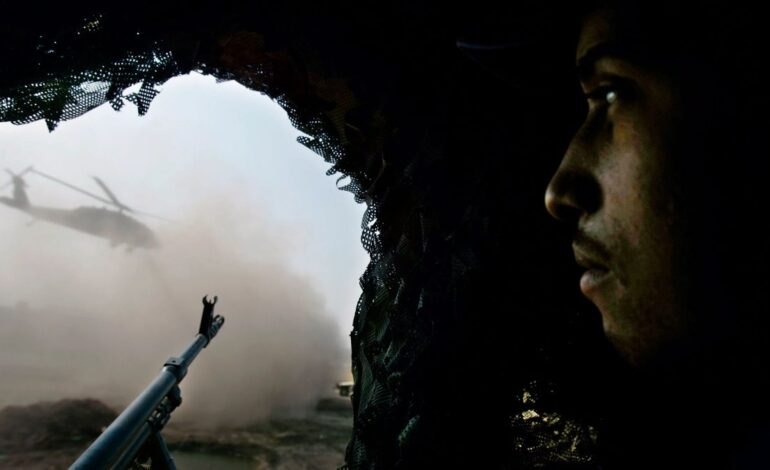

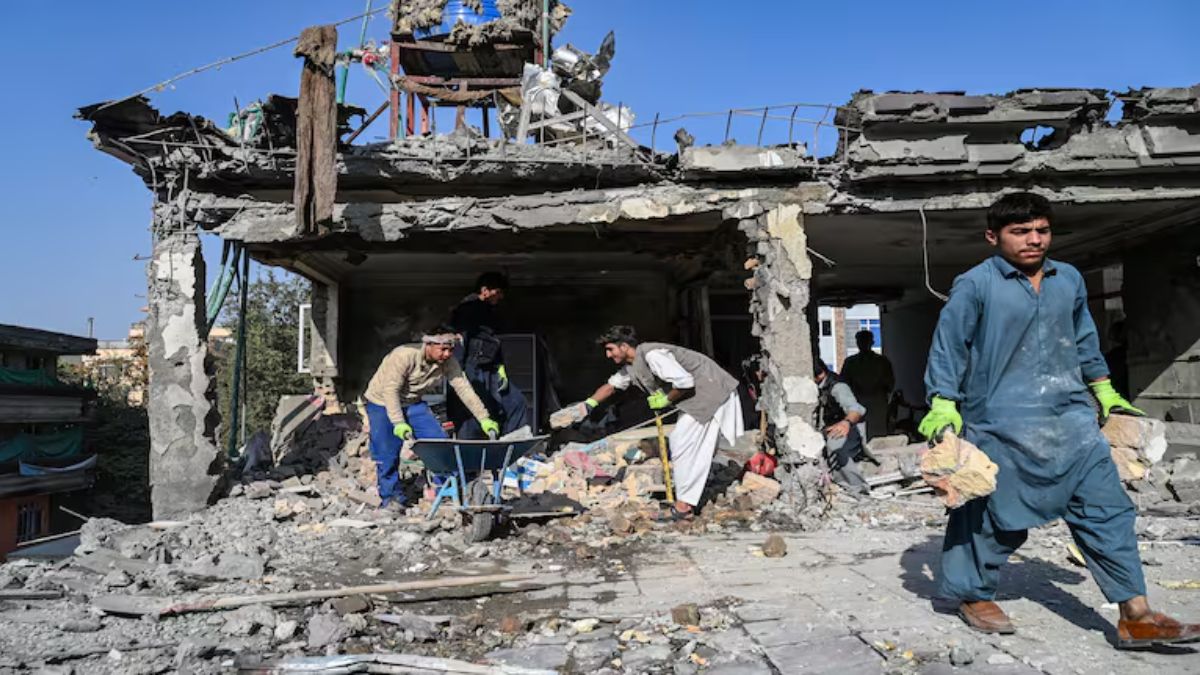
The border between Iran and northern Iraq’s Kurdish region has long been porous, alive with family ties, trade, and cross border movement. But as war intensifies, that border has effectively closed. Families are cut off from loved ones. Trade has nearly stopped. Communications are disrupted. The human cost is mounting as people struggle to maintain connections across a frontier that has become increasingly dangerous and heavily guarded.
Separated From Family
Yaser Fattahi fled to Iraq in December, fearing arrest for his role in anti government protests in Iran. A trained nurse, he was caring for wounded protesters in their homes so they wouldn’t need to seek care in state run hospitals under surveillance.
Now, as the war intensifies, he worries constantly for his mother’s safety. The only way they communicate is through a complex arrangement. A cousin travels close to the border where he can pick up an Iraqi cell signal. Using two phones, one with an Iraqi SIM card and one with Iranian cell service, the cousin relays messages between them.
The calls last only a minute or two. His mother tells him to take care of himself. That they are okay. But four days have passed since the last call. Fattahi keeps checking his phone, hoping today will bring another brief connection.
The war has disrupted telecommunications. Iranian forces have concentrated along the frontier, choking off communications and trade for many. What was once a simple cross border connection has become a risky, complex undertaking.
Fattahi’s situation is not unique. Thousands of families are divided by borders that have become militarized and dangerous.
Traditions Lost
In the mountainous Iraqi district of Byara, relatives used to regularly cross the border to visit one another. Family gatherings. Religious celebrations. These were longstanding traditions that connected communities.
The war has upended those traditions. Nyan Fayaq, a 25 year old law student, stood over giant pots of food preparing an iftar meal during Ramadan while dozens of relatives gathered in shimmering Kurdish dress. But her thoughts were in the Iranian city of Saqqez, where she has family she has not been able to reach for more than a month.
Fayaq was born in Iran. Her parents divorced when she was 2, and she returned with her mother to Iraq. Years later, she reached out to her uncles in Saqqez and remained in contact. Now that contact is broken.
Her family in Iran has told her they have electricity, gas, and water. But everything has become very expensive. The war has disrupted normal life and made basic needs costly.
An Iranian Kurdish man who works in Iraq returned to his hometown of Merivan two weeks ago to fetch his wife. He feared for her safety in Iran during the war. But since then, he has been able to speak with his family only briefly.
They have told him that Iranian police and security forces are operating outside their bases because many have been destroyed by airstrikes. Security forces are occupying schools and gyms against the wishes of local residents.
Trade Comes to a Standstill
The war has brought cross border smuggling to a near complete halt. Known as kolbars, these porters carry goods across Iran’s western provinces. Cigarettes. Electronics. Clothing. They operate in a legal gray zone and risk death from border guards, harsh weather, and treacherous mountain terrain.
Being a kolbar is all 25 year old Bilal Osman has ever known. It is a trade passed down from his father and grandfather. Last year, he recalls, Iranian forces shot at a caravan of 12 mules transporting goods in the mountains. One bullet hit a man’s leg.
Sometimes many soldiers are stationed along the border. If they see the kolbars, they shoot, beat them, or throw stones. The work is hard, but it’s how they make money to feed their families.
Now, near the foot of the mountains bordering Iran in Halabja, Osman tends to his mules and waits for word from Iranian kolbars on the other side. Since the war began, there has been none.
The kolbars simply can’t cross. The borders are tightly controlled. Iranian forces have brought cameras for each spot. They have increased soldiers from five to thirty at each location. They now place soldiers between checkpoints.
Osman speaks to people on the Iranian side every day. They tell him they can’t come because the border is too heavily guarded. A kolbar on the Iranian side said business has all but stopped since the war began because of the increased security presence.
What was once a regular flow of goods and people across the border has effectively ceased.
Information and Surveillance
Obtaining information from inside Iran has become increasingly difficult. People have been shot for approaching the border. Iranian forces suspect them of being spies or informants.
Shiwa Hassanpour, an activist with the human rights monitor Hengaw Organization, said locals rely on costly virtual private networks, or VPNs, to report events and send videos. This means news often trickles out slowly. Hassanpour herself has not been able to contact her family for over 20 days.
The Islamic Revolutionary Guard has deployed large numbers of troops across cities in Iran’s Kurdish region. Mobile checkpoints have increased. Vehicle searches have intensified. Violence against civilians has risen sharply.
Using a VPN to bypass internet restrictions costs the equivalent of about 25 dollars. To communicate with relatives abroad, families pay up to the equivalent of 50 dollars. Most cannot afford these prices.
People also pay steep rates to use smuggled Starlink connections. Authorities have targeted cell towers operated by Iraqi telecommunication companies near the border. Security forces have orders to shoot anyone approaching these areas.
Authorities have arrested anyone caught with a VPN app on their phone. They accuse them of spying for Israel or the United States.
The result is a population cut off from the outside world and from each other.
The Cost of Connection
Fattahi is still waiting to hear from his mother. Their calls are often muffled by static and wind. His cousin uses two phones to conduct them. One to call Fattahi with an Iraqi SIM. The other to reach his mother with an Iranian cell network.
It’s hard to hear her. The connection is unreliable. The system is fragile. But it’s enough. It’s the only connection they have.
This is the reality for thousands of people living along the Iraq Iran border. Families are divided by a border that has become increasingly militarized. Communications that were once simple have become complex and expensive. Trade that was once routine has stopped completely.
The war’s impact extends beyond the military dimension. It affects the daily lives of ordinary people trying to maintain connection with loved ones.
The Broader Impact
The closure of the Iraq Iran border has broader economic and humanitarian implications. Cross border trade that provided livelihoods has stopped. Families that relied on regular contact are now separated indefinitely. Communities that were connected are now divided.
The military buildup along the border is intended to prevent incursions by Iranian Kurdish militant groups. But it has created a humanitarian crisis for ordinary people with no connection to the conflict.
The consequences will likely extend beyond the duration of the war. The breakdown of cross border relationships and trust will take years to rebuild. Livelihoods that depended on trade are lost. Families are traumatized by separation.
The human cost of conflict often extends far beyond the obvious military dimensions.
Looking Ahead
For now, people along the Iraq Iran border wait. They wait for calls that may come sporadically. They wait for borders that may remain closed for months or years. They wait for the day when cross border connections become simple again.
Fattahi checks his phone. Fayaq waits for word from her family in Saqqez. Osman tends his mules, waiting for a signal from the Iranian side that never comes. Families gather for celebrations while thinking of relatives they cannot reach.
The war on the Iraq Iran border continues. And so does the separation of families and communities that depended on cross border connection.
Behind every political decision and military action are real people with real connections to loved ones. The border closure isn’t just a strategic move. It’s a humanitarian crisis for ordinary people trying to stay connected to family.
Also Read:
7 Powerful Ways to Reignite Passion and Energy in Your Business
Turn Your Cold Emails into High-Quality B2B Sales Conversations