

Venezuela Releases 17 Political Prisoners Ahead of Historic Amnesty Law
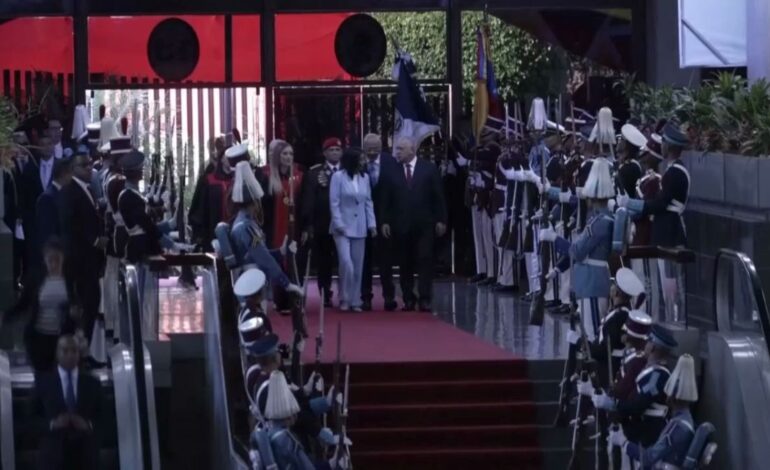

In a significant step toward reconciliation, Venezuela’s government released 17 political prisoners on Saturday from a detention center in Caracas, according to National Assembly President Jorge Rodriguez. The move comes as lawmakers continue negotiations over a historic amnesty bill that could reshape the country’s approach to dissent.
“Under the Amnesty Law, 17 people deprived of their liberty in Zona 7 are being released at this moment,” Rodriguez wrote on social media. He called on Venezuelans to “continue this path of peace for the construction of democratic coexistence.” The names of those released were not immediately made public.
A Law Years in the Making
The amnesty legislation, if enacted, would cover charges brought against dissidents who opposed the rule of ousted leader Nicolas Maduro and his predecessor Hugo Chavez over the past 27 years. The bill addresses offenses including “treason,” “terrorism,” and spreading “hate”—charges widely used to imprison government critics during decades of state repression.
Lawmakers had been expected to adopt the bill on Thursday after approving it on first reading last week. However, the vote was postponed after disagreements emerged over a provision requiring beneficiaries to appear in court to request amnesty. Debate is scheduled to resume on February 19.
A Changed Political Landscape
The amnesty push represents a sharp departure from the policies of the Maduro era. Maduro was captured by US special forces in a January 3 raid on Caracas, an operation that dramatically altered Venezuela’s political landscape. Acting President Delcy Rodriguez, sister of the parliamentary leader, assumed power with US backing on condition she implement reforms aligned with Washington’s priorities.
The Trump administration has since taken control of Venezuela’s oil sales and pressed for the release of political prisoners. The pressure appears to be yielding results, though the pace of change has frustrated some opposition supporters who demonstrated in Caracas ahead of the amnesty debate demanding immediate freedom for all detainees.
Counting the Cost
According to Foro Penal, an NGO that advocates for Venezuelan inmates, 431 political prisoners have received conditional release, while 644 remain behind bars. Saturday’s release adds 17 to the former tally, but the latter figure underscores the scale of what remains to be done.
The amnesty legislation, if ultimately approved, could see hundreds of activists still in detention walk free. But the parliamentary delay highlights the delicate negotiations required to navigate between pro-government and opposition factions still deeply divided after decades of conflict.
A Fragile Path Forward
For the families of those still detained, each release brings hope that their loved ones may be next. For a country emerging from years of state-sponsored repression, the amnesty debate represents an opportunity to define what comes next.
Parliament chief Rodriguez’s call to “continue this path of peace for the construction of democratic coexistence” captures the stakes. The releases are happening. The question is whether the political will to complete the process can survive the inevitable disagreements along the way.
Saturday’s 17 freed prisoners are now outside the walls of Zona 7. Hundreds more wait inside, hoping their turn will come.
Also Read:
New Italy Migration Law Allows Naval Blockades on Migrant Ships
36 Dead and Thousands Homeless After Cyclone Gezani Hits Madagascar