

Vatican Distances Itself from Trump’s ‘Board of Peace’: What It Means
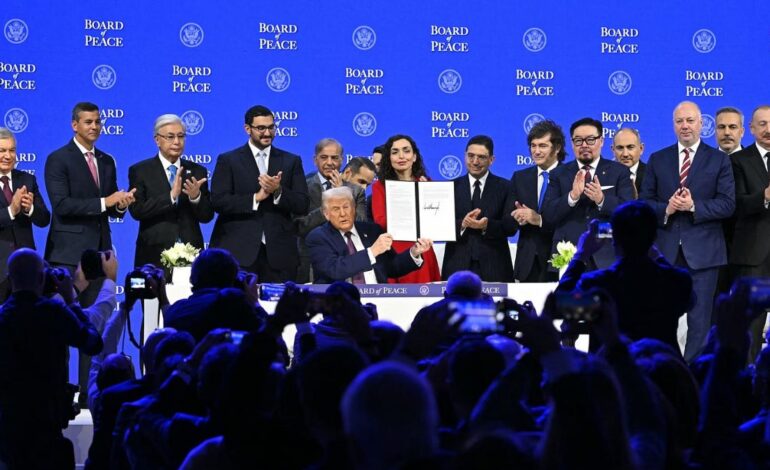

The Vatican has made clear it will not participate in President Donald Trump’s “Board of Peace” initiative, delivering a significant diplomatic rebuke to a project the US leader has championed as a mechanism for resolving global conflicts.
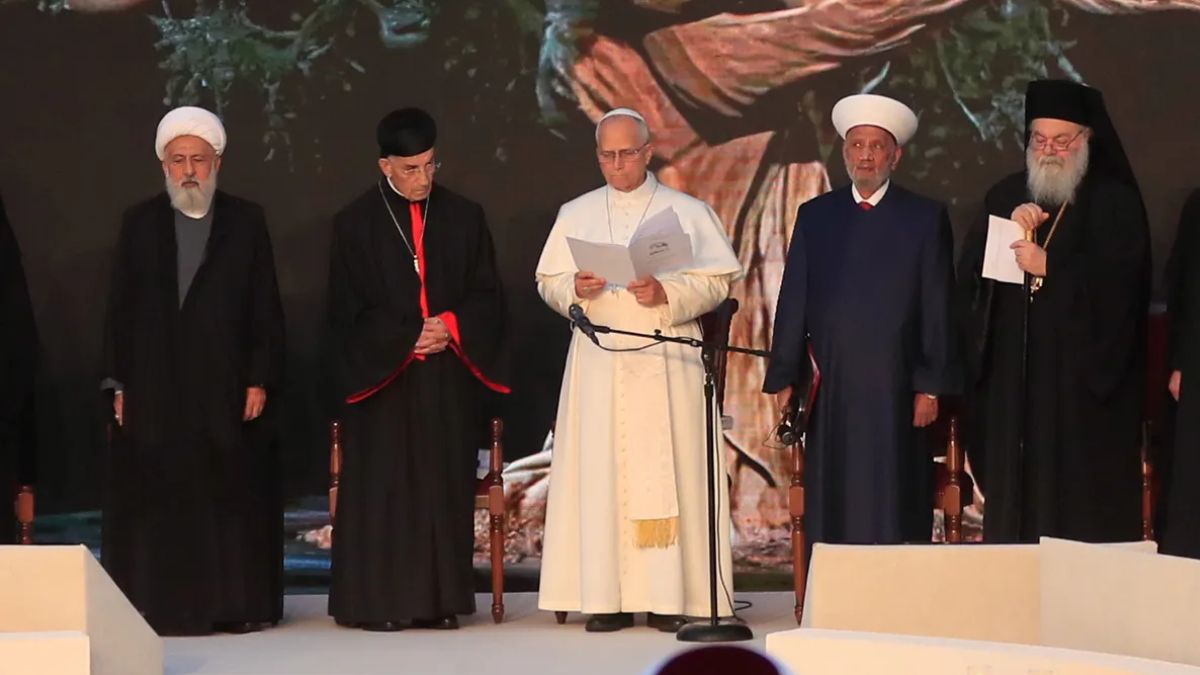
Cardinal Pietro Parolin, the Vatican’s top diplomatic official, announced the decision on Tuesday, explaining that the Holy See’s refusal stems from both its unique international status and its conviction that crisis situations should be handled through the United Nations.
“The Holy See will not participate in the Board of Peace because of its particular nature, which is evidently not that of other States,” Parolin said. He added: “One concern is that at the international level it should above all be the UN that manages these crisis situations. This is one of the points on which we have insisted.”
The Board and Its Purpose
Trump’s board was initially conceived as part of his Gaza plan, intended to supervise the territory’s temporary governance following the fragile October ceasefire. But Trump has since signaled broader ambitions, stating that the board—with himself as chair—would be expanded to tackle global conflicts beyond Gaza.
The board holds its first meeting Thursday in Washington, focused on Gaza’s reconstruction. Italy and the European Union have said their representatives will attend as observers, signaling interest without formal membership. Some Middle Eastern allies have joined, but Western allies have so far stayed away.
Why the Vatican’s Refusal Matters
Pope Leo, the first American pope and a critic of some Trump policies, was invited to join the board in January. His decision to decline, communicated through his diplomatic representative, carries weight beyond the immediate issue.
The Vatican maintains an extensive diplomatic service and holds permanent observer status at the United Nations. It rarely joins international boards, preferring to work through established multilateral channels. Parolin’s reference to the UN as the appropriate forum for crisis management reflects a consistent Vatican position: that international legitimacy flows from broadly accepted institutions, not ad hoc arrangements.
Criticism and Concerns
The board has faced criticism on multiple fronts. Human rights experts have noted the unusual nature of a foreign leader overseeing a board to supervise another territory’s affairs, with some drawing comparisons to colonial structures. Others have pointed to the absence of a Palestinian representative as a fundamental flaw in any body claiming to address Gaza’s future.
Countries have reacted cautiously to Trump’s invitations. The divide between Middle Eastern allies who have joined and Western allies who have not suggests that even friendly governments harbor reservations about the board’s mandate, composition, and relationship to existing international frameworks.
The Gaza Context
The board’s first meeting focuses on Gaza, where the humanitarian situation remains dire. The October ceasefire has been repeatedly violated, with hundreds of Palestinians and four Israeli soldiers reported killed since it took effect. Israel’s assault has killed over 72,000 Palestinians, caused widespread hunger, and displaced Gaza’s entire population.
Multiple rights experts, scholars, and a UN inquiry have concluded that Israel’s actions amount to genocide. Israel rejects this characterization, framing its operations as self-defense following the Hamas-led attack of October 7, 2023, which killed 1,200 people and resulted in over 250 hostages.
Pope Leo has repeatedly decried conditions in Gaza, adding moral weight to the Vatican’s stance.
What the Distance Means
The Vatican’s refusal to join the Board of Peace is not merely a diplomatic slight. It reflects a fundamental disagreement about how international conflicts should be addressed. By invoking the UN and expressing concern about the board’s “particular nature,” the Vatican signals that peace efforts should be rooted in broadly accepted institutions, not personalized initiatives.
For Trump, the Vatican’s distance adds to a pattern of cautious international response. For the board itself, the absence of the Holy See—a moral voice with global reach—diminishes its claim to represent diverse perspectives.
And for Gaza, where the board’s first meeting will unfold, the underlying reality remains unchanged: a population devastated by war, a ceasefire barely holding, and a future that no board, however constituted, has yet been able to secure.
Also Read:
US Steps In as Moscow and Kyiv Meet for Peace Discussions
Nigeria Political Tensions Rise After Detention of Government Critic