

US–Venezuela Tensions Rise as Trump Issues Strong Warning to Maduro
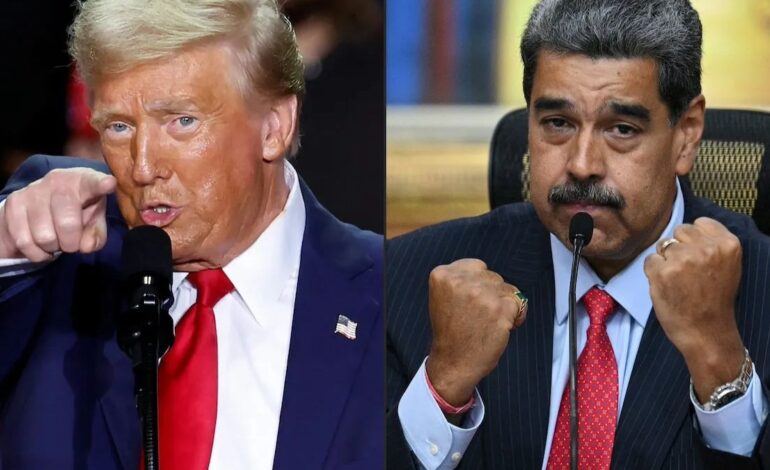

The holiday season has brought no respite to the escalating tensions in the Caribbean. From his vacation in West Palm Beach, President Donald Trump issued a stark new warning to Venezuelan President Nicolás Maduro on Monday, signaling a readiness to intensify a pressure campaign that has evolved from targeting drug trafficking to a broader confrontation.
“If he wants to do something, if he plays tough, it’ll be the last time he’ll ever be able to play tough,” Trump declared, flanked by top national security aides. His words coincided with a tangible military escalation: for a second day, the U.S. Coast Guard, with Navy support, pursued a sanctioned oil tanker it accuses Venezuela of using to evade sanctions. This vessel, part of what the administration calls a “dark fleet,” is allegedly flying a false flag and is under a U.S. judicial seizure order.
“It’s moving along and we’ll end up getting it,” Trump stated confidently. This chase marks the third such interdiction in recent weeks. On Saturday, the Coast Guard seized the Panama-flagged tanker Centuries, and on December 10, it captured the tanker Skipper. The administration describes these actions as a necessary “blockade” to enforce sanctions and cripple the Maduro government’s vital oil revenue.
The rationale has broadened. Last week, Trump demanded the return of assets seized from U.S. oil companies years ago, further justifying the naval operations. Homeland Security Secretary Kristi Noem framed the tanker seizures as a global message: “the illegal activity that Maduro is participating in cannot stand.”
A Grim Assessment from Moscow
The rising temperature has prompted significant moves from one of Venezuela’s key allies. According to a European intelligence official, Russia’s Foreign Ministry has begun evacuating the families of its diplomats from Caracas, assessing the situation in “very grim tones.” While Russia denied evacuating the embassy itself, the reported move suggests concern over a potential flashpoint. Venezuelan Foreign Minister Yván Gil, after a call with Russian counterpart Sergey Lavrov, condemned the U.S. actions as “aggressions and flagrant violations of international law” and “acts of piracy.”
Life Amidst the Shadow Fleet
While military and diplomatic maneuvers play out offshore, the human and economic reality in Venezuela persists. At the El Palito refinery, a tanker identified as part of the shadow fleet sat anchored this weekend as families visited the nearby beach. For locals like Manuel Salazar, 68, the scene is a quiet testament to decline. He recalls when the bay was filled with nine or ten tankers, a symbol of a thriving oil industry. Now, only one sits idle. “Things are expensive,” he observed. “Food prices keep going up and up every day.”
Venezuela Responds with Law
In Caracas, the government-controlled National Assembly took initial steps to legally push back. It advanced a bill that would criminalize promoting, financing, or supporting acts like blockades or piracy against entities working with Venezuela, prescribing prison terms of up to 20 years.
A Broader, Lethal Campaign
This naval pressure exists alongside a longer-running, lethal campaign. The Defense Department continues strikes on vessels it alleges are smuggling drugs, resulting in at least 104 deaths since early September. These operations have drawn scrutiny from lawmakers and human rights advocates, who question the evidence behind the targets and warn of extrajudicial killings.
The situation presents a volatile tableau: a pursued shadow fleet on the high seas, evacuated diplomatic families, a local economy straining under sanctions, and a U.S. administration vowing to tighten the vise. Trump’s warning from Florida is clear, but the path ahead remains fraught, holding the potential for miscalculation as much as for enforced compliance. The waters of the Caribbean are growing more treacherous by the day.
Also Read:
Big Changes in American Diplomacy Raise Questions About Policy Direction
Japan Prepares to Restart the World’s Biggest Nuclear Plant After 15 Years