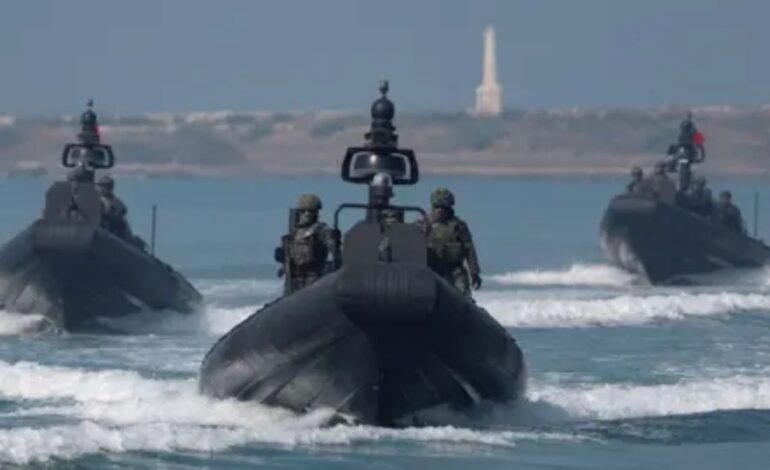
The waters of the Taiwan Strait are churning again, not just with naval vessels and fighter jets, but with the familiar, tense rhetoric of a geopolitical fault line. This week, China’s military launched major drills, simulating a blockade of Taiwan’s main ports with a formidable display of missiles, ships, and aircraft. The response from Washington was swift and pointed, labeling the actions as an unnecessary spike in tensions. This exchange is more than a diplomatic tit-for-tat; it’s the latest scene in a long-running drama where miscalculation carries immense risk.
The U.S. Position: A Call for Restraint
The U.S. State Department’s statement was clear in its framing. By calling the exercises “unnecessarily” provocative, Washington seeks to place the onus for stability squarely on Beijing. The core American position rests on two pillars: support for “peace and stability across the Taiwan Strait” and opposition to “unilateral changes to the status quo, including by force or coercion.” This language is deliberately crafted. It does not endorse Taiwanese independence, but it firmly rejects any attempt to resolve the dispute through military might. The recent approval of a substantial arms package for Taiwan, though sure to anger Beijing, is presented within this decades-old framework of supporting the island’s self-defense capabilities.
Beijing’s View: Sovereignty and “Legitimate” Rights
From Beijing’s perspective, the narrative is fundamentally different. China views Taiwan not as a separate entity but as an inalienable part of its territory—a province that has yet to be reunified. Within this logic, military exercises in what it considers its own territorial waters and airspace are a “legitimate” right. The drills are framed not as aggression, but as a necessary response to “separatist” activities and foreign interference, a clear reference to U.S. arms sales and political support for Taipei. The warning for other countries to “stop stirring up trouble” underscores Beijing’s view that the U.S. is the primary actor destabilizing the situation by encouraging Taiwan’s government.
Also Read:
Severe Winter Weather Alert: Snow and Strong Winds to Hit Great Lakes and Northeast
Legal Setback for White House as US Judge Blocks Plan to End South Sudan Migrant Protections