


US Reduces Tariffs After India Signals Move Away From Russian Oil
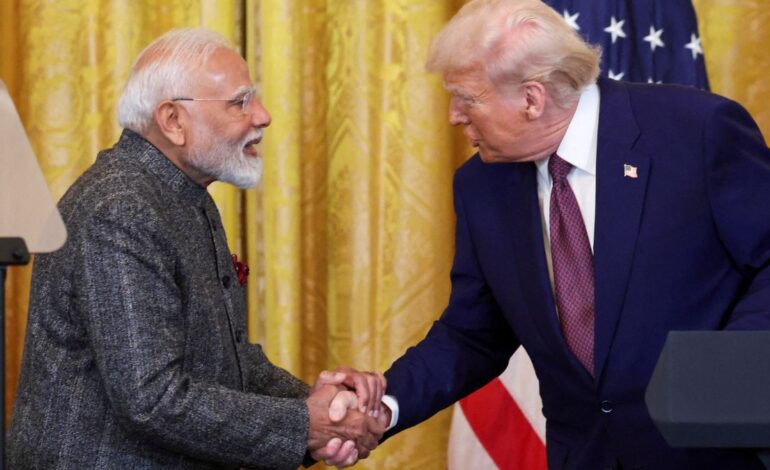

In a swift reversal of a punishing trade war, the United States and India have announced a new trade agreement. The breakthrough came after a call between President Donald Trump and Prime Minister Narendra Modi, signaling a temporary truce in a months-long economic standoff that had placed heavy tariffs on a majority of Indian exports.
But this agreement is far from a simple return to normalcy. It is a strategic exchange with significant implications for India’s economic autonomy and global alliances.
The Terms of the Truce
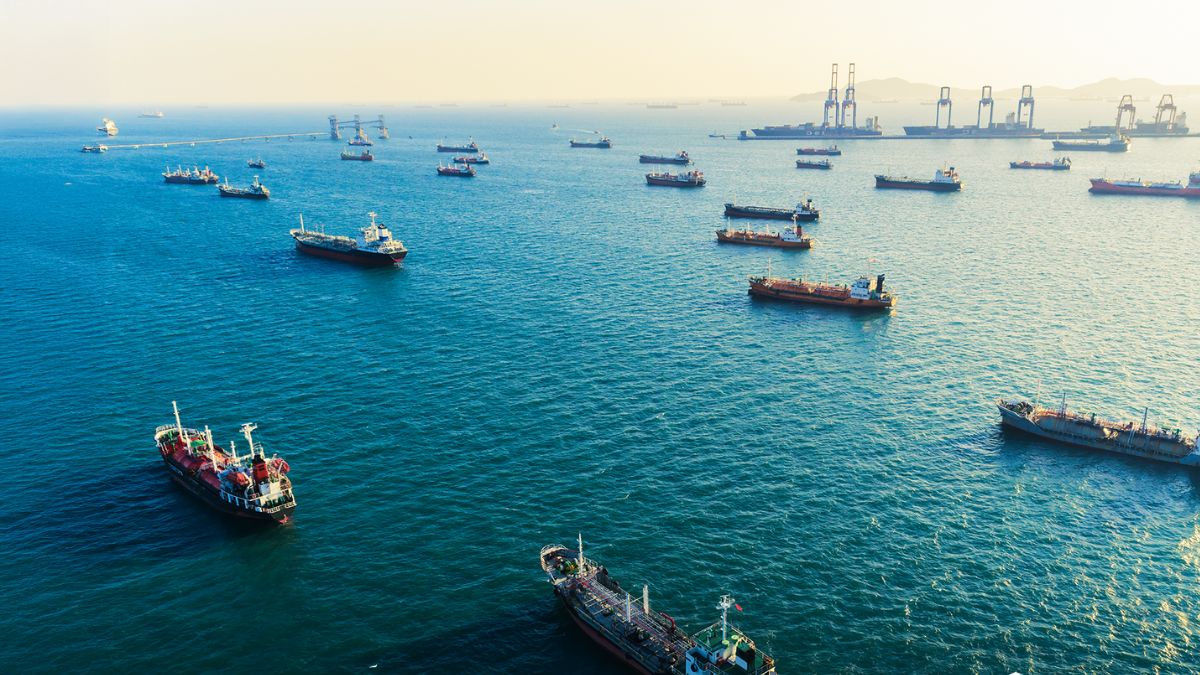
The core of the deal, as outlined by President Trump, hinges on a major geopolitical shift from India: an agreement to halt purchases of Russian oil. In return, the U.S. will immediately slash its tariffs on Indian goods from a punitive rate of about 50% down to 18%.
The concessions, however, appear lopsided. Trump also stated that India would reduce its own tariffs and non-tariff barriers on American goods to “ZERO,” committing to purchase over $500 billion worth of U.S. energy, technology, agricultural, and other products.
Prime Minister Modi’s public confirmation was more reserved, highlighting the reduced U.S. tariffs on “Made in India” products without explicitly acknowledging the conditions on Russian oil or the sweeping promises on U.S. imports.
Short-Term Relief vs. Long-Term Risk
For Indian exporters—particularly in textiles, gems, jewelry, and marine products—this deal offers crucial short-term relief. It prevents a forced and costly exit from the vital U.S. market. As analyst Anisree Suresh notes, it is a welcome step that avoids a devastating immediate transition cost.
However, experts warn against viewing this as a stable, long-term foundation. The agreement is “limited in scope and subject to reversal,” heavily influenced by the “unpredictability of the Trump administration.” It does not resemble the comprehensive free trade agreements India has signed with partners like the EU.
The Hidden Costs for India
The potential downsides for India are substantial:
- Economic Vulnerability: Granting zero-tariff access to U.S. goods could flood the Indian market, particularly affecting domestic agriculture and manufacturing. As economist Arun Kumar points out, while exports may rise, “the internal economy may actually suffer.”
- Geopolitical Repercussions: Abruptly abandoning its long-standing energy partnership with Russia carries a profound strategic cost. It could damage India’s credibility as a stable, independent partner within the BRICS alliance (Brazil, Russia, India, China, South Africa). Kumar argues this weakens the forum and plays into a U.S. strategy to “divide nations and deal with them individually.”
- A Loss of Strategic Autonomy: The deal is widely seen as India bending to U.S. pressure, which could affect its negotiating power and relationships with other nations in the future.
The Bigger Picture
This agreement is not just about trade balances; it’s a move on the global chessboard. By leveraging economic pressure, the U.S. has successfully pulled a major non-aligned power away from a key Russian economic lifeline, simultaneously opening a massive new market for American exports.
For India, the deal is a pragmatic but painful calculation. It trades immediate economic relief and access to the U.S. market for a significant piece of its strategic autonomy and a decades-old, reliable partnership. The relief for exporters is real, but the long-term price—measured in geopolitical trust and domestic economic resilience—may be steep. The agreement secures India’s place in the U.S. market for now, but at the cost of making its economic and foreign policy more susceptible to Washington’s demands.
Also Read:
US Envoy Witkoff Set to Meet Israeli Leaders During Israel Visit
British Killer Known as Suffolk Strangler Pleads Guilty in Cold Case