


How the US-Mexico Partnership Is Intensifying the Hunt for El Mencho

The death of Nemesio Oseguera, the elusive leader of Mexico’s Jalisco New Generation Cartel, marks a major victory in the war on drug trafficking—and a testament to deepening security cooperation between the United States and Mexico.
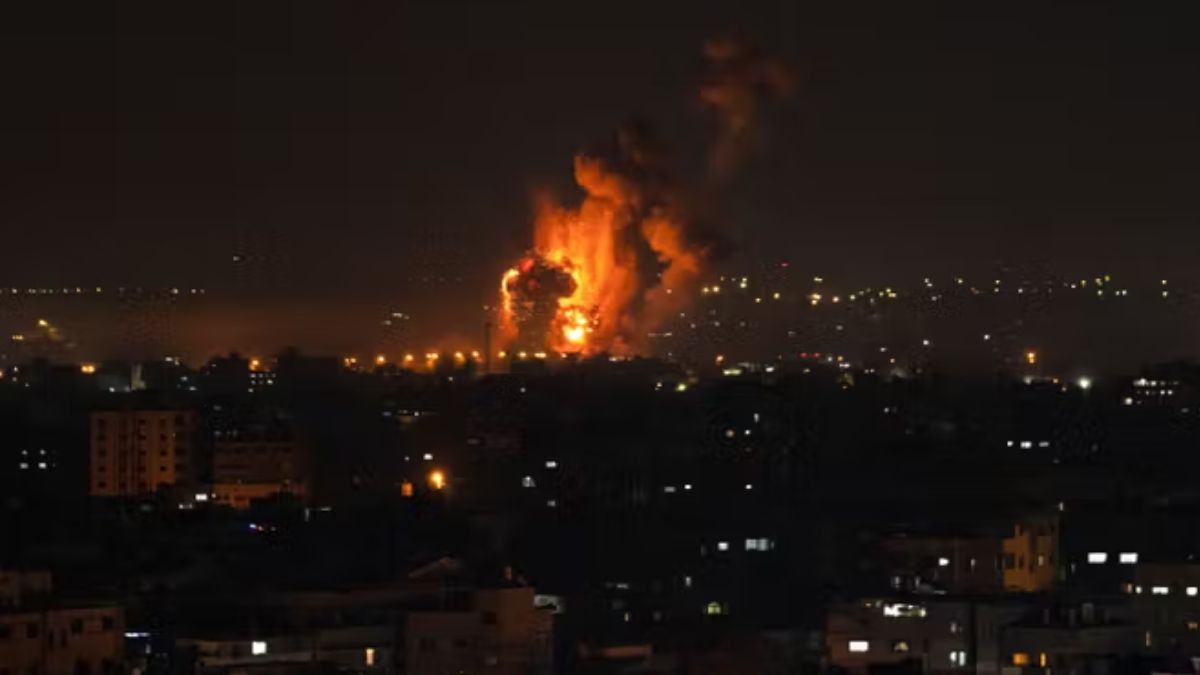
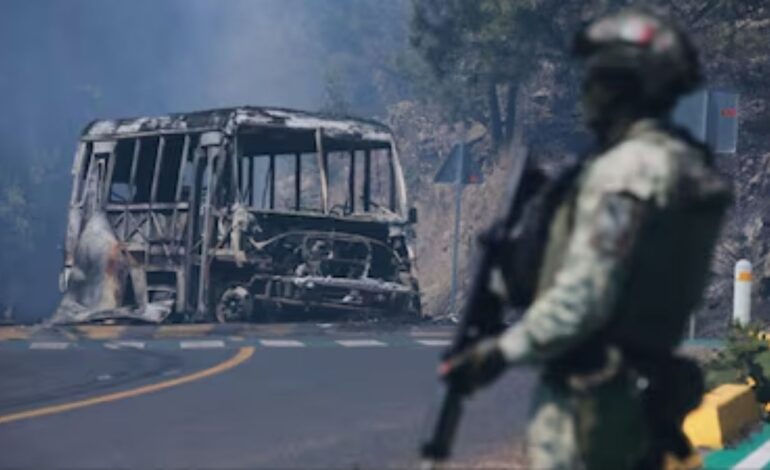
Known as “El Mencho,” the 60-year-old kingpin was killed Sunday during a Mexican military operation in the western state of Jalisco. The raid, designed to capture one of the world’s most wanted men, set off a wave of violence across half a dozen states, with torched cars and gunmen blocking highways. But behind the chaos lay a sophisticated intelligence effort that bridged the border.
A New Kind of Task Force
The operation was supported by a newly formed US military-led task force specializing in intelligence collection on drug cartels. The Joint Interagency Task Force-Counter Cartel, formally launched last month, involves multiple US government agencies working to map the networks of cartel members on both sides of the US-Mexico border.
A US defense official, speaking anonymously, confirmed the task force’s role but stressed that the raid itself was a Mexican military operation. A former US official added that Washington compiled a detailed target package for El Mencho and provided it to Mexican authorities, incorporating information from US law enforcement and intelligence agencies.
Mexico’s defense ministry acknowledged that US authorities had provided “complementary information” but offered no details. A Mexican government source familiar with the operation emphasized that Mexican forces designed and executed it, with no US military personnel physically involved.
El Mencho: A Shadowy Target
An ex-police officer, Oseguera led the CJNG, an international criminal enterprise widely viewed as one of Mexico’s most powerful cartels. He evaded arrest for years despite a $15 million US bounty for information leading to his capture. His death removes a figure who oversaw the smuggling of billions of dollars in cocaine and fentanyl into the United States.
Terrorist Designation Unlocks New Tools
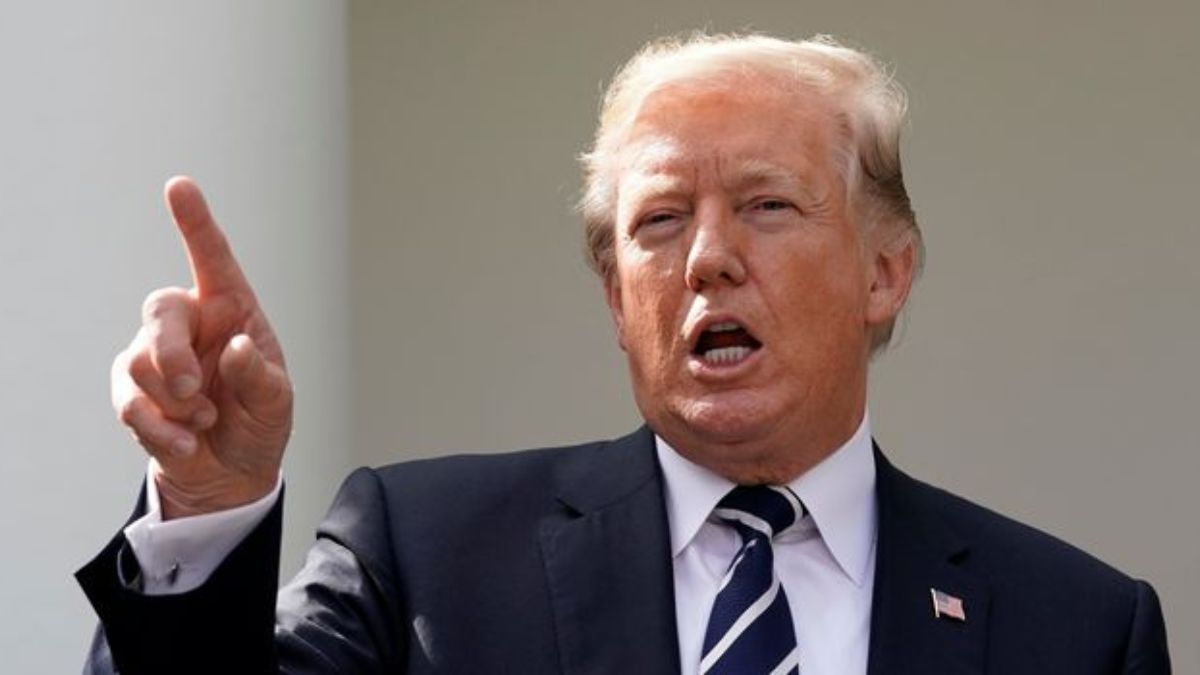
President Trump’s designation of Mexican cartels as terrorist organizations last year unlocked new forms of US military assistance, according to Jack Riley, a former senior Drug Enforcement Administration official. That includes intelligence, surveillance, and reconnaissance resources that can be brought to bear on cartel operations.
“Our surveillance capabilities are going to be probably unlimited, and that will really help with real-time stuff,” Riley told Reuters. He acknowledged the challenge: “But these guys are extremely astute at being able to cover their tracks, cover who’s in charge and where those people are.”
Mapping Cartel Networks
US Brig. Gen. Maurizio Calabrese, who leads the Joint Interagency Task Force-Counter Cartel, described how the US military is applying experience battling groups like Al-Qaeda and Islamic State to understand cartel operations.
“The cartels operate differently than Al-Qaeda or Daesh, different motivations, which makes it even more important for us to identify entire networks so that we can disrupt and dismantle them,” Calabrese told Reuters.
He noted that while core cartel members number perhaps a few hundred, “you have anywhere from 200,000 to 250,000 independent contractors that will help you move these drugs.”
Broader Strategy
The task force is part of a broader US strategy that has seen the military take increasing operational control of the border with Mexico. It also includes now-regular strikes on suspected drug boats in Caribbean and Pacific waters—actions whose legality has been challenged by Democratic lawmakers and legal experts.
A second US defense official explained the logic: “The whole idea of creating an interagency effort is to not have stray voltage, is to bring it all together, synchronize it.”
What It Means
El Mencho’s death is a significant blow to the CJNG and a validation of intensified US-Mexico cooperation. But it also raises questions: Will the cartel fragment or reorganize under new leadership? Will the violence that followed the operation subside or escalate? And can the partnership that made this operation possible be sustained?
For the Trump administration, the operation demonstrates the effectiveness of its pressure campaign on Mexican President Claudia Sheinbaum’s government. For Mexico, it shows the benefits of cooperation—and the risks of the cartels’ retaliation.
For the thousands of independent contractors Calabrese described, the message is clear: the network is being mapped, and those at the top are increasingly within reach. El Mencho is gone. The hunt for the next target has already begun.
Also Read:
GCC’s Growing PPP Market: A Secure Opportunity for Long-Term Investors
What the New 10% Global Tariff Means for Businesses and Consumers