





Why the US Is Looking to Saudi Arabia for Strategic Mining Partnerships
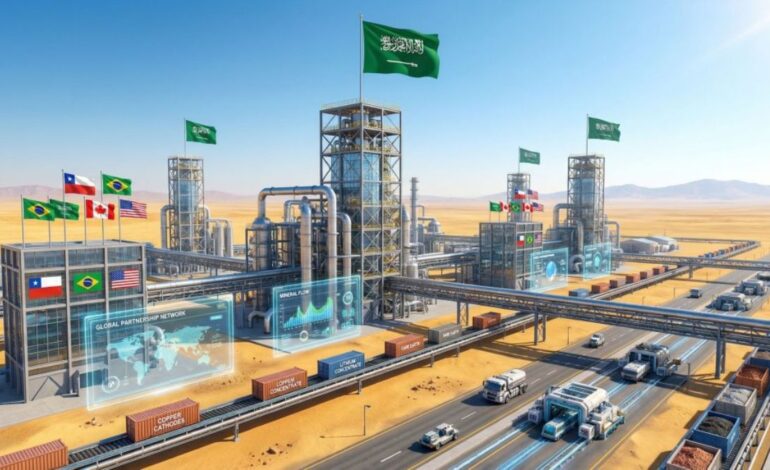

In the high-stakes race to secure the building blocks of the 21st-century economy—advanced batteries, renewable energy systems, and defense technologies—the United States is strategically deepening a pivotal partnership far beyond oil. The focus has shifted to the mineral-rich lands of Saudi Arabia, a nation now central to American plans for a resilient and diversified supply chain for critical minerals.
This strategic pivot was underscored at the recent Future Minerals Forum in Riyadh, where U.S. Assistant Secretary of Energy Audrey Robertson outlined a vision of robust collaboration. The foundation was laid during Crown Prince Mohammed bin Salman’s visit to Washington last November, with the two nations establishing a formal framework for cooperation in uranium, minerals, permanent magnets, and critical mineral supply chains.
A Partnership Forged by Necessity
The driving force behind this alliance is a clear and pressing vulnerability. As Robertson noted, the extraction, processing, and refining of materials like rare earth elements, graphite, and cobalt are dangerously concentrated in just a few countries. This concentration leaves global supply chains—and by extension, national security and economic stability—open to disruption.
The U.S.-Saudi Arabia Energy and Minerals Partnership is a direct response to this reality. “By collaborating with countries that possess vast mineral resources and aspire to develop them with American partners,” Robertson stated, “we are actively building a more secure, resilient, and diversified global market.”
From Framework to Fact: Deals on the Ground
This is not merely diplomatic talk. The partnership is already materializing through significant commercial investments:
- A joint venture between MP Materials and Ma’aden to establish a rare earth minerals refinery in the Kingdom.
- Albemarle, a lithium giant, exploring lithium processing development.
- Bechtel securing a major contract for Saudi Arabia’s largest gold mining project.
These ventures represent the core of the strategy: combining Saudi Arabia’s vast mineral resources and ambitious development goals with American capital, cutting-edge technology, and industrial expertise. The goal is to accelerate innovation, improve supply chain management, and enhance energy security for both nations.
A Symbiotic Vision for 2030 and Beyond
For Saudi Arabia, this collaboration is a powerful accelerant for its Vision 2030 goal of becoming a global hub for mineral processing. For the United States, it is a chance to foster a reliable, allied source of processed materials outside of existing concentrated supply chains.
Looking ahead, Robertson envisions the next decade moving from agreements to an integrated network of joint ventures, shared research, and interlinked supply chains. The emergence of new processing centers in Saudi Arabia could foster innovation and create a more balanced, competitive global market.
The Bigger Picture
This strategic mining partnership marks a new chapter in U.S.-Saudi relations. It transcends traditional energy diplomacy, binding the two economies together in the foundational materials that will power the future. In a world of intense geopolitical competition for resources, this alliance is a calculated move to secure national interests through mutual investment, shared technological advancement, and a commitment to building supply chains that can support global growth and stability. The message is clear: the road to a secure energy and technological future is being paved, in part, through a deepened partnership with Riyadh.
Also Read: