


Why the US Has Increased Airstrikes in Somalia
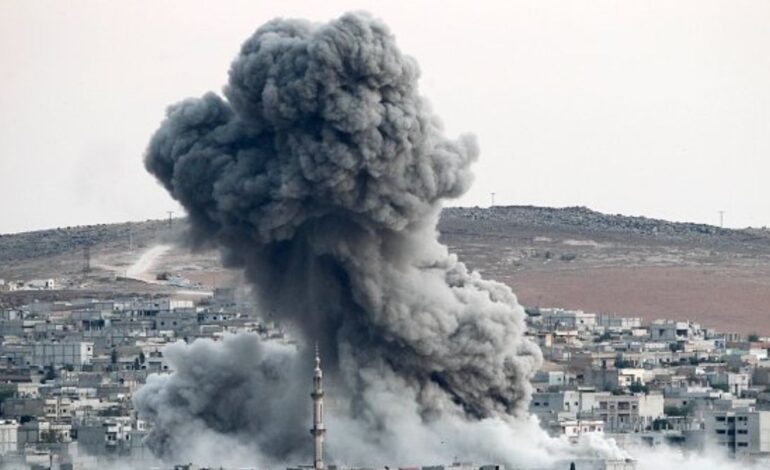

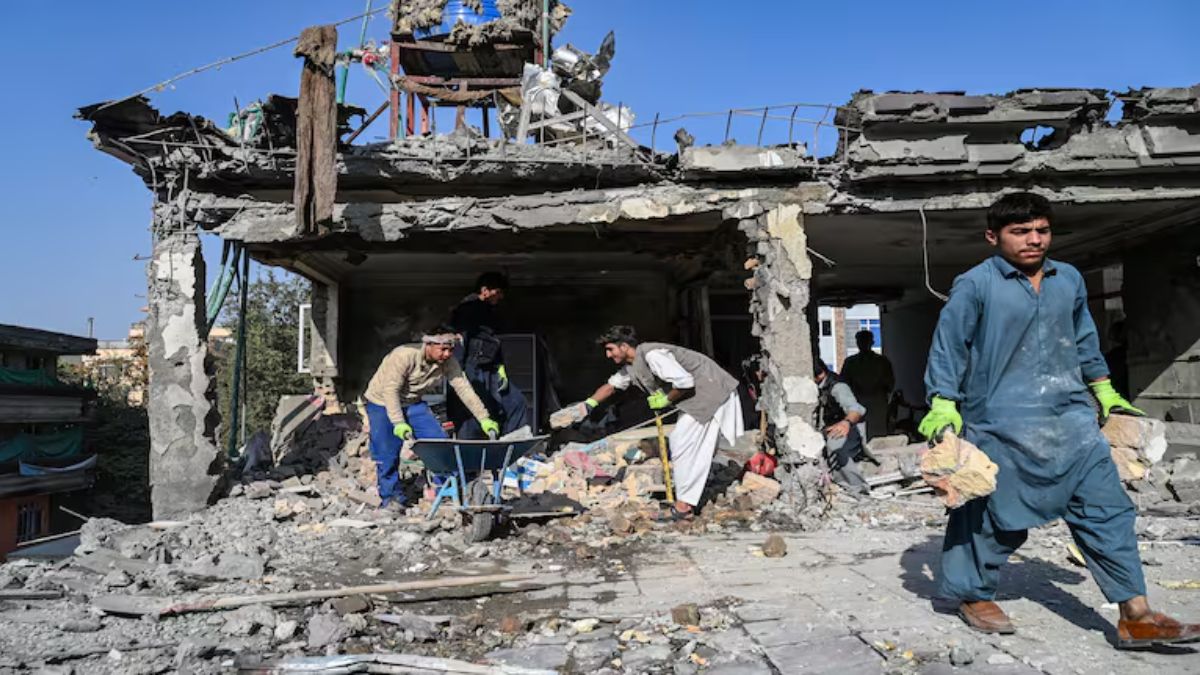
The rhythm of war in Somalia is increasingly marked by the sound of American aircraft. This year, the tempo has quickened. According to US Africa Command (AFRICOM), the United States has conducted 23 airstrikes in Somalia since January 1st. This surge isn’t an isolated event in the Horn of Africa; it’s a deliberate note in a broader, more aggressive symphony of counterterrorism operations unfolding across the continent.
For years, the US has targeted the militant groups Al-Shabab and the Daesh (ISIS) affiliate in Somalia, but the current pace signals a shift. The numbers tell part of the story: President Donald Trump’s administration dramatically escalated kinetic operations, authorizing over 200 strikes in four years—a sharp rise from the previous eight. The current administration is continuing, and in some ways accelerating, this posture.
But why the increased intensity now?
AFRICOM officials point to a continent-wide strategy. Lieutenant General John Brennan recently explained that the US has gotten “a lot more aggressive” in working with partners to “kinetically” target threats, “mainly Daesh.” The Christmas Day strikes in Nigeria against ISIS-linked targets are part of the same campaign. The connection, as framed by US commanders, is clear: “From Somalia to Nigeria, the problem set is connected.”
This suggests a strategic evolution. The goal appears to be dismantling transnational terrorist networks by applying simultaneous pressure across regions, preventing militants from finding safe haven in one area when squeezed in another. It’s a doctrine of interconnected engagement.
Crucially, this isn’t just about firing missiles. The stated core of the strategy is enabling local partners. This means increased intelligence sharing, like the pledge to Nigeria following the Christmas strikes, and providing equipment “with less restrictions” so that allied forces on the ground can be more effective. The airstrikes serve as a sharp, supporting tool for these broader partnership efforts, aiming to degrade command structures, logistics, and key personnel within Al-Shabab and ISIS-Somalia.
However, this escalation raises profound questions. While effective in the short-term tactical sense, each strike carries the risk of civilian casualties, which can fuel resentment and aid militant recruitment. The long-term success of this strategy hinges not just on military precision, but on the stability and legitimacy of the Somali government and its security forces. Airstrikes can disrupt, but they cannot build the governance or provide the alternatives needed to permanently undercut extremism.
The skies over Somalia are busier because the US has defined its counterterrorism mission there as more urgent, more connected to a wider African threat landscape, and more reliant on direct kinetic action to enable partners. It is a high-stakes approach, betting that increased pressure will fracture terrorist networks faster than their ability to adapt and regenerate. The outcome of this bet will determine the next chapter for Somalia’s long and troubled conflict.
Also Read:
Trump Responds to Minneapolis Shooting Criticism, Vows to ‘De-escalate’
Study Shows Nearly 2 Million Soldiers Killed or Injured in Ukraine Conflict