




US Health Agreements With African Nations Reflect Trump-Era Policies
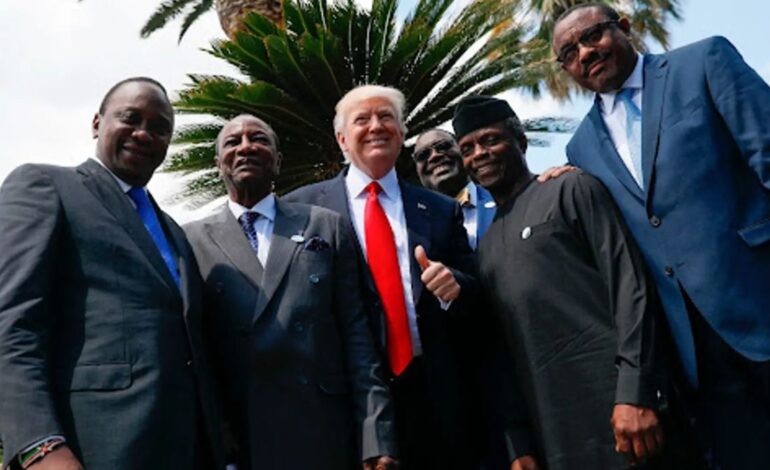

The landscape of American global health assistance is being redrawn. In a series of quiet signings, the United States has inked new health agreements with at least nine African nations, including Kenya, Nigeria, and Rwanda. These compacts represent more than just funding adjustments; they are the first fruits of a fundamentally reimagined approach, one that mirrors the Trump administration’s broader “America First” foreign policy and departs decisively from decades of precedent.
Gone is the traditional patchwork of aid administered largely through the now-dismantled United States Agency for International Development (USAID). In its place is a framework of direct government-to-government negotiation, where continued support is contingent on talks that intertwine health goals with other administrative priorities. The stated aim, as presented by the administration, is to foster national self-sufficiency and cut ideological waste. The effect, however, is a more transactional, politically conditioned form of partnership.
The numbers reveal a clear trend: a reduction in total U.S. health spending. According to the Center for Global Development, annual U.S. financial support under these new deals is down 49% compared to 2024 levels. Recipient nations are now expected to provide significant co-financing, shifting the dynamic from aid to a mutual investment—at least in theory.
The Nuances of the New Deals
A closer look at specific agreements reveals the complex priorities at play:
- Nigeria’s Faith-Based Focus: In a notable departure, the deal with Nigeria—a country with a slight Muslim majority—carries a “strong emphasis” on supporting Christian faith-based health providers. The State Department explicitly linked this to reforms protecting Christian populations from violence, framing health assistance within a specific religious and political context.
- A Lifeline for Some: For nations like Lesotho, Mozambique, and Eswatini, the agreements provide crucial, albeit reduced, funding to shore up HIV, malaria, and public health systems reeling from previous aid cuts. The compacts offer predictability, but with heavier domestic financing requirements.
- The Absence of South Africa: Conspicuously missing from the list is South Africa, a nation with one of the world’s highest HIV burdens. This follows deep disputes with the Trump administration, including over immigration and contentious claims about farm seizures. The loss of over $436 million in annual HIV support underscores the high stakes of political friction under this new model.
The Shadow of Broader Agreements
A particularly contentious aspect is the overlap between health signatories and countries that have separate agreements to accept third-country deportees from the United States, such as Rwanda, Uganda, and Eswatini. While State Department officials deny a direct quid pro quo, they acknowledge that “political considerations unrelated to health” may factor into negotiations. This perceived linkage casts a long shadow, suggesting health partnerships can be leveraged to advance unrelated immigration policy goals.
A Fundamental Departure
This new strategy marks a sharp turn from traditional U.S. health assistance, which supporters argued built long-term stability, alliances, and global security by combating pandemics at their source. The current approach prioritizes direct, bilateral transactions, measurable co-investment, and the explicit advancement of other foreign policy objectives.
The long-term impact on disease prevention and health system resilience in Africa remains uncertain. While the administration champions self-reliance, critics warn that sudden funding reductions and politically charged conditions could weaken fragile systems, reversing hard-won gains against HIV, malaria, and other threats.
These nine agreements are more than health compacts; they are diplomatic signals. They illustrate an administration willing to use health funding not just as a tool for development, but as an instrument of negotiated, transactional statecraft—a reflection of its overarching worldview, with consequences that will unfold in clinics and communities across the African continent.
Also Read:
Big Changes in American Diplomacy Raise Questions About Policy Direction
Japan Prepares to Restart the World’s Biggest Nuclear Plant After 15 Years