






US Farmers Face Rising Fertilizer Costs Amid Iran War Tensions
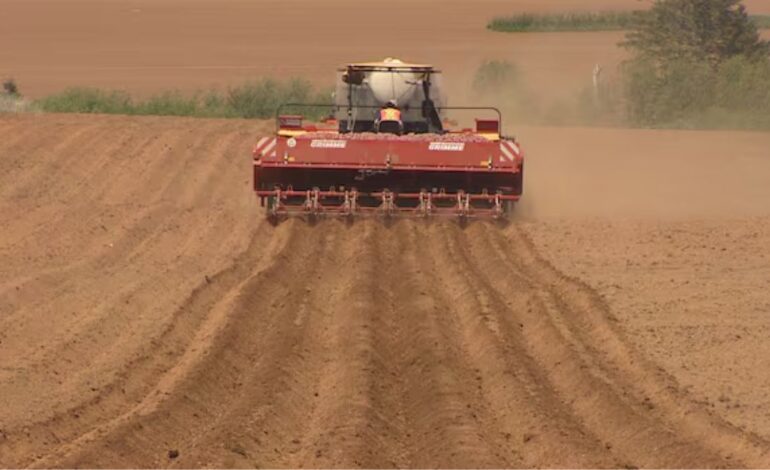

Tennessee farmer Todd Littleton braces for a $100,000 fertilizer bill this spring — a 40 percent increase from last year — as the war between the US, Israel, and Iran disrupts global supply chains and squeezes farm finances already strained by years of losses.
Littleton is far from alone. Thousands of American farmers face steep price hikes for nitrogen-based fertilizer essential to corn crops that feed livestock and power vehicles across the country. The problem stems from disruptions to shipping through the Strait of Hormuz, a critical waterway carrying 20 percent of the world’s oil and natural gas.
About 15 percent of US fertilizer imports come from the Middle East, with roughly half the global supply of urea and 30 percent of ammonia originating in the region. When shipping slowed following the February 28 attacks, ports raised nitrogen prices, directly affecting farmers’ costs.
“We have had a couple of record losses the last couple years, so everyone’s kinda grabbing at straws anyway, and then to have input prices increase yet again, just really couldn’t happen at a worse time,” Littleton said.
The crisis runs deeper than current prices. Many farmers who haven’t pre-ordered fertilizer may not obtain any at all this spring, warned Zippy Duvall, president of the American Farm Bureau Federation. Warehouse stockpiles are insufficient to meet demand in coming months.
The fertilizer problem compounds existing pressures from the Ukraine-Russia war, which blocked raw materials and raised natural gas prices, and Chinese restrictions on phosphate exports. Even if the Iran conflict ended tomorrow, experts say prices won’t fall quickly. Shipments from the Middle East typically take 30 to 45 days to reach the Port of New Orleans, and supply chains require time to fully restart.
The Trump administration announced steps to ease costs, including increasing fertilizer imports from Venezuela, and provided $12 billion in one-time payments to help farmers offset losses. However, farm economists note the assistance falls short. The $44-per-acre payment pales against the estimated $900-per-acre production cost for average American farmers.
Higher fertilizer costs will squeeze farm profits but shouldn’t significantly increase grocery prices, since on-farm expenses represent only a small portion of supermarket food costs. Still, for farmers already operating on thin margins, the combination of rising input costs and unpredictable crop prices makes survival increasingly difficult.
Also Read:
Russia Claims Control of 12 Settlements in Ukraine Amid Ongoing Military Advances
Why Europeans Want Clear Answers on Trump’s Iran War Plan Before Sending Warships