


US Decision to Abstain at UN Ukraine Vote: What It Means for Global Politics

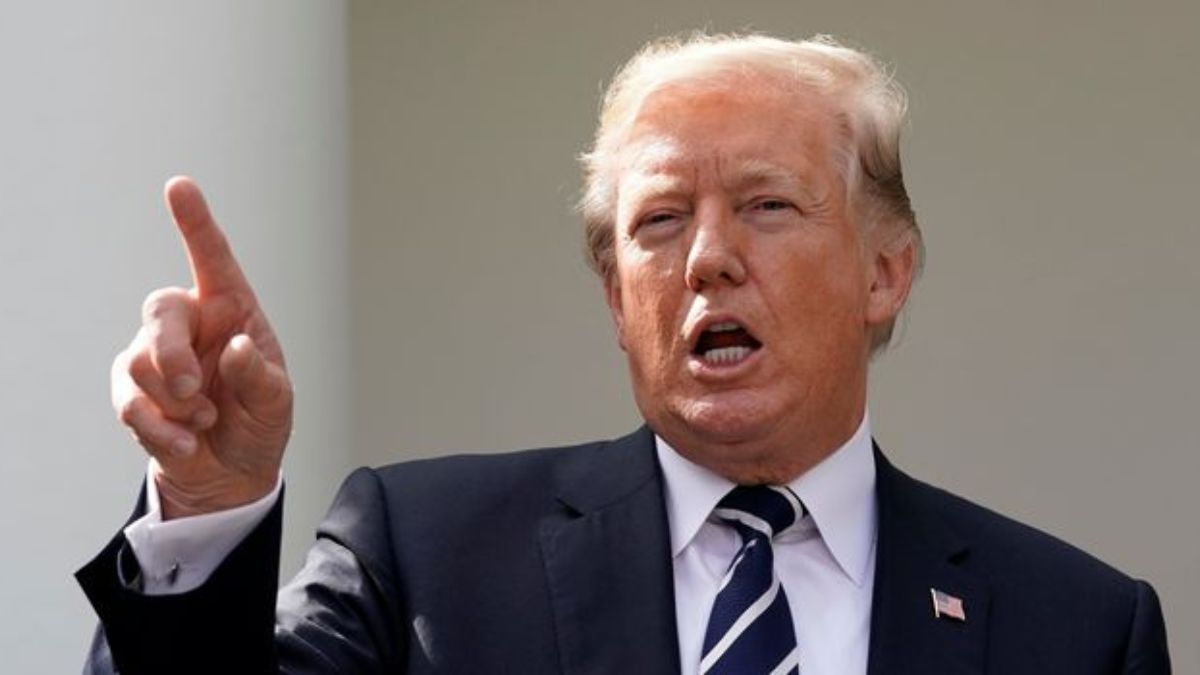
The United States abstained from a UN General Assembly vote on Tuesday that reaffirmed support for Ukraine’s territorial integrity on the fourth anniversary of Russia’s invasion—a decision that underscores the dramatic shift in American foreign policy since President Donald Trump returned to power.
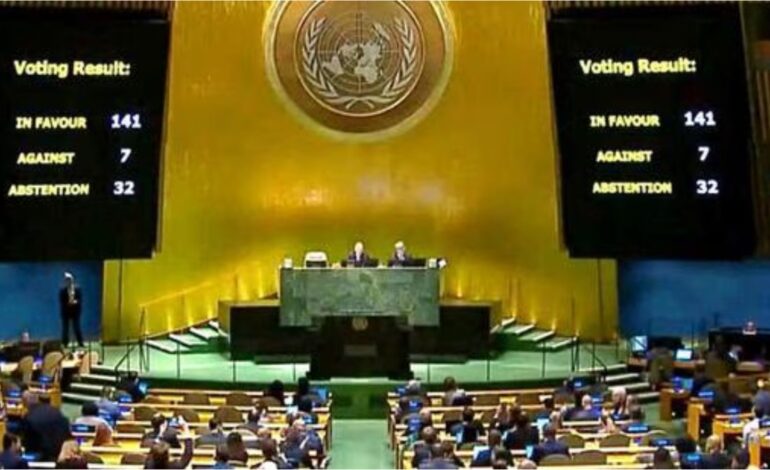
The resolution, which passed with 107 countries in favor, 12 against, and 51 abstentions, expressed commitment to “the sovereignty, independence, unity and territorial integrity of Ukraine within its internationally recognized borders.” It also called for an immediate ceasefire and a “comprehensive, just and lasting peace.”
The US Position
The US delegation had pressed for a separate vote on paragraphs involving Ukraine’s territorial integrity but was rebuffed. American deputy ambassador Tammy Bruce said Washington welcomed the appeal for a ceasefire but argued the resolution included language that could “distract” from diplomatic efforts rather than support them. She did not specify which words.
This abstention follows a pattern since Trump took office: firm, unconditional US support for Ukraine has cooled dramatically. Trump has brought Russian leader Vladimir Putin back into diplomatic engagement, and Washington has repeatedly refused to condemn the 2022 invasion.
A month after Trump’s return to power in January 2025, the US voted against a UN General Assembly resolution calling for a “just and lasting peace.” Later, it won Security Council passage of a Russian-backed resolution that called for peace but made no mention of Ukraine’s territorial integrity—a move that frustrated European allies.
The G7 Reaffirmation
Despite the abstention, leaders of the G7, including Trump, issued a statement Tuesday reaffirming their “unwavering support for Ukraine.” The mixed messaging—support from the G7, abstention at the UN—reflects the complexity of coalition politics and the Trump administration’s attempt to navigate between European allies and its own diplomatic instincts.
Ukraine’s Response
Ukraine’s Deputy Foreign Minister Mariana Betsa addressed the assembly, saying: “Despite peace efforts led by the US and supported by Europe, Russia continues to demonstrate no genuine willingness to stop this aggression.”
Russia’s deputy ambassador Anna Evstigneeva countered that Ukraine should focus on diplomacy “rather than initiating yet another politicized vote.”
In Washington, Ukraine’s Ambassador Olga Stefanishyna urged the Trump administration to intensify pressure on Russia. “We hope that the US government this particular day… will get to the understanding that the language which is understood by Russians is not the dialog or diplomatic effort, it’s the pressure,” she told reporters.
She expressed hope that US lawmakers would soon pass a bill imposing tariffs and secondary sanctions on countries doing business with Russia to choke its economy and war-financing ability. She also stressed Ukraine’s desperate need for air defenses as Russia intensifies attacks on civilians and critical infrastructure during a brutal winter.
What It Means for Global Politics
The US abstention signals several realities:
1. American policy has shifted. The days of unwavering support for Ukraine are over. The Trump administration views the conflict through a different lens than its predecessor, prioritizing diplomacy over condemnation and engagement over isolation.
2. European allies face new challenges. With the US less reliably in Ukraine’s corner, European nations must decide whether to fill the gap or adjust their own positions. The G7 statement suggests continued commitment, but without US leadership, sustaining that commitment will be harder.
3. Russia gains diplomatic space. The US abstention, following its earlier Security Council maneuver, gives Moscow room to argue that international consensus on Ukraine has fractured. Russia’s deputy ambassador made that case directly at the UN.
4. Ukraine must adapt. President Volodymyr Zelensky’s government now navigates a world where its strongest supporter is no longer unconditional. Ambassador Stefanishyna’s appeal for pressure rather than dialogue reflects Ukrainian recognition that persuasion must replace assumption.
5. The UN’s role remains constrained. The General Assembly can pass resolutions, but without Security Council action—blocked by Russia’s veto—those resolutions lack enforcement mechanisms. Tuesday’s vote affirms international sentiment but changes nothing on the ground.
The Bottom Line
Four years into Russia’s invasion, the war continues. Casualties mount. Infrastructure crumbles. Diplomacy stalls. And now, the United States—once Ukraine’s most powerful backer—has abstained from a resolution affirming its territorial integrity.
For Ukraine, the message is sobering. For Russia, it is encouraging. For Europe, it is a call to action. And for the world, it is a reminder that in geopolitics, alliances shift, policies change, and the only constant is the imperative to adapt.
The vote is over. The war is not.
Also Read:
Russia Targets Telegram Founder Pavel Durov in New Legal Case