

UN Assembly Urges Russia to Send Back Ukrainian Children
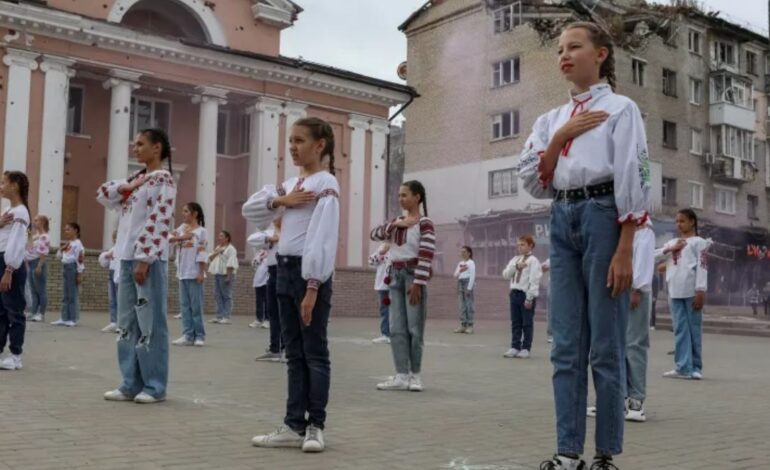

The halls of the United Nations echoed with a powerful, yet painful, demand this week. In a significant vote, the UN General Assembly called for the immediate and unconditional return of all Ukrainian children who have been forcibly transferred to Russia since the war began. The resolution, supported by 91 nations, places the international spotlight squarely on one of the conflict’s most heart-wrenching allegations.
Ukraine’s accusation is stark: that Russia has carried out the “largest state abduction operation in history,” with at least 20,000 children taken from their homes. Deputy Foreign Minister Mariana Betsa told the assembly that for Ukraine, there can be no just peace without their return. So far, the journey back has been difficult, with just over 1,850 children successfully repatriated.
The resolution goes beyond a simple call for return. It demands that Russia cease a range of practices, including the deportation of children, their separation from families, changes to their legal status—such as through forced adoption or citizenship grants—and any form of indoctrination. These actions, if proven, strike at the very core of a child’s identity and future.
Unsurprisingly, Russia rejected the measure outright. Its deputy UN envoy, Maria Zabolotskaya, dismissed the resolution as “full of mendacious accusations,” framing Russia’s actions as a protective measure for children removed from combat zones. She portrayed the vote as one for “lies, war, and confrontation,” rather than peace.
This diplomatic clash unfolds against a backdrop of stalled peace negotiations and continued fighting. While U.S. mediation efforts continue, with President Volodymyr Zelensky noting recent talks included these “extremely sensitive points,” the immediate fate of these children remains in limbo. As EU envoy Stavros Lambrinidis stated, “the abducted children of Ukraine cannot wait for the final outcome.”
The UN vote is a potent symbol of global concern, but it is not legally binding. Its power lies in political and moral pressure. This pressure is not new; in 2023, the Russian army was placed on a UN blacklist for violating children’s rights in conflict, and the International Criminal Court issued an arrest warrant for President Vladimir Putin, citing reasonable grounds to believe he bears responsibility for the war crime of unlawful deportation of children.
Each number in the vote tally represents a nation taking a stand on a fundamental issue of human dignity. The 91 votes in favor, the 12 against, and the 57 abstentions paint a map of global opinion on a tragedy that transcends politics—the welfare of children used as pawns in war. The world has now spoken with a clear, collective voice: it is time to bring them home.
Also Read:
Saudi Non-Oil Economy Maintains Robust Growth, PMI Signals Sustained Expansion