


Russia Says Ukraine Has Increased Daily Drone Attacks on Moscow
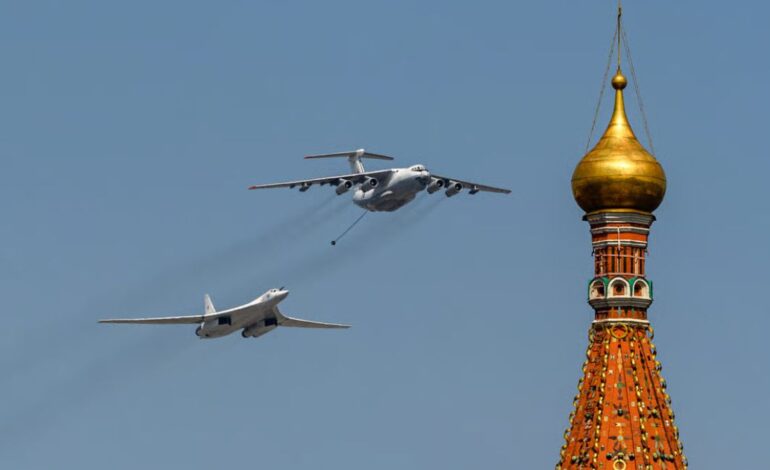

The dawn of 2026 has brought a stark new normal for the Russian capital. According to data released by Russia’s own Defense Ministry, Ukraine has targeted Moscow with drones every single day of the new year. This sustained campaign marks a significant shift from the previous, more sporadic pattern of strikes, which often coincided with symbolic dates or served as isolated signals. What was once an intermittent disruption is hardening into a routine pressure tactic.
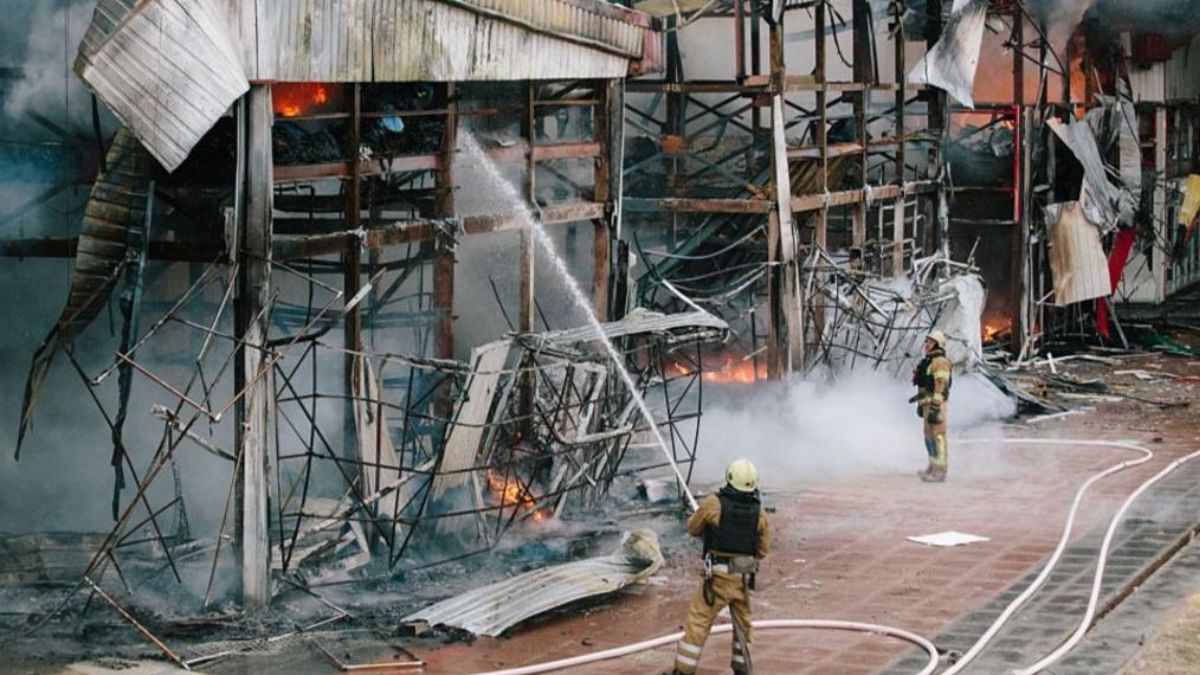
The ministry’s update, delivered via Telegram on Sunday, offered a snapshot of the scale. It claimed Russian air defenses destroyed 57 drones over the Moscow region alone, out of 437 reportedly intercepted across the country that day. While Kyiv has not immediately commented, its strategy has been clear for months: the use of long-range drones to strike deep inside Russian territory. Ukrainian officials state these attacks aim to disrupt military logistics, degrade energy infrastructure, and raise the cost of Russia’s war effort—a direct response to the relentless missile and drone barrages Ukraine has endured since the invasion began nearly four years ago.
The Impact Beyond the Interceptions
The consequences of this daily campaign extend beyond military tallies. The psychological impact on a capital once considered distant from the war’s front lines is palpable. Mayor Sergei Sobyanin has repeatedly reported interceptions, a steady drumbeat of alerts that underscores a persistent threat.
More tangibly, the disruptions are biting into daily life and the economy. Russia’s aviation watchdog, Rosaviatsiya, has been forced to order repeated temporary closures at Moscow’s airports and scores of others nationwide as a safety precaution. This disruption strikes at a particularly sensitive time: Russia’s extended New Year and Orthodox Christmas holiday, a period through January 9 when domestic travel and tourism traditionally peak. The constant threat is now a direct inhibitor of movement and commerce during a vital seasonal period.
The Fog of Claims and Calculations
As always, the public data requires careful interpretation. Russian authorities typically announce only the number of drones they claim to have downed, rarely disclosing how many were launched or detailing the full extent of any damage unless civilian casualties or significant property damage occur. This makes independent assessment of the campaign’s true effectiveness challenging.
State news agency RIA Novosti offered a broader calculation, claiming Russian defenses intercepted over 1,548 Ukrainian drones over Russian territory and occupied Crimea in the past week. Whether these figures are precise or not, they underscore the immense scale of the aerial campaign now unfolding.
A Strategic Shift in a Protracted War
The shift to near-daily attacks on the capital signals a strategic evolution in Ukraine’s long-range capabilities. It moves beyond symbolic retaliation to a sustained effort to impose a constant strain—militarily, economically, and psychologically—on the Russian homeland. This represents a new chapter in the conflict’s escalation, where the front lines are not only in the fields of Donbas but also in the skies over Russia’s political and logistical heart.
As the holiday lights dim in Moscow, the persistent buzz of drones and the echo of interceptions suggest that for Russia, the war in 2026 has come home with a new and relentless intensity. The question now is not if another attack will come, but what the cumulative effect of this daily pressure will be.
Also Read:
Trump Signals Military Response After Venezuela Raid Involving Colombia
Bangladesh Sends 750,000 Workers to Saudi Arabia, Sets New Record