



Trump’s Cuba Statement Sparks Debate After High-Level Talks in Havana
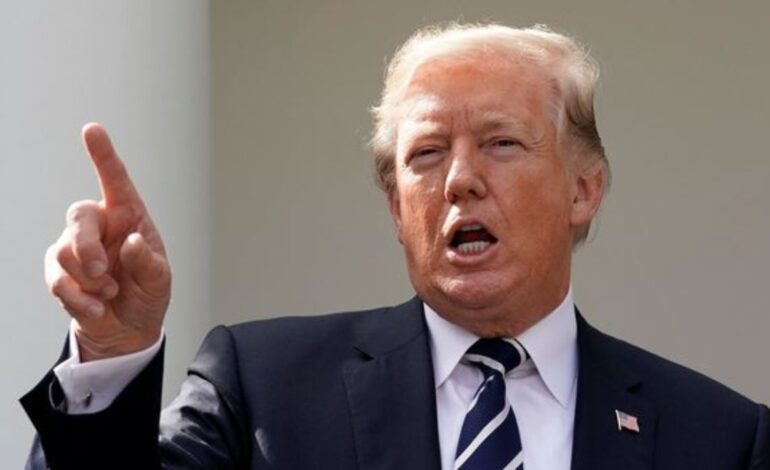

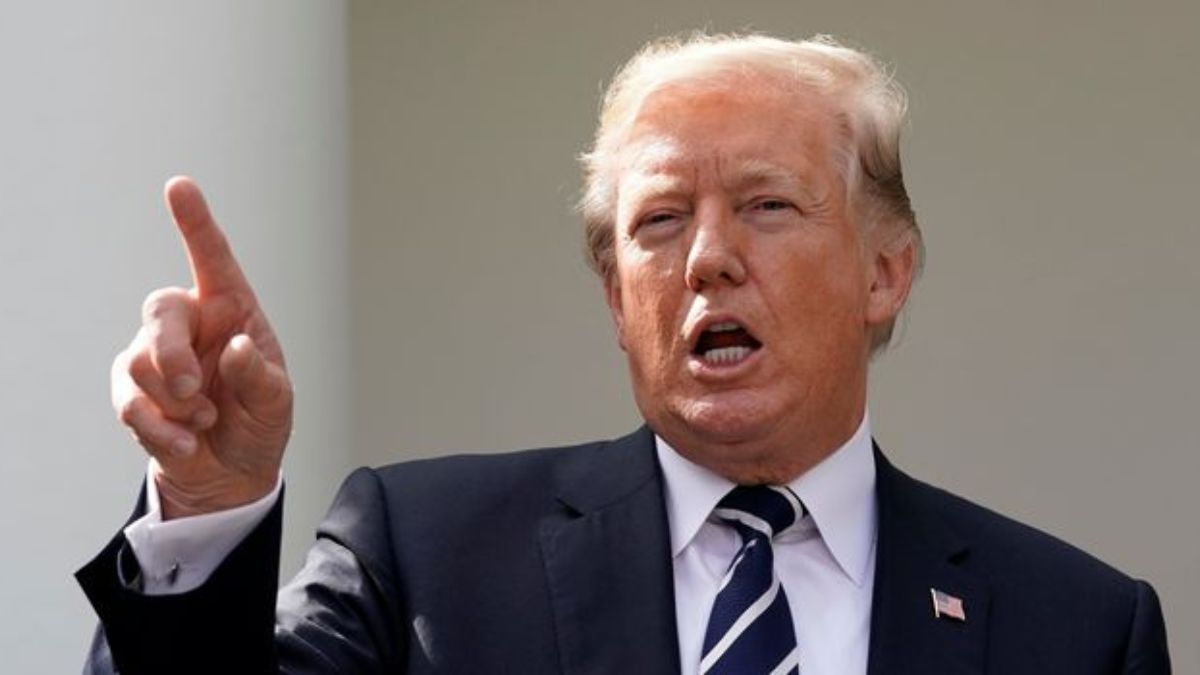
President Donald Trump raised eyebrows—and questions—Friday when he told reporters that the United States is in high-level talks with Cuba and raised the possibility of a “friendly takeover” of the island nation.
Speaking before a trip to Texas, Trump said Secretary of State Marco Rubio was in discussions with Cuban leaders “at a very high level.” He described Cuba as “a failed nation” with “no money” and “no anything right now.”
“The Cuban government is talking with us,” the president said. “Maybe we’ll have a friendly takeover of Cuba. We could very well end up having a friendly takeover of Cuba.”
Trump offered no details on what a “friendly takeover” might entail. The White House did not respond to requests for clarification.
The Context
Trump’s remarks come amid renewed US-Cuba engagement following decades of hostility. The US has maintained a strict trade embargo on Cuba since 1962, a year after the failed CIA-sponsored Bay of Pigs invasion. Relations have oscillated between confrontation and cautious engagement, but Trump’s language marks a departure from typical diplomatic framing.
The president’s comments followed a February 25 incident in which a Florida-registered speedboat carrying 10 armed Cubans from the US opened fire off Cuba’s north coast. Four of the armed Cubans were killed, and six injured in responding gunfire, according to Cuba’s government. One Cuban official also was injured. The US Department of Homeland Security and Coast Guard are investigating.
Strategic Shifts
Trump has focused on Cuba since at least January, when US forces ousted Venezuelan President Nicolás Maduro, one of Havana’s closest allies. In the aftermath, Trump suggested military action in Cuba might not be necessary because the island’s economy—deprived of Venezuelan oil shipments—could collapse on its own.
An executive order signed in late January threatened tariffs on countries providing oil to Cuba, though US authorities have since indicated that Venezuelan oil can be sold to Cuban interests in some cases.
Carlos Fernández de Cossío, Cuba’s deputy foreign minister, posted—then deleted—a response Friday, writing that “the US maintains its fuel embargo against Cuba in full force, and its impact as a form of collective punishment is unwavering.”
Domestic Pushback
More than 40 US civil society organizations sent a letter to Congress Friday asking it to “press the Trump administration to reverse its aggressive policy toward Cuba.” Signatories included the Alliance of Baptists, ActionAid USA, and the Presbyterian Church.
“Policies that deliberately impose hunger and mass hardship on millions of civilians constitute a form of collective punishment, and as such are a grave violation of international humanitarian law,” the letter read.
What It Means
Trump’s “friendly takeover” remark is ambiguous—intentionally or not. It could signal a push for regime change, an offer of economic assistance with political conditions, or simply rhetorical flourish. Without clarification, observers are left to speculate.
What is clear: high-level talks are underway. Cuba is in economic distress. And the US, after decades of embargo and intermittent engagement, is once again discussing the island’s future. Whether that leads to a “friendly takeover,” whatever that means, or simply more of the same remains to be seen.
Also Read:
Saudi Aramco Achieves Major Milestone in Gas Production Expansion Plan
How Saudi Electricity Company’s New Brand Identity Supports Saudi Energy Growth