


Trump Targets Iran’s Bridges and Power Grid: Rising Tensions Explained
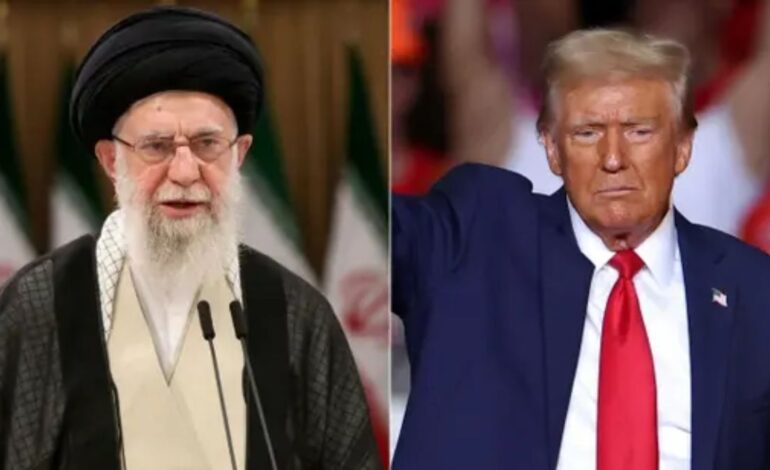

WASHINGTON — President Donald Trump warned late Thursday that the US military would next strike bridges and electric power plants in Iran, escalating his threats against the country’s civilian infrastructure.
“The US military hasn’t even started destroying what’s left in Iran. Bridges next, then Electric Power Plants,” Trump wrote on social media. He added that Iran’s leadership “knows what has to be done, and has to be done, FAST!”
The warning follows a televised address on Wednesday in which Trump said the war could intensify if Iran does not accept Washington’s terms, with strikes on energy and oil infrastructure possible. “We are going to hit them extremely hard over the next two to three weeks. We are going to bring them back to the Stone Ages, where they belong,” he said.
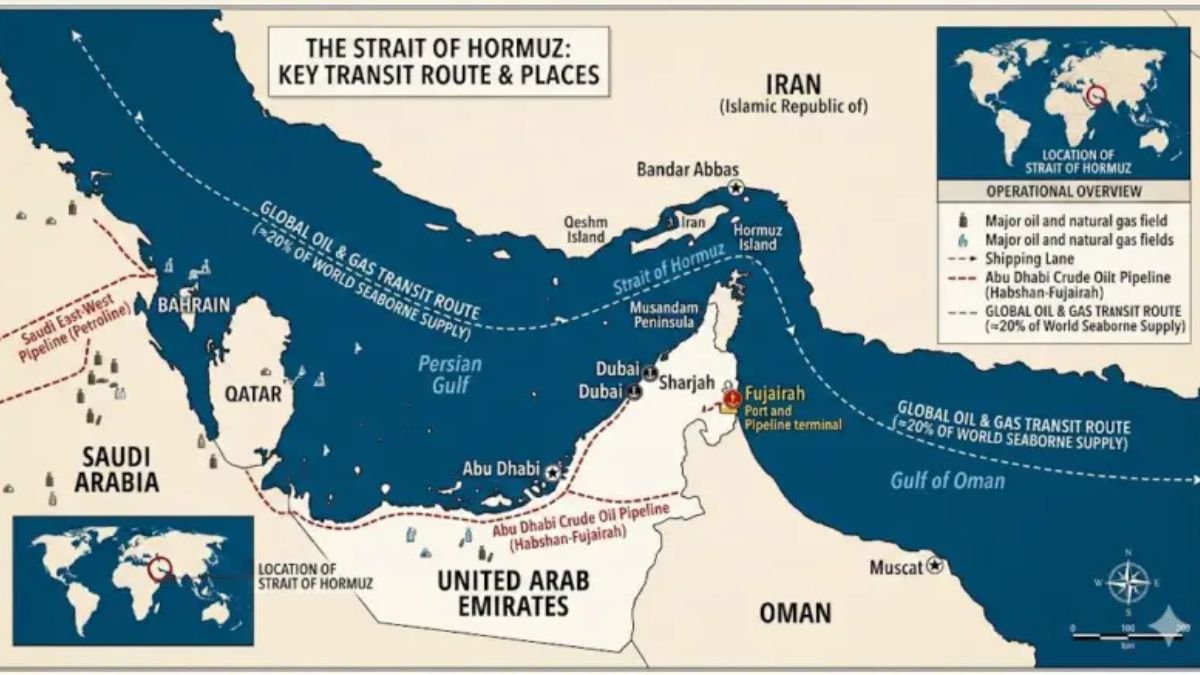
Iran’s Fars News Agency reported that several prominent bridges in regional countries could be potential targets after two strikes hit the B1 bridge early Thursday. The list reportedly includes bridges in Saudi Arabia, the United Arab Emirates, Jordan, and Kuwait.
Legal Concerns Over Civilian Infrastructure
The threats have drawn sharp concern from international law experts. Dozens of US-based legal scholars signed an open letter released Thursday stating that US strikes on Iranian infrastructure may amount to war crimes.
The 1949 Geneva Conventions, which govern humanitarian conduct in war, prohibit attacks on sites considered essential for civilians. The conventions and their additional protocols require that parties in a military conflict distinguish between “civilian objects and military objectives.” Attacks on civilian objects are forbidden.
Bridges and power plants, particularly those serving urban populations, fall squarely into the category of infrastructure that legal experts say must be protected unless they are being used for direct military purposes.
A War Without Clear End
The conflict began on February 28 when the United States and Israel launched attacks on Iran. Tehran responded with its own strikes on Israel and Gulf states hosting US bases. Joint US-Israeli operations in Iran, along with Israeli attacks in Lebanon, have killed thousands and displaced millions.
Trump has offered shifting timelines and objectives since the war began. While he claimed in his Wednesday address that Washington is nearing completion of its goals in Iran, he did not lay out a clear path to end the conflict.
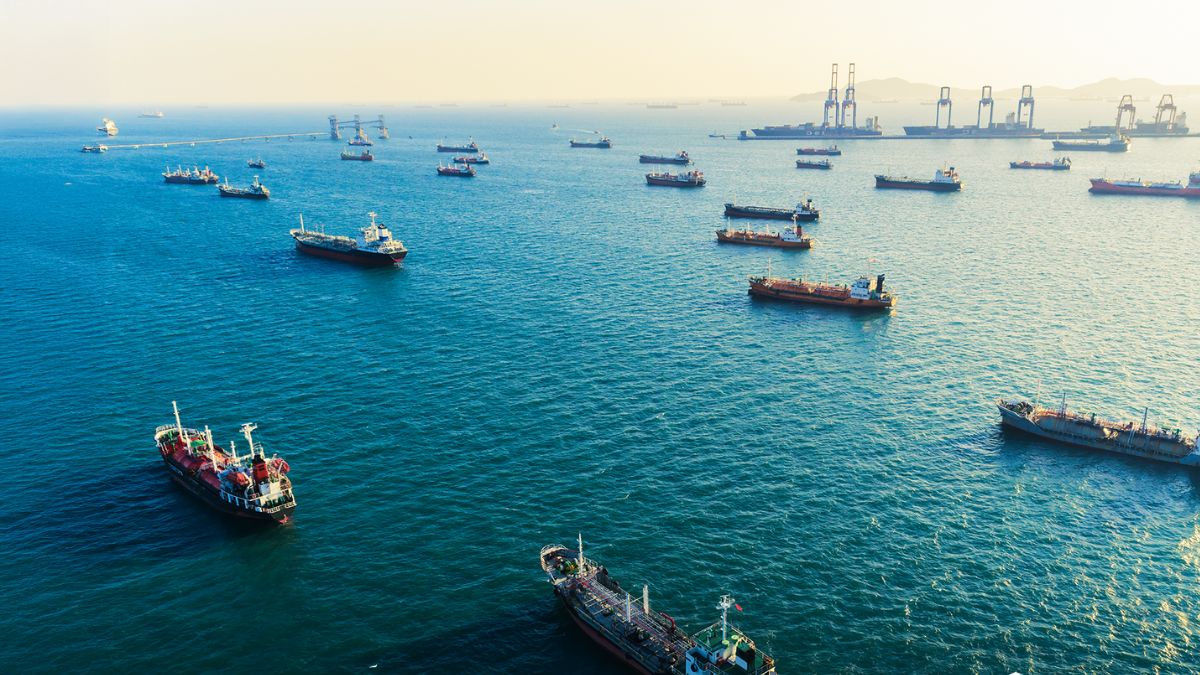
The war has driven up oil prices and shaken global markets. Trump’s mixed messages have done little to calm concerns about what is now the largest US military engagement since the 2003 invasion of Iraq.
Regional Fallout
The prospect of strikes on bridges in neighboring countries adds a new layer of danger. Any attack on infrastructure in Saudi Arabia, the UAE, Jordan, or Kuwait would dramatically widen the conflict and potentially fracture the coalition of Arab states that have supported US actions to varying degrees.
For now, the world watches as the threat moves from military targets to the basic utilities and transportation networks that millions of civilians depend on daily. Legal experts say crossing that line would carry serious consequences under international law, though enforcement mechanisms in active war zones remain limited.
Also Read:
Why Trump Says Iran Will Be Hit Hard in the Coming Weeks
Greece Storm Update: One Dead After Powerful Weather Front Strikes