


Trump Signals Military Response After Venezuela Raid Involving Colombia
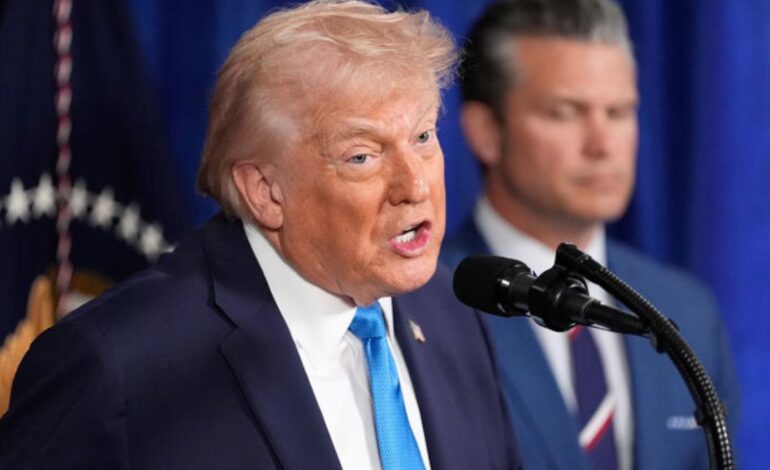

In a statement that marks a severe and destabilizing escalation in hemispheric relations, U.S. President Donald Trump has openly threatened military action against the sovereign nation of Colombia. Aboard Air Force One on Sunday, the president responded to a direct question about a potential U.S. military operation by stating, “It sounds good to me.”
His comments, framed within a barrage of personal insults, targeted Colombian President Gustavo Petro, whom Trump accused of being a “sick man” who “likes making cocaine and selling it to the United States.” This rhetoric dramatically heightens tensions following last week’s unprecedented capture of Venezuelan President Nicolás Maduro, who was seized in a raid and transported to New York to face criminal charges.
From Caracas to Bogotá: A Widening Crisis
The threat against Colombia appears to signal a deliberate expansion of the administration’s hardline approach in Latin America. The operation against Maduro, while controversial, targeted a leader long isolated by a significant portion of the international community. Threatening Colombia, however, represents a radical departure. Colombia is a formal treaty ally, a major non-NATO partner, and has been a cornerstone of U.S. policy in the region for decades, despite recent tensions over drug policy and environmental concerns under the Petro administration.
President Petro, a former leftist guerrilla, has pursued policies distinct from his U.S.-aligned predecessors, including re-establishing diplomatic ties with Venezuela and advocating for new approaches to the drug war that focus on rural development rather than solely on militarized eradication. Trump’s threats seem directly linked to this shift in philosophy.
The Implications of a “Sounds Good to Me” Foreign Policy
Casually floating a military intervention against a key regional partner introduces a profound level of uncertainty and risk.
- Erosion of Alliances: Trust with allied governments is built on consistency and mutual respect. Public threats of invasion from a partner nation shatter that foundation, potentially driving regional countries to seek other alliances for their security.
- Regional Instability: The entire Andean region, already grappling with the fallout from Maduro’s capture, now faces the specter of a potential U.S.-Colombia conflict. This could trigger a severe humanitarian and refugee crisis.
- Undermining Diplomatic Channels: Such rhetoric effectively discards decades of diplomatic, economic, and security cooperation, replacing it with the blunt instrument of military threat. It leaves no room for dialogue or negotiation on complex issues like drug trafficking and migration.
A Call for Calm and Strategic Clarity
The international community will likely view these statements with deep alarm. Responsible statecraft requires measured, strategic clarity, especially in matters of war and peace. Dismissively endorsing military action against an ally based on personal animus and broad accusations sets a dangerous precedent that extends far beyond the Western Hemisphere.
The path forward demands an immediate de-escalation of rhetoric and a return to established diplomatic and cooperative channels. The challenges posed by drug trafficking, corruption, and regional instability are real, but they are not solved with offhand threats of invasion. The coming days will reveal whether this was a momentary outburst or a signal of a terrifying new chapter in U.S.-Latin American relations. The world is watching, and the stakes for regional peace could not be higher.
Also Read:
Spain Emphasizes the Need for Gaza Reconstruction and Recovery