


Trump Predicts Quick War End, but Iran Insists It Will Decide the Outcome
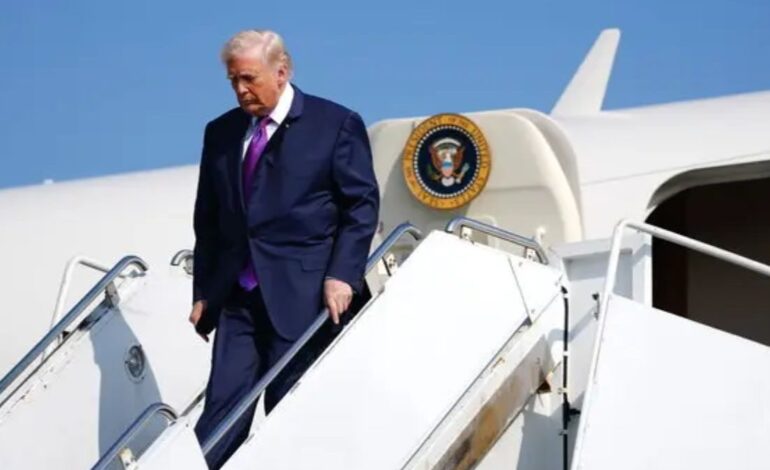

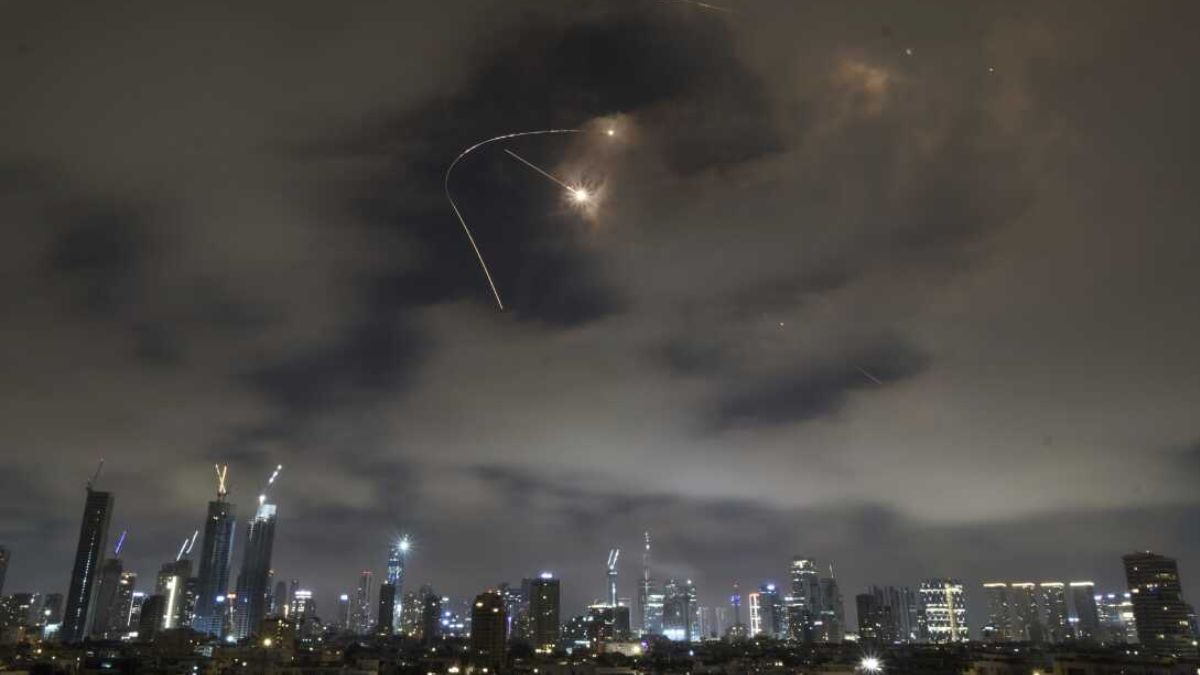
President Donald Trump predicted Monday that the war with Iran could end well before the initial four-week timeline, but Iran’s Revolutionary Guards immediately countered that only Tehran would determine when the conflict concludes. The conflicting statements sent global markets into turmoil.
Trump’s Optimistic Timeline
Trump said the United States has inflicted serious damage on Iran’s air force and navy. He predicted victory would come quickly, though he did not specify what victory would entail for American objectives.
The president did not provide details on how the conflict would end or what conditions Iran must meet. His comments came despite ongoing military operations across the region.
Trump’s Oil Blockade Warning
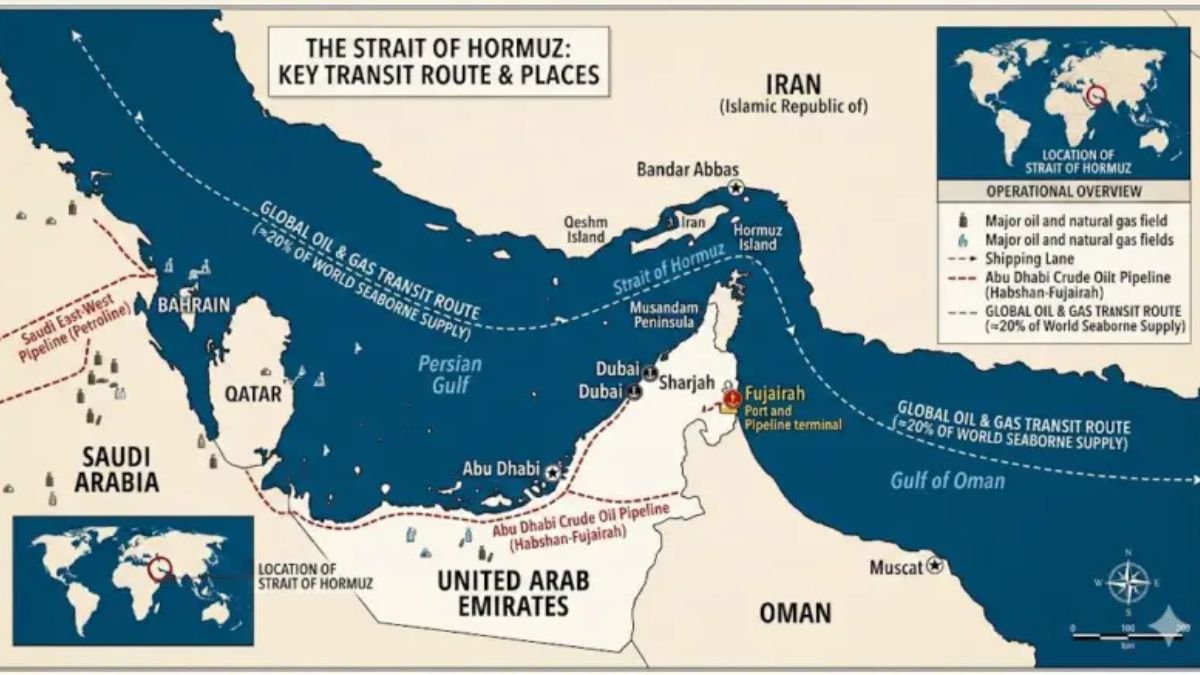
Trump warned Iran not to block the Strait of Hormuz, through which one-fifth of the world’s oil supply transits. He threatened massive escalation if oil shipments were disrupted.
“We will hit them so hard that it will not be possible for them or anybody else helping them to ever recover that section of the world,” Trump stated at a news conference. The threat signaled willingness to expand military operations.
Iran Refuses to Back Down
Iran’s Revolutionary Guards immediately rejected Trump’s optimism. A spokesperson said: “We are the ones who will determine the end of the war” and warned they would not allow “one liter of oil” to leave the region if attacks continue.
The defiant response indicated Iran’s determination to maintain control over conflict resolution. Tehran signaled no willingness to negotiate timelines or surrender.
Markets React to Uncertainty
Global financial markets swung sharply on the conflicting statements. Oil prices surged about 7 percent before falling in post-settlement trading after Trump’s quick-end prediction.
Stock markets nosedived initially due to war concerns, then recovered after Trump’s optimistic comments. The volatility reflected investor uncertainty about conflict duration and regional stability.
New Iranian Leader Consolidates Support
The succession of 56-year-old Mojtaba Khamenei as supreme leader shows hard-liners firmly in control. Iranian state media showed large crowds rallying behind the new leader in multiple cities.
The new leader’s appointment signals continuity in Iran’s resistance strategy. He faces Trump’s demand for Iran’s “unconditional surrender,” which Tehran rejected outright.
Oil and Gas Shocks Ripple Globally
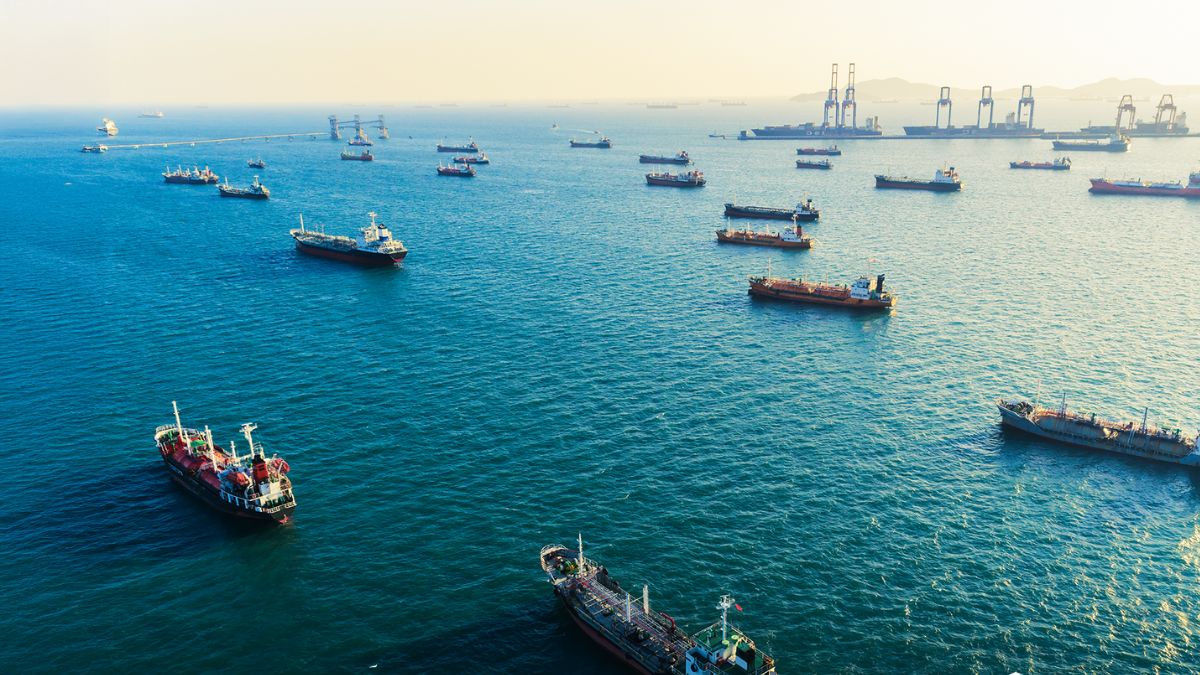
The Strait of Hormuz has effectively shut down, with tankers unable to sail for more than a week. Storage facilities are filling as producers halt pumping, forcing global energy price increases.
Brent crude futures surged to their highest price since 2022. A Reuters/Ipsos poll found 67 percent of Americans expect gas prices to rise, with only 29 percent approving the war.
Civilian Toll Mounts
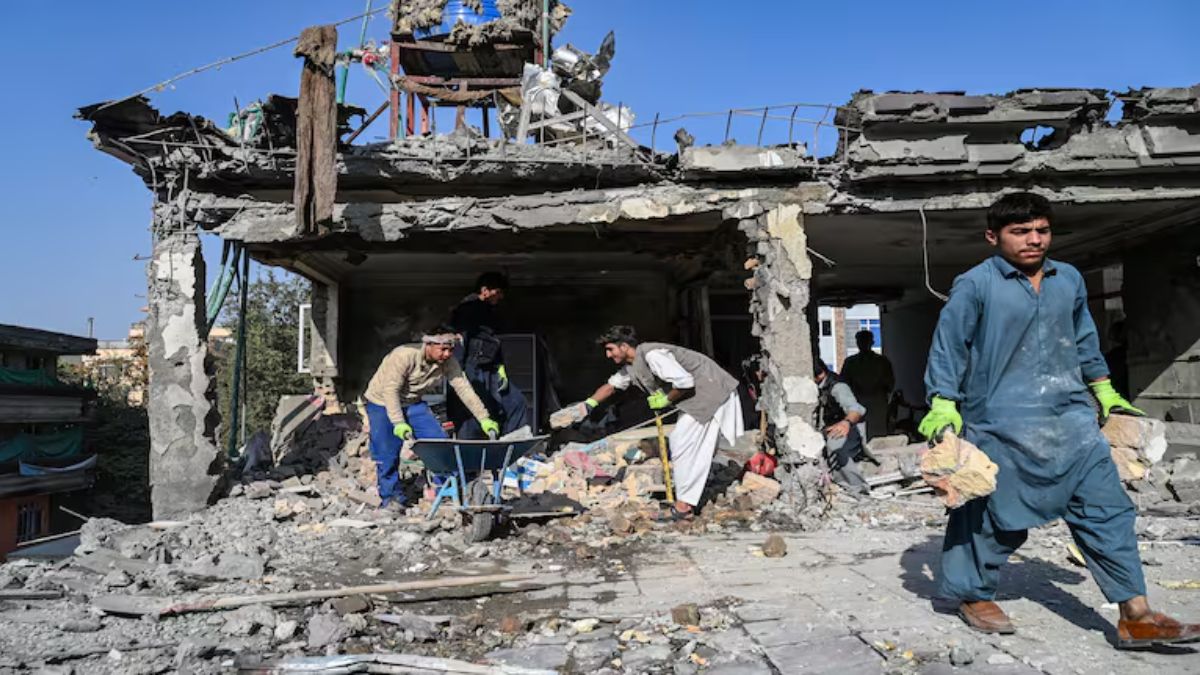
US-Israeli attacks have killed at least 1,332 Iranian civilians with thousands wounded, according to Iran’s UN ambassador. Lebanon has reported over 400 deaths with nearly 700,000 people displaced.
The humanitarian crisis expands as the conflict continues. WHO warned that refinery fires risk contaminating food, water, and air supplies.
Political Implications for America
Rising gasoline prices carry particular weight ahead of November midterm elections. Trump’s Republicans seek to maintain congressional control while voter approval for the war remains low at 29 percent.
Trump announced a possible easing of oil sanctions on some countries and a potential release from strategic reserves. These measures attempt to address inflation concerns before the elections.
Also Read:
Why Israel Responded with Strikes After Hezbollah’s Rocket Attack
What the New 10% Global Tariff Means for Businesses and Consumers