

Trump-Backed Candidate Takes Slim Lead in Honduras Presidential Race
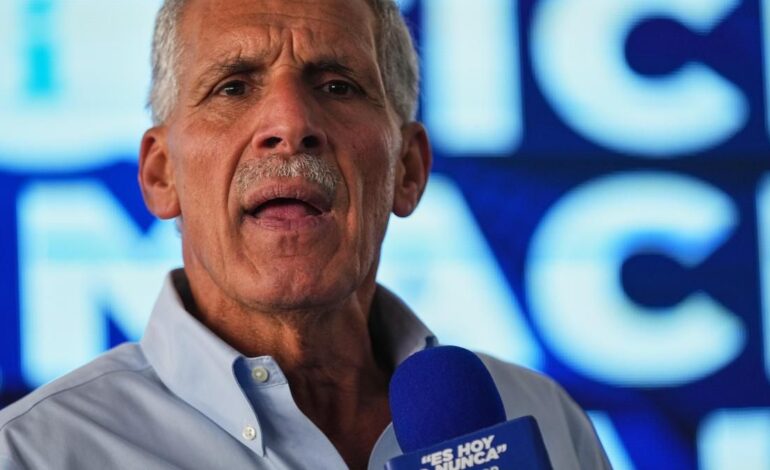

The presidential race in Honduras remains on a knife’s edge. Four days after the polls closed, a slow-moving vote count has seen right-wing businessman Nasry Asfura reclaim a narrow lead, though officials insist it is still too early to declare a winner.
With over 86 percent of ballots tallied by the National Electoral Council (CNE), Asfura—a candidate endorsed by former U.S. President Donald Trump—holds 40.24 percent of the vote. He leads television personality Salvador Nasralla, another conservative candidate, who trails closely with 39.41 percent. The CNE has faced sharp criticism after initially reporting a “technical tie” earlier this week, a move that drew direct fire from Trump.
CNE chief Ana Paola Hall has urged patience, emphasizing that the body is now processing records from remote areas that could not be transmitted electronically on election day. “Haste is sometimes the enemy of legitimacy,” Hall stated, while vowing the final result would “scrupulously respect the popular will.” In a country where some ballots arrive by donkey or boat, the full count could take days, with the CNE legally allowed up to a month to announce the official outcome.
The election has attracted intense international scrutiny, particularly from the United States. Trump, who has repeatedly questioned the integrity of electoral processes, accused Honduran authorities of “trying to change” the results and warned there would be “hell to pay” if they did. U.S. Deputy Secretary of State Christopher Landau echoed this sentiment on social media, stating that “democracy is on trial” and calling for transparency. “The world’s eyes, including ours, are on Honduras,” he added.
Trump’s active involvement reflects his growing engagement in Latin American politics. He has publicly endorsed Asfura as a “friend of freedom,” while dismissing Nasralla as pretending to be “anti-communist.” In a move perceived as political interference, Trump also recently granted a pardon to former Honduran President Juan Orlando Hernández—a member of Asfura’s National Party—who had been serving a 45-year prison sentence in the U.S. for drug trafficking.
Beyond the personalities and international pressure, the election represents a significant political shift. The clear defeat of the ruling leftists signals Honduras’s continued turn toward the right, a move likely to strengthen U.S. influence amid growing Chinese engagement in the region under the previous government.
For Hondurans, the stakes transcend geopolitics. The country remains one of Latin America’s poorest and most violent, with many citizens fleeing north to escape gang violence and economic hardship. The outcome of this election will shape the nation’s direction for years to come. As the count continues under a global spotlight, Honduras waits—hoping for a legitimate result that reflects the will of its people.
Also Read:
Inside Maduro’s ‘Respectful’ Call with Trump: What It Means for Future Ties