

Trump Administration Action Against Maduro Sparks Legal Debate
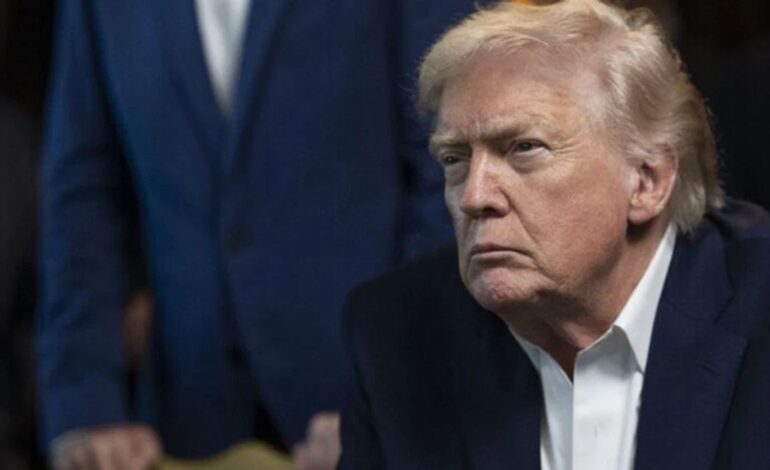

The scene outside a Manhattan courtroom this week was a stark symbol of a world teetering on the brink of a dangerous new chapter. Nicolás Maduro, the former leader of Venezuela, stood arraigned, his capture by U.S. forces igniting a firestorm that threatens to consume the very foundations of international law.
This was not merely a dramatic geopolitical event. It was, as voices from the United Nations to European capitals have warned, a potential death knell for the painstakingly built world order forged from the ashes of two world wars. At its heart lies a chilling principle: might makes right.
The Legal Breach and a Global Warning
The operation, described by the Trump administration as a “surgical law enforcement action” against a “narco-terrorist,” has been met with profound alarm. UN Undersecretary-General Rosemary DiCarlo immediately reminded the Security Council that peace depends on adherence to the UN Charter. French Foreign Minister Jean-Noël Barrot was blunter, calling the capture a violation of the fundamental principle prohibiting the use of force, warning that such actions by powerful nations “will have serious consequences for global security and will spare no one.”
The concern is not about sympathy for Maduro, whom many nations consider illegitimate. It is about precedent. If a powerful state can militarily extract a foreign leader from his own country based on its own laws and allegations, what remains of national sovereignty? As the UN Human Rights Office’s spokesperson noted, it “sends a signal that the powerful can do whatever they like.”
A Blueprint for a Lawless World?
The administration’s legal justification—declaring Venezuelan cartels “unlawful combatants” to place the U.S. in an “armed conflict” with them—opens a Pandora’s box. This framework, critics argue, could be applied anywhere a foreign non-state actor operates, providing a blanket justification for cross-border military interventions.
The fear is that this action is not an anomaly, but a blueprint. President Trump’s own words add fuel to this fire: his threats against Colombia’s president and his open speculation about annexing Greenland for “national security” reveal a worldview where strategic interest trumps established law and alliance.
Global Ripple Effects: From Ukraine to Taiwan
The repercussions are already echoing in every tense corner of the globe:
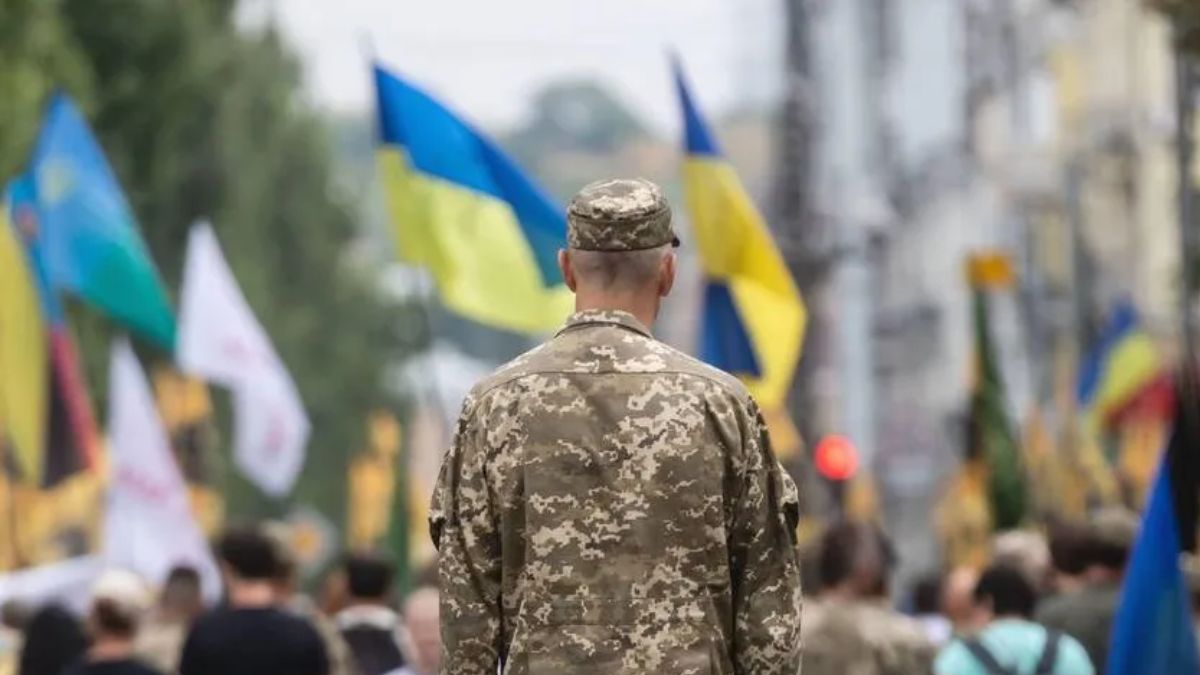
- In Ukraine, analysts watch with dread. Russian Ambassador Vasily Nebenzya’s condemnation of U.S. “lawlessness” is rich with hypocrisy, yet the action undermines the moral high ground used to oppose Russia’s invasion. As Ukrainian analyst Volodymyr Fesenko stated, Trump’s actions continue the trend of weakening international law that Putin began.
- In Taiwan, Beijing has condemned the move but is surely studying it. While a direct replica is unlikely, the spectacle of a sudden, audacious U.S. strike reinforces China’s narrative of American hegemony and may inform its own calculus of risk and aggression.
- In the Middle East, where the U.S. has already conducted strikes on Iran, the message is clear: the constraints of diplomacy and multilateralism are fading. The precedent set in Venezuela emboldens unilateral action.
- In Europe, a profound unease is settling. The EU’s tepid statement, stressing principles that seem suddenly fragile, highlights its dilemma. When its most powerful ally acts in ways that erode the rules-based order, what is its recourse? Figures like Hungary’s Viktor Orbán openly dismiss the relevance of international rules, celebrating a return to a politics of pure power.
The Unraveling
We are witnessing the unraveling of a system designed to prevent the strong from devouring the weak. The capture of Maduro may be celebrated by some as a victory in the drug war or against a tyrant. But its cost is monumental. It signals that the great powers are no longer guardians of the system but its arbiters, free to rewrite the rules through force.
The world built after 1945 is cracking. The question now is what will rise in its place: a renewed commitment to common rules, or a dark age where safety belongs only to the strongest, and every nation wonders if it will be next.
Also Read:
Russia Says Ukraine Has Increased Daily Drone Attacks on Moscow
North Korea Says Missile Test Responds to Growing Global Tensions