


Three Divisions Active in South Lebanon: What the Israel Army Operation Means

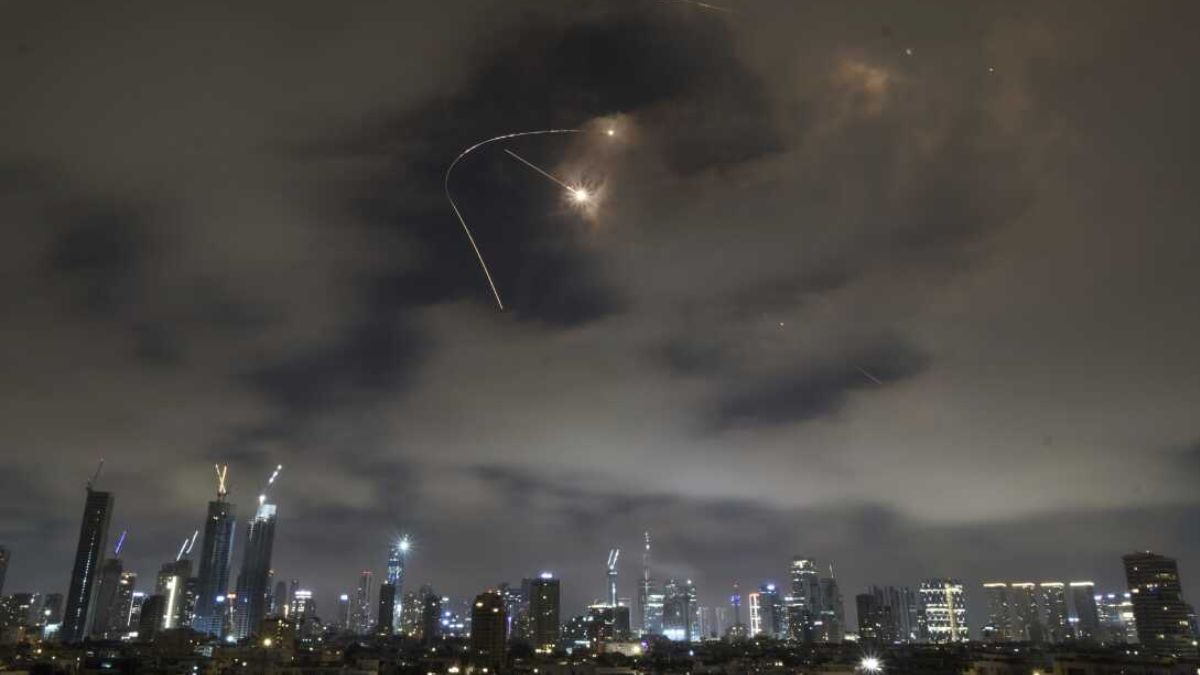
JERUSALEM — The airstrikes got the headlines. The missiles intercepting over Tel Aviv captured the footage. But Wednesday brought a different kind of escalation, one that carries its own risks and signals its own message: Israeli ground forces are now operating inside southern Lebanon in significant numbers.
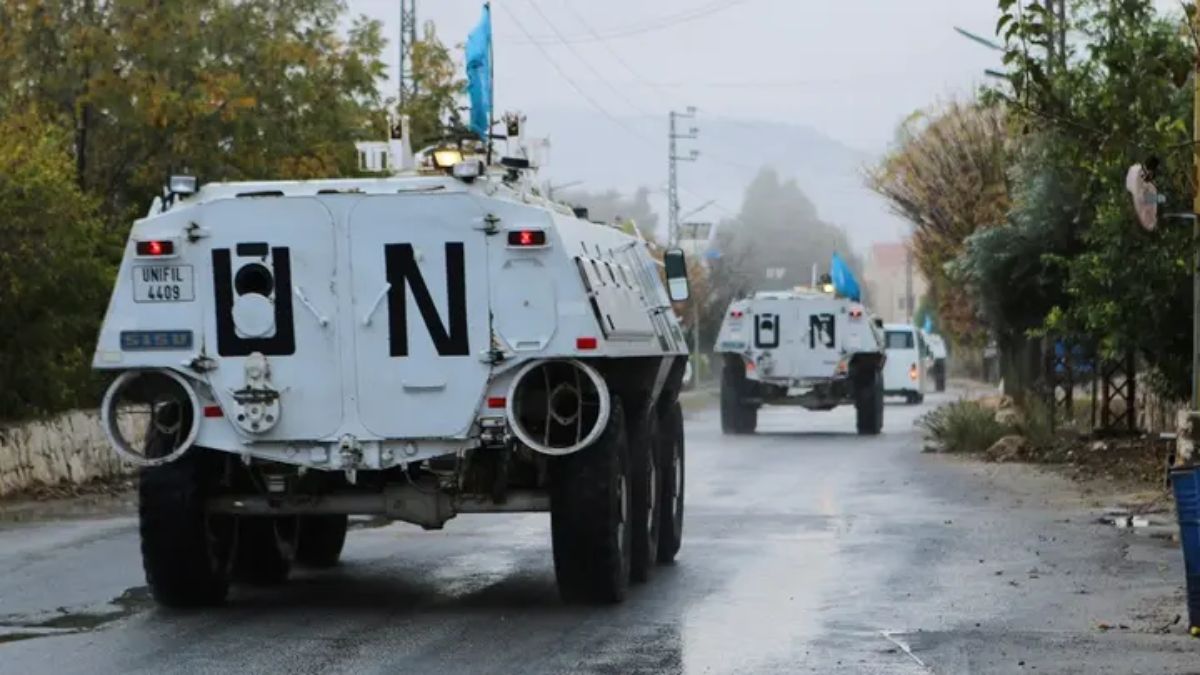
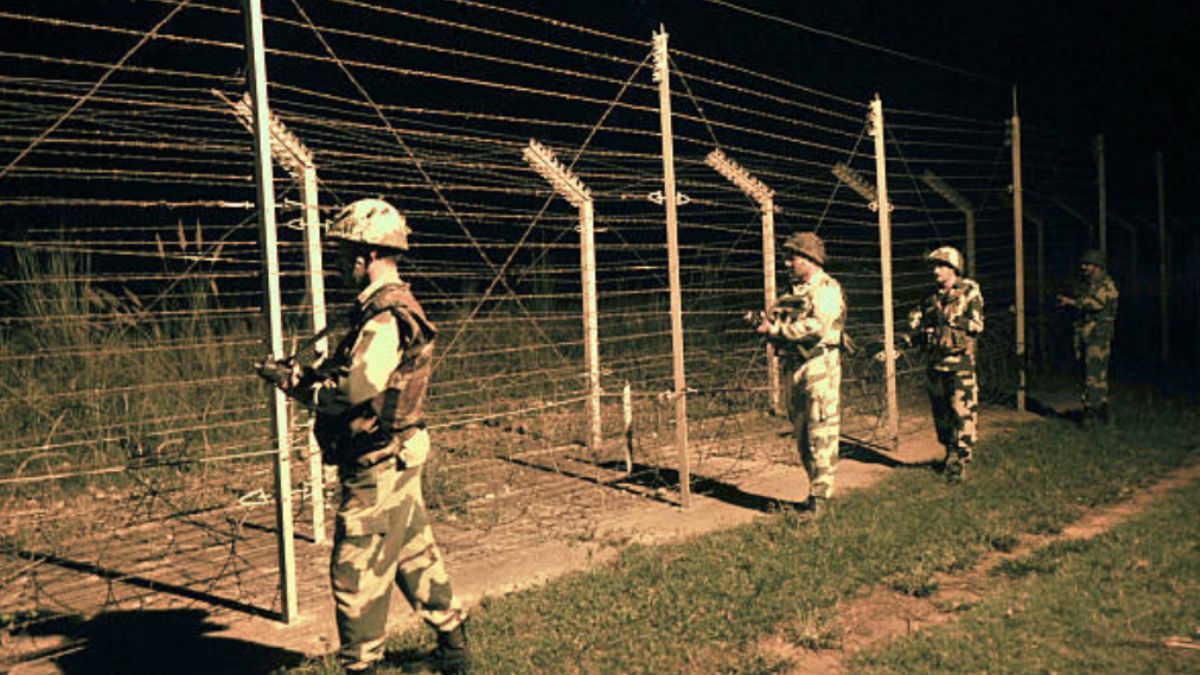
The military confirmed that troops from three divisions—the 91st, the 210th, and the 146th—are active across different sectors of the border area. Infantry, armor, and engineering units. Soldiers carrying backpacks and sleeping mats. Tanks maneuvering through familiar terrain.
This is not a raid. This is not a limited incursion. This is a ground operation involving thousands of troops, and it changes the nature of the conflict.
The Three Divisions
The military’s statement offered a clear picture of the operation’s scope.
The 91st Division is operating in the eastern sector of southern Lebanon. This area, known as the Shebaa Farms region, has been a flashpoint for decades. It offers terrain that favors Hezbollah’s defensive preparations—rocky hills, narrow valleys, and villages that can be turned into strongholds.
The 210th Division is operating in the Mount Dov area. This is the central sector of the border, directly facing Israeli communities that have endured years of threat. The division’s presence suggests an effort to clear Hezbollah positions within range of Israeli population centers.
The 146th Division is operating in the western sector, toward the Mediterranean coast. This area includes the Litani River region, which was supposed to be Hezbollah-free under the 2024 ceasefire agreement. Its presence there signals that Israel no longer trusts diplomatic arrangements to keep the group away from the border.
Together, the three divisions cover the entire length of the Israel-Lebanon frontier. The message is unmistakable: we are here, everywhere, and we are not leaving quickly.
What the Troops Are Doing
The video footage released by the military shows soldiers carrying heavy packs and sleeping mats. These are not the supplies of a quick in-and-out mission. They suggest extended operations, possibly lasting days or weeks.
Engineering units are particularly significant. Their presence indicates that the military expects to deal with obstacles—minefields, fortified positions, tunnels, and booby traps. Hezbollah has spent years preparing the terrain for exactly this scenario. Clearing those preparations requires specialized equipment and trained personnel.
Tanks maneuvering in south Lebanon add another layer. Armor provides firepower and protection, but it also limits mobility in built-up areas. Their presence suggests the military anticipates encounters that require heavy fire support.
Why Now?
The ground operation did not happen in isolation. It follows days of intense airstrikes across Lebanon, the displacement of tens of thousands of civilians from the south, and Hezbollah’s decision to launch rockets at Israel in retaliation for Khamenei’s killing.
But the timing also reflects Israeli calculations about opportunity. Hezbollah is weakened from the 2024 war. Its command structure has taken losses. Its attention is divided between supporting Iran and defending Lebanon. And the Israeli military has spent months planning exactly this kind of operation.
Defense Minister Israel Katz revealed Wednesday that the offensive against Iran and its proxies was originally planned for mid-2026 but was moved forward. The protests inside Iran, Trump’s positions, and the possibility of “creating a combined operation” all contributed to the decision.
The ground incursion into Lebanon is part of that combined operation. It ties down Hezbollah while strikes continue against Iran. It prevents the group from focusing entirely on long-range rocket fire by forcing it to defend its forward positions. And it creates facts on the ground that will shape any future ceasefire negotiations.
The Risks
Ground operations in Lebanon carry memories that no Israeli leader can ignore. The 1982 invasion led to an 18-year occupation that cost hundreds of Israeli lives and created Hezbollah itself. The 2006 war ended inconclusively, with ground forces taking heavy casualties against well-prepared defenses.
Today’s Hezbollah is far more capable than its 2006 version. It has tens of thousands of rockets, many of them precision-guided. It has combat experience from Syria. It has tunnels, bunkers, and ambush positions prepared over years.
The Israeli military believes it has learned the lessons of past wars. Better intelligence, more precise firepower, and a clearer understanding of the enemy’s capabilities. But belief is not certainty, and ground operations always carry the risk of the unexpected.
The Lebanese Perspective
For Lebanon, the ground invasion is a nightmare realized. The country is already shattered—economic collapse, political paralysis, and now war. More than 80,000 people have been displaced from the south. The government has banned Hezbollah’s military activities, an extraordinary step that reflects desperation but changes little on the ground.
Lebanese civilians now face a choice that no one should have to make: stay in their homes as Israeli tanks approach, or flee into an uncertain future as displaced persons. The roads north are clogged. Shelters are overflowing. The state has no capacity to help.
Hezbollah, for its part, presents the invasion as proof of its narrative. Israel is the aggressor. Resistance is the only response. Fight or be destroyed. The message resonates with its base, even as ordinary Lebanese pay the price.
What Comes Next
Three divisions inside Lebanon means the conflict has entered a new phase. The airstrikes will continue. The missiles will keep flying. But now there are soldiers on the ground, face to face with an enemy that has spent years preparing for this moment.
The military says the operation aims to remove the threat to Israeli communities and push Hezbollah away from the border. Those are limited objectives, but achieving them requires clearing terrain that the enemy has prepared to defend.
How long that takes, and how many casualties it costs, depends on factors no one can predict. Hezbollah’s willingness to fight. The effectiveness of Israeli intelligence. The decisions made in Tehran about whether to escalate further.
For now, the tanks roll. The soldiers march. And southern Lebanon, already battered by days of airstrikes, braces for what comes next.
Also Read:
Why Israel Responded with Strikes After Hezbollah’s Rocket Attack
Brave New World: How Countries Around the Globe Are Regulating AI