


Afghanistan-Pakistan Conflict: Talks Begin After Hundreds of Lives Lost
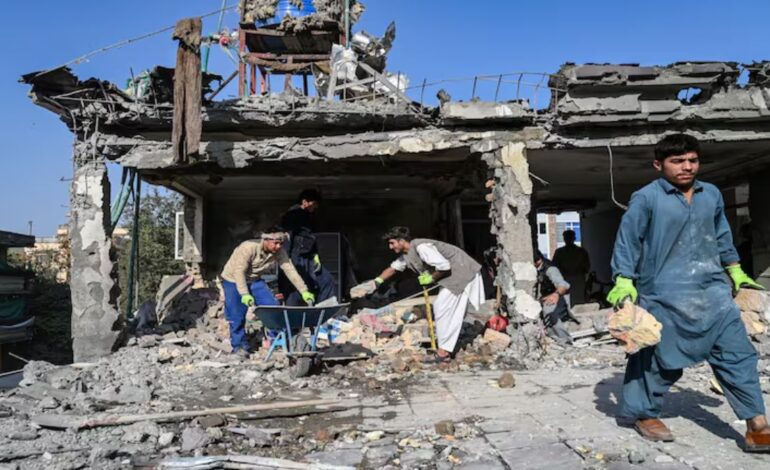

Afghanistan and Pakistan have agreed to halt escalation and seek a comprehensive solution to their conflict following seven days of peace negotiations mediated by China in Urumqi. The breakthrough came after weeks of intensive cross-border fighting that has killed hundreds and displaced nearly 100,000 people.
The Agreement
Both nations committed to exploring a comprehensive solution to their bilateral disputes and acknowledged that terrorism represents the core issue affecting their relationship. “The three parties agreed to explore a comprehensive solution to the issues in the relations between Afghanistan and Pakistan, and clarified the core and priority issues that need to be addressed,” said China’s Foreign Ministry spokesperson Mao Ning.
Critically, both Afghanistan and Pakistan agreed not to “take actions that would escalate or complicate the situation,” signaling a mutual commitment to de-escalation.
Constructive Dialogue
Afghanistan’s Foreign Ministry spokesman Abdul Qahar Balkhi confirmed that talks held in a “constructive atmosphere” focused on bilateral relations, security issues, and regional stability. He thanked China for hosting the negotiations and expressed hope that the process would strengthen trust and deepen cooperation in the region.
The talks began at China’s invitation as part of Beijing’s broader effort to mediate regional disputes and maintain stability along its western borders.
The Human Cost
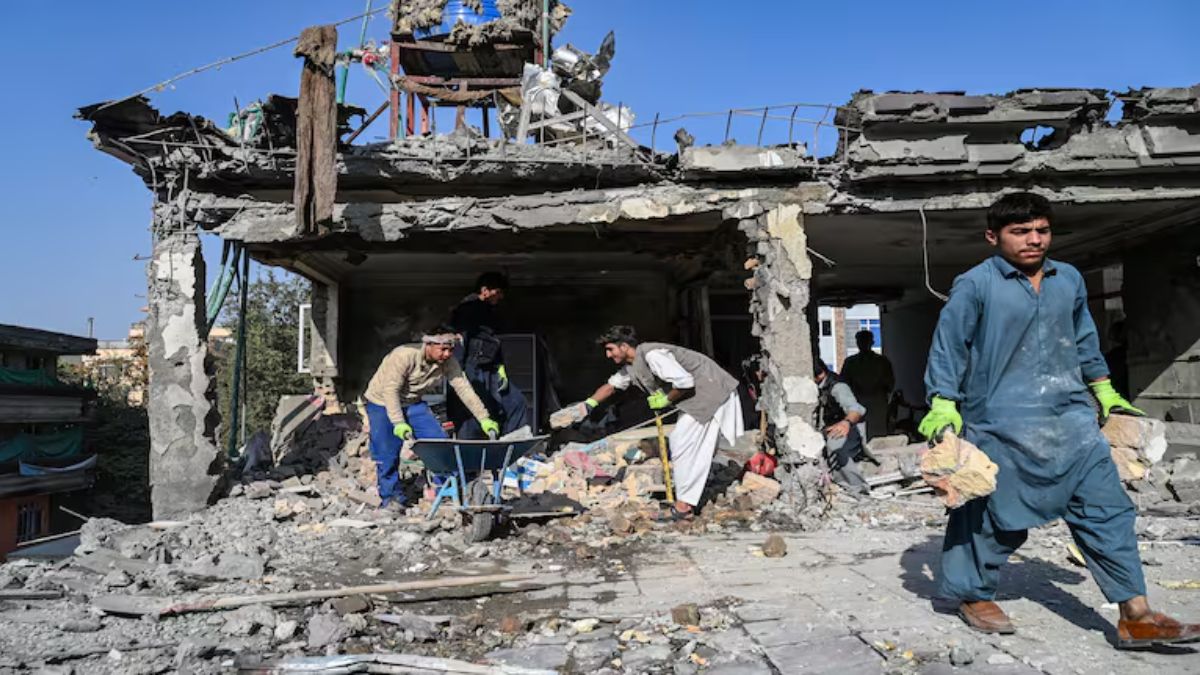
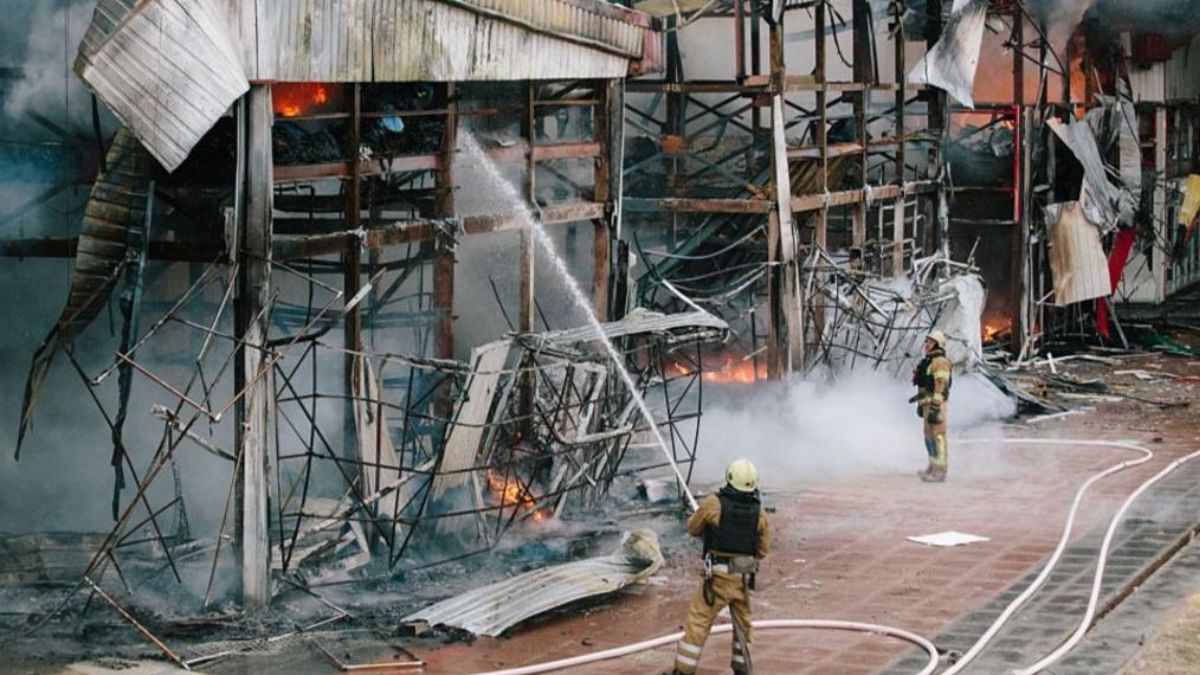
The conflict that erupted in February has devastated both nations. According to UN humanitarian coordination officials, the fighting has displaced approximately 94,000 people overall. More dramatically, 100,000 people in two Afghan border districts have been completely cut off from access to supplies and services since the fighting began.
Pakistan declared itself in “open war” with Afghanistan and conducted multiple airstrikes inside the country, including strikes near the capital Kabul. Afghanistan has accused Pakistan of continued shelling across the border even during the peace talks.
Core Grievances Remain
The underlying tensions persist despite the diplomatic progress. Pakistan maintains that Afghanistan harbors militants from the Pakistani Taliban (Tehrik-e-Taliban Pakistan or TTP), a group separate from but allied with the Afghan Taliban that ruled Afghanistan until 2021. Pakistan accuses these militants of carrying out deadly attacks within its borders.
Afghanistan denies providing safe haven to Pakistani militants, insisting its territory is not used as a base for attacks on Pakistan.
Moving Forward
While both nations agreed to continue dialogue, significant obstacles remain. The humanitarian crisis demands urgent attention, the underlying security grievances require substantive resolution, and the presence of competing militant groups complicates any lasting settlement.
China’s mediation role underscores Beijing’s investment in regional stability and its influence as a neighboring power capable of convening dialogue between hostile parties. The success of these negotiations will depend on whether both nations follow through on commitments to avoid escalation and genuinely pursue comprehensive solutions to their longstanding disputes.
The coming weeks will reveal whether this diplomatic opening can transform into lasting peace or remains merely a temporary pause in ongoing conflict.
Also Read:
Hormuz Deal Delay Impacts Global Trade with 800 Ships Left Waiting