


Syria and Kurdish Forces Push to Finalize Integration Deal Before Deadline
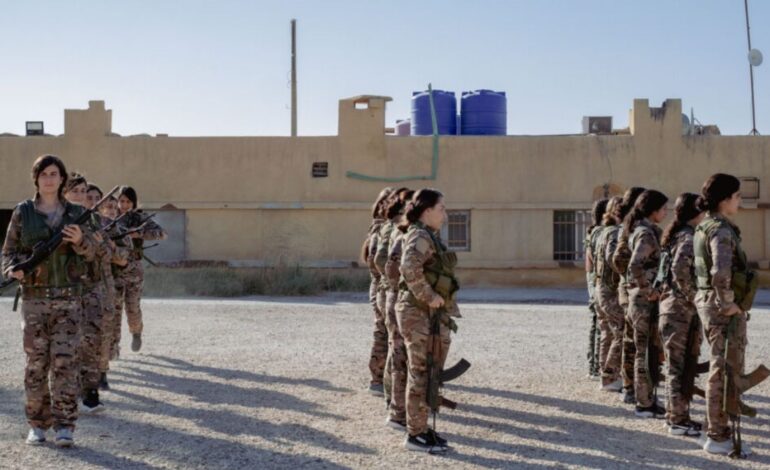

With a critical year-end deadline fast approaching, Syrian, Kurdish, and U.S. officials are locked in intense negotiations to finalize a landmark integration deal. The agreement, first signed on March 10, aims to merge the powerful, Kurdish-led Syrian Democratic Forces (SDF) with the structures of the Syrian state—a move seen as essential for stabilizing a nation still fragile after years of civil war. However, deep-seated distrust and conflicting demands have stalled progress, pushing all parties into a flurry of eleventh-hour diplomacy to avert a potentially disastrous collapse.
The Stakes of Failure: Stability vs. Renewed Conflict
The failure to reach an agreement carries severe risks. Syria’s northeast, rich in oil and wheat and currently under SDF control, represents the nation’s deepest remaining fracture. Without a peaceful integration, the simmering tensions could boil over into armed clashes, derailing Syria’s fragile emergence from 14 years of conflict.
Such a breakdown would also open the door for external intervention. Neighboring Turkey, which views the SDF’s main Kurdish component as a terrorist organization, has repeatedly threatened a military incursion. Turkish Foreign Minister Hakan Fidan recently warned that Ankara’s patience is “running out,” underscoring the regional volatility at play.
The Core of the Negotiation: Autonomy vs. Central Control
The negotiations are a delicate dance of power and concession. Damascus has reportedly sent a new proposal to the SDF, showing openness to the militia reorganizing its roughly 50,000 fighters into three main divisions. In return, Syria demands that the SDF cede some chains of command to the central government and open its territory to other units of the Syrian army.
For the SDF, which won significant autonomy as the primary U.S. ally in the fight against ISIS, the terms are difficult. The force is reluctant to surrender the hard-won control it exercises over key resources and territory. Kurdish officials have downplayed the deadline, with one suggesting implementing all points of the March accord could take until mid-2026.
The U.S. Role: Mediator Under Pressure
The United States is deeply invested in the outcome, acting as a key facilitator and messenger between Damascus and the SDF. Washington backs the interim Syrian government and views a successful integration as critical to preventing a security vacuum that could benefit ISIS remnants or trigger a Turkish offensive. U.S. Special Envoy Tom Barrack has been actively supporting dialogue, aiming to maintain momentum toward a deal that preserves stability.
A Face-Saving Compromise on the Horizon?
Despite the accelerated talks, sources close to the discussions caution that a comprehensive, final deal by December 31 is unlikely. Any announcement in the coming days may primarily serve to “save face,” extend the negotiation window, and prevent an immediate breakdown. The goal is to keep the process alive, even if the full integration of the SDF into the Syrian military and state institutions remains a distant prospect.
Both sides accuse the other of stalling. A Syrian official insists the deadline is firm, requiring “irreversible steps” from the SDF for an extension. Meanwhile, the SDF points to logistical and administrative details in Damascus’s proposals that could “cause disagreement and lead to delays.”
As the clock ticks down, the world watches to see if Syria’s most powerful non-state militia and the central government can bridge their profound differences. The alternative—a return to conflict in the nation’s economic heartland—is a scenario neither Syria nor its international partners can afford. The coming days will determine whether diplomacy can secure a fragile peace or if the deadline will pass, leaving the future of northeast Syria hanging in the balance.
Also Read:
US Pressures EU Over Use of Frozen Russian Assets for Ukraine Support
Trump Expected to Speak on Possible Easing of Marijuana Rules This Thursday