



Swiss Government’s Decision to Ban Russian Gas and Its Global Impact
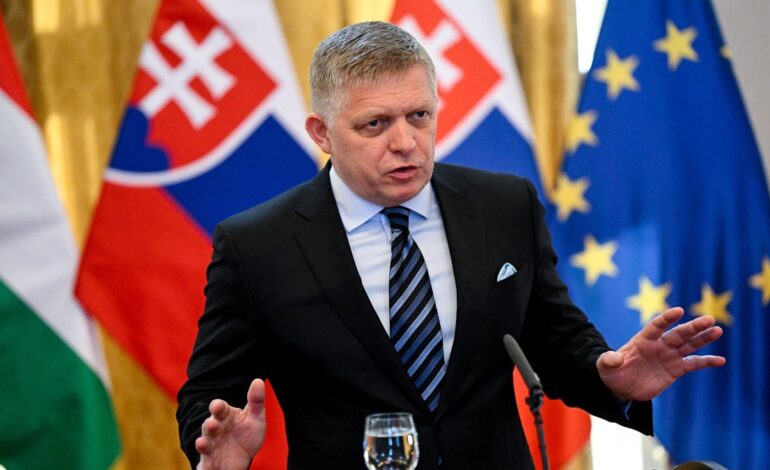

Switzerland announced Wednesday that it will completely ban the purchase and import of Russian liquefied natural gas starting April 25, aligning itself with the European Union’s latest sanctions package and further tightening economic pressure on Moscow.
The move, part of Switzerland’s adoption of the EU’s 19th sanctions package against Russia, aims to “reduce Russia’s revenues from the sale of fossil fuels, which are a major source of funding for the war against Ukraine,” the government said in a statement.
Transition Provisions
For pre-existing long-term supply contracts, a transition period will apply until the end of the year, allowing businesses time to adjust. But after December 31, the ban will be complete—no Russian LNG entering Switzerland by any route.
Beyond Energy
The sanctions package extends beyond fossil fuels. Switzerland also announced:
- A ban on providing cryptocurrency services to Russian citizens and companies
- Prohibition of transactions involving certain rouble-backed cryptocurrencies, including stablecoin A7A5
- Extension of the ban on using specialized messaging services for payment transactions
- Tightened restrictions on Russian diplomats accredited in EU countries, who must now give advance notice if transiting through or entering Switzerland
Switzerland’s Position
Though not an EU member, Switzerland has matched the bloc’s economic sanctions on Russia since the full-scale invasion of Ukraine four years ago. The Alpine nation, long known for its neutrality, has broken with tradition to join Western pressure campaigns—a decision that carries both diplomatic and economic consequences.
The alignment with EU sanctions affects Switzerland’s historical role as a neutral financial hub and mediator. But Bern has judged that the imperative to counter Russian aggression outweighs traditional neutrality.
Global Impact
Switzerland’s ban, while significant symbolically, represents a relatively small portion of global LNG trade. The broader impact comes from cumulative sanctions: as more nations cut off Russian energy purchases, Moscow’s revenues shrink, its ability to finance the war diminishes, and its economy faces mounting pressure.
For global energy markets, each additional sanction reduces supply diversity and increases competition for non-Russian sources. European nations have scrambled to replace Russian gas with LNG from the United States, Qatar, and elsewhere, reshaping global energy flows.
For Russia, the cumulative effect of sanctions—from major economies and small alike—is to slowly strangle revenue streams and isolate its economy. Switzerland’s ban is one more thread in that tightening net.
What It Means
For Switzerland, the ban confirms its departure from strict neutrality in favor of values-based alignment with European partners. For Russia, it represents another lost customer, another revenue stream closed. For Ukraine, it is one more sign that international support, while not always swift or sufficient, continues.
The ban takes effect April 25. By year’s end, Russian LNG will have no place in Switzerland. And the war, now entering its fifth year, will continue—funded or hindered by such decisions, one country at a time.
Also Read:
Decades in America, No Citizenship: Why This Iranian Adoptee Faces Deportation
UFO Secrets to Be Revealed: Trump Directs Government to Open Files