






Sweden Tightens Prison Conditions for Teens: Key Highlights
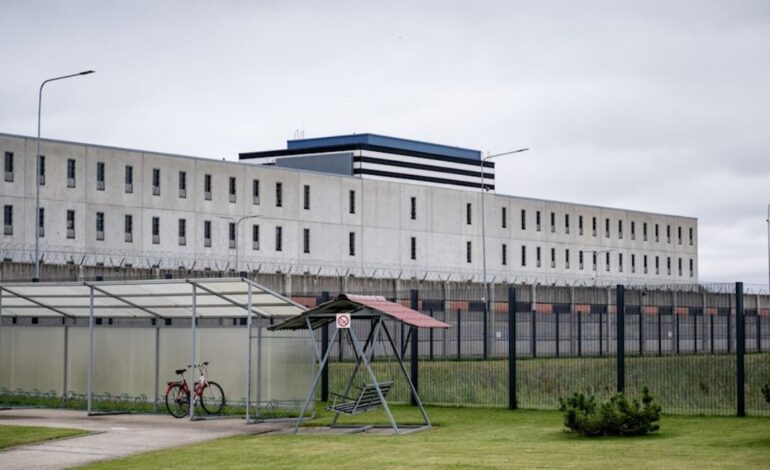

Sweden is preparing to implement a controversial juvenile justice reform that will, for the first time, allow children as young as 13 to be sentenced to prison for serious crimes. The changes, set to take effect July 1, mark a significant departure from the country’s traditional approach to juvenile offenders and reflect growing concern over gang violence and the recruitment of minors.
Lowering the Age of Criminal Responsibility
The minority rightwing government, backed by the far-right Sweden Democrats, announced in January that it would reduce the age of criminal responsibility from 15 to 13. The move comes despite opposition from a majority of the 126 authorities consulted, including the police and prison service.
Justice Minister Gunnar Strommer defended the decision, citing fundamental changes in criminal patterns. “Society and crime have changed fundamentally,” he told a press conference Thursday. “Young people in general commit fewer crimes. But those who do commit more and much more serious crimes.”
The Problem Behind the Reform
Sweden has struggled for more than a decade to contain a surge in organized violent crime, primarily linked to gang conflicts and battles for control of the drug market. Criminal networks have increasingly recruited under-15s, often online, as highly-paid hitmen to carry out bombings and shootings—knowing they would not face prison time if caught under the previous age limit.
“It is much more common for youths to use weapons and explosives,” Strommer said. He described an “emergency situation with the gangs, the shootings and explosions with 15, 16 or 17-year-old kids convicted of murder or involvement in murder plots. But there are even younger children involved.”
What Prison Will Look Like for Teens
Eight existing prisons have been tasked with preparing special sections for children. Three are due to open by July 1. The facilities will keep minors separated from adult inmates, with modified conditions designed for their age:
- Cell time: Children will be locked in their cells for 11 hours at night, compared to 14 hours for adults.
- Education: They will attend school lessons during the day.
- Amenities: Separate cafeteria, recreation yard, gym, and infirmary will be provided.
The approach represents a middle ground between standard prison conditions and the specialized care previously offered to juvenile offenders.
Current System vs. New Reality
Currently, most minors found guilty of serious crimes are not sentenced to prison. They are typically ordered into closed detention facilities called SIS homes, which focus on mandatory care and rehabilitation rather than punishment. However, these facilities have in recent years become recruiting grounds for criminal networks—a failure the government cites as justification for change.
Criticism and Concerns
The reform has drawn sharp criticism from children’s rights advocates and professional organizations. Bris, a children’s rights association, called the changes “counter-productive, insufficiently researched and violates children’s rights.” The group warned that imprisoning young children would lead to increased recidivism and encourage criminal networks to recruit even younger children.
The union representing social workers and prison employees, Akademikerförbundet SSR, expressed concern about implementation speed. “We are very concerned that the Swedish Prison and Probation Service will not have time to build up staff expertise in working with children,” said union expert Fredrik Hjulstrom. “The staff of the Prison and Probation Service are qualified to work with adults, and a completely different set of skills is required to succeed with children.”
Temporary Measure, Political Context
The reform is being introduced temporarily, limited to five years initially. Its implementation comes ahead of legislative elections in September, as the government rapidly pushes through reforms in various areas to address public concerns about crime.
For Sweden, a country long known for its progressive approach to criminal justice, the changes represent a significant pivot. Whether they reduce youth involvement in gang violence or simply introduce new problems remains to be seen. What is certain is that, starting July 1, some 13-year-olds convicted of serious crimes will find themselves in prison—a fate their predecessors, just months earlier, would have avoided.
Also Read:
France and Algeria Agree to Resume Security Cooperation, Says Minister