




Starmer Says UK Must Build a Deeper Partnership With China
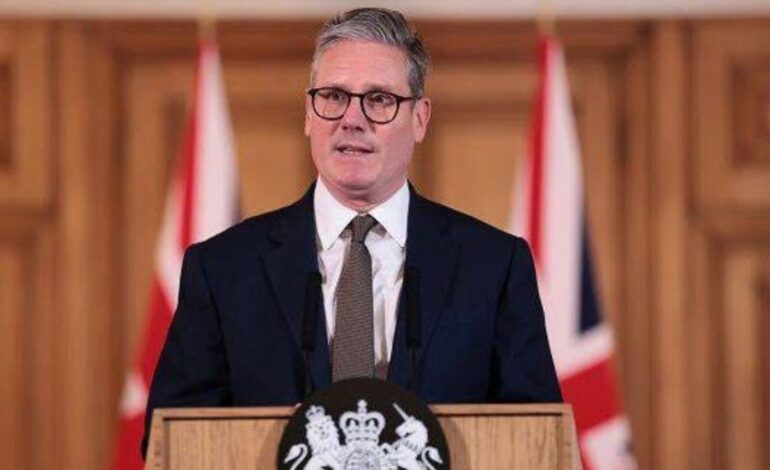

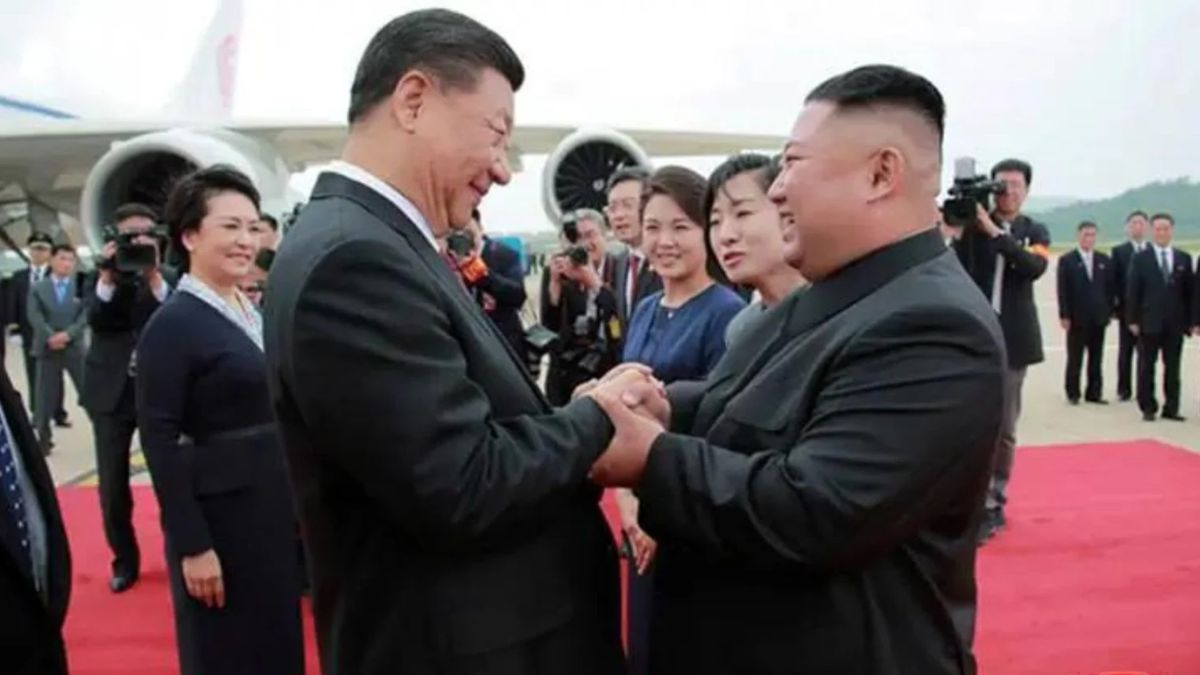
British Prime Minister Keir Starmer’s visit to Beijing this week marks a notable shift in how Western leaders are approaching their relationship with China. After nearly a decade without a British prime ministerial visit to the Chinese capital, Starmer’s decision to engage directly with President Xi Jinping signals a recalibration of priorities in an increasingly fractured global landscape.
The Context Behind the Handshake
Starmer’s trip comes at a moment when the traditional anchors of international trade are being shaken. With Washington pursuing unpredictable trade policies under President Trump, countries across Europe and Asia are reassessing their economic partnerships. The fact that Starmer is the fourth leader from a U.S. ally to visit Beijing this month—following counterparts from South Korea, Canada, and Finland—tells us something important about where the winds are blowing.
This isn’t happening in a vacuum. Britain’s economic growth has been sluggish, and businesses are hungry for new markets. The delegation of over 50 top executives accompanying Starmer underscores the commercial imperative driving this diplomatic outreach. When economic headwinds blow at home, governments look abroad for opportunity.
Walking a Tightrope
What makes Starmer’s position particularly delicate is the baggage that comes with it. The relationship between London and Beijing has been strained in recent years, and for serious reasons. Concerns about espionage activities on British soil, China’s alignment with Russia during the Ukraine conflict, and the erosion of democratic freedoms in Hong Kong have all contributed to a climate of suspicion.
Yet Starmer is choosing engagement over isolation. His call for a “long term, consistent and comprehensive strategic partnership” suggests a belief that the challenges facing the world—climate change, economic instability, regional conflicts—are too significant to address without China at the table.
This represents a classic foreign policy dilemma: How do you pursue cooperation with a country whose actions you find troubling? How do you balance moral concerns with economic necessities?
The Realpolitik of the Moment
Starmer’s approach reflects a dose of realism. Like it or not, China is the world’s second-largest economy and a major player in everything from manufacturing to green technology. Cutting off dialogue doesn’t make those realities disappear; it just means you have less influence over outcomes.
The prime minister’s emphasis on working together on “global stability” and climate change acknowledges that some problems transcend bilateral tensions. Climate change doesn’t respect political differences, and economic disruption in one major economy ripples across the entire system.
What This Means Going Forward
Whether this visit translates into concrete results remains to be seen. Diplomatic warm words in the Great Hall of the People are one thing; actual policy changes and trade agreements are another. The proof will be in whether this engagement leads to tangible benefits for British businesses, progress on shared challenges, and perhaps even some movement on the thornier issues that have divided the two countries.
What’s clear is that the geopolitical landscape is shifting. As the United States becomes a less predictable partner under its current leadership, other countries are hedging their bets and exploring alternative relationships. Britain, facing its own economic challenges post-Brexit, is no exception.
Starmer’s visit is a bet that engagement is better than estrangement, that talking is preferable to silence, and that economic opportunity shouldn’t be left on the table because of political discomfort. Whether that bet pays off will depend on how both sides navigate the considerable differences that still divide them.
For now, the ice has been broken. What happens next will reveal whether this is the start of a genuine thaw or just a brief diplomatic interlude before temperatures drop again.
Also Read:
Trump Responds to Minneapolis Shooting Criticism, Vows to ‘De-escalate’
Study Shows Nearly 2 Million Soldiers Killed or Injured in Ukraine Conflict