






Spain Fines Airbnb €64 Million for Listing Banned Rental Properties
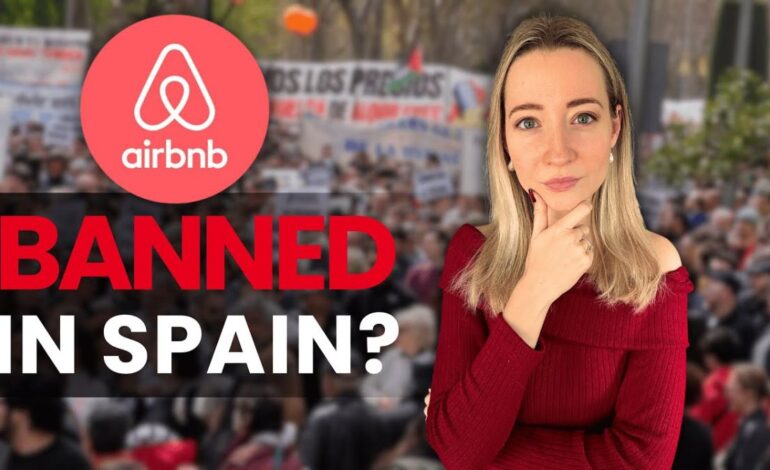

In a decisive move that underscores a growing global tension, Spain’s government has imposed a hefty €64 million fine on the holiday rental giant Airbnb. The penalty, announced as final by the consumer affairs ministry, targets the platform for hosting over 65,000 advertisements that breached Spanish housing regulations. This action is more than a bureaucratic slap on the wrist; it is a direct confrontation with a business model many blame for exacerbating the nation’s severe housing crisis.
The Heart of the Violation
The ministry’s statement was clear: Airbnb must “correct the violations by deleting illegal content.” The listings in question largely promoted properties operating without a proper local license or with license numbers that did not match official registers. The fine itself is calculated to have a sting, set at six times the illegal profit Airbnb reportedly earned between being formally warned about the adverts and their eventual removal.
This enforcement is part of a broader crackdown. Just last June, the same ministry ordered Booking.com to take down more than 4,000 illegal adverts. The message is consistent and escalating: platforms facilitating short-term rentals will be held accountable for the legality of their listings.
A Boom with a Backlash
The context for this penalty is critical. Spain, the world’s second most-visited country, welcomed a record 94 million foreign tourists in 2024. While tourism fuels the economy, it has sparked intense local backlash in cities like Barcelona, Madrid, and Valencia. Residents and activists argue that the proliferation of short-term tourist rentals reduces the available long-term housing stock, drives up rents, and fundamentally alters the character of neighborhoods.
Far-left Consumer Rights Minister Pablo Bustinduy framed the issue in stark, social terms: “There are thousands of families who are living on the edge due to housing, while a few get rich with business models that expel people from their homes.” On Bluesky, he added a firm warning: “We’ll prove it as many times as necessary: no company, no matter how big or powerful, is above the law. Even less so when it comes to housing.”
A Global Reckoning for Short-Term Rentals
Spain’s fine represents a flashpoint in a worldwide debate. From Lisbon to Tokyo, cities are struggling to balance the economic benefits of tourism platforms with the social need for affordable, stable housing. Regulations like licensing schemes and caps on rental days are becoming more common, but enforcement remains a constant challenge.
This €64 million penalty is a significant test of that enforcement resolve. It challenges the core operational premise of platforms like Airbnb, placing a greater burden of regulatory compliance directly on them. The outcome will be watched closely by regulators, housing advocates, and the tourism industry worldwide.
For Spain’s leftist coalition government, tackling the housing crisis is a top priority. This record fine against a global titan is a bold statement of intent, signaling that the right to housing may now carry more weight than the convenience of tourist accommodation. As the dust settles, the key question remains: will this financial deterrent force a lasting change in how short-term rental platforms operate, or is it merely a costly skirmish in an ongoing war for the soul of city neighborhoods?
Also Read:
Historic Rains in Washington State Lead to Severe Flooding and Rescue Efforts
US Forces Raid Ship Bound for Iran Amid Rising Gulf Tensions