




Former South Korean President Faces 10-Year Sentence Demand by Prosecutors
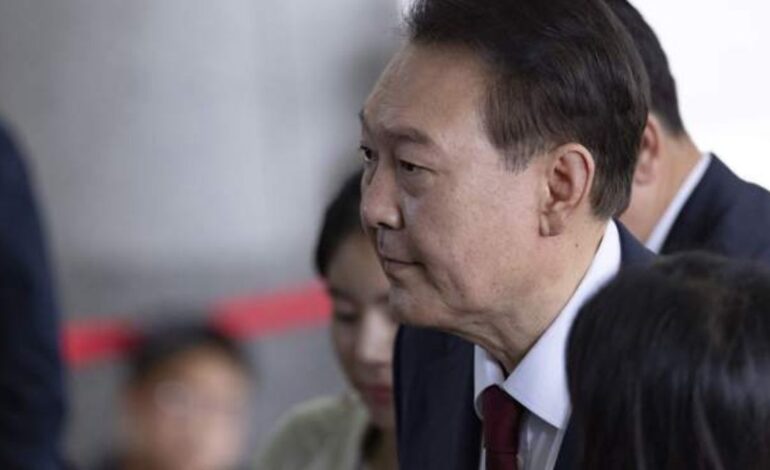

The halls of power can feel distant from consequences—until they don’t. On Friday, prosecutors in Seoul made it clear that former South Korean President Yoon Suk Yeol will be held accountable for decisions that shook the nation to its core. They’re asking for a 10-year prison sentence, and this is just one of several trials he now faces.
A Night That Changed Everything
December 3, 2024, is a date South Koreans won’t soon forget. That night, Yoon declared martial law—suspending civilian rule for the first time in over forty years. The move sparked immediate and massive protests across the country, with citizens pouring into the streets and lawmakers racing to parliament in a dramatic showdown.
The martial law lasted only hours, but its consequences have been anything but brief. By April, the Constitutional Court had removed Yoon from office entirely. Now, the former president finds himself facing not one but multiple criminal trials.
What Prosecutors Say He Did
The 10-year sentence being sought relates to obstruction of justice charges. According to prosecutors, Yoon excluded cabinet members from a crucial martial law meeting, keeping key government officials in the dark about his plans. Then, in January, he allegedly blocked investigators who attempted to detain him.
These charges paint a picture of someone who not only made a controversial decision but then took steps to avoid accountability for it. A Seoul court is expected to hand down a verdict next month, according to reports from Yonhap news agency.
More Serious Charges Loom
The obstruction case is actually the least of Yoon’s legal troubles. He faces three other trials, including allegations of leading an insurrection. That charge carries the most severe penalty possible under South Korean law—the death penalty.
It’s a stunning fall for someone who held the highest office in the land. The contrast between the power he wielded just months ago and his current position as a defendant in multiple criminal cases couldn’t be starker.
Yoon’s Defense: Fighting Traitors
The former president hasn’t remained silent about his actions. Earlier this month, Yoon defended his martial law declaration, framing it as a necessary measure in the fight against what he called “pro-China, pro-North Korea, and traitorous activities.”
It’s a defense that positions him as a protector of national security rather than someone who overstepped constitutional boundaries. Whether the courts will accept this justification remains to be seen. History suggests that martial law declarations—especially those that don’t succeed in garnering support—are viewed harshly in retrospect.
Democracy’s Test
South Korea’s democratic institutions are now being tested. The country has come a long way from its authoritarian past, when martial law and military rule were not uncommon. The peaceful transition away from authoritarianism is one of South Korea’s proudest achievements.
That’s precisely why Yoon’s brief attempt to reimpose martial law struck such a nerve. For many South Koreans, especially those old enough to remember the country’s authoritarian era, the declaration represented a dangerous step backward.
The swift response—from protesters, lawmakers, and ultimately the Constitutional Court—demonstrated the strength of South Korea’s democratic checks and balances. The system worked, even when tested by the person at its very top.
What Happens Next
The verdict in the obstruction case is expected next month, but Yoon’s legal journey is far from over. With three other trials pending, including the insurrection charges, it could be years before all cases are resolved.
For now, South Korea watches as its justice system handles a former president who tried to suspend the very democratic order he was elected to uphold. The prosecutors’ demand for a 10-year sentence sends a message: no one, regardless of their position, is above the law.
The outcome of these trials will have implications far beyond Yoon’s personal fate. They will help define the limits of presidential power in South Korea and reinforce—or undermine—public trust in the country’s legal institutions.
One thing is certain: the events of December 3, 2024, and their aftermath have already secured Yoon Suk Yeol’s place in South Korean history. Whether that place is as a cautionary tale or something else entirely depends on what the courts decide in the months ahead.
Also Read:
Bangladesh Politics Sees Major Shift as PM Contender Returns After 17 Years
Greece Coast Guard Saves 52 Migrants After Boat Incident, Child Still Missing