


Seoul Tries to Control Panic Buying of Rubbish Bags Amid Mideast War
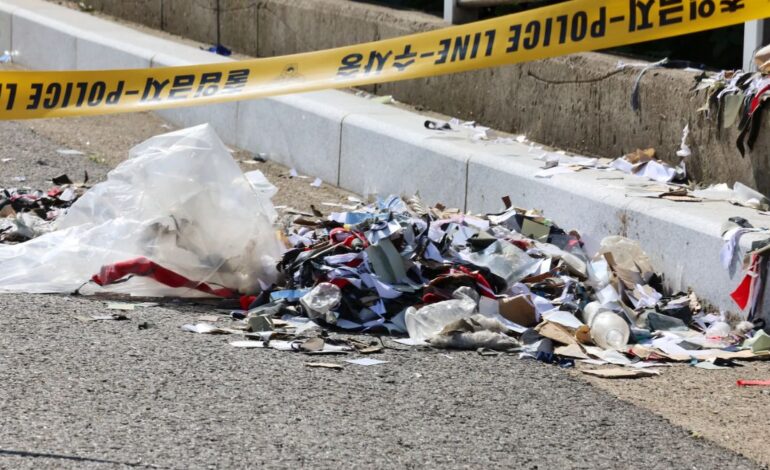

SEOUL – South Korea’s energy minister took to social media on Monday to calm public fears over a sudden surge in demand for plastic rubbish bags, a panic buying trend triggered by growing anxiety over energy supplies linked to the escalating conflict in the Middle East.
The Seoul city government reported that daily sales of the official garbage bags jumped nearly fivefold last week, reaching 2.7 million units. In response, major retailers have imposed purchase limits on customers as authorities scramble to prevent hoarding and ensure steady distribution.
Why Rubbish Bags?
For those unfamiliar with South Korea’s waste management system, the panic may seem unusual. The country operates a strict pay-per-disposal system in which households must purchase designated standardized bags to throw away general waste. These bags are sold at convenience stores, supermarkets, and local offices, and their prices include a portion that funds the waste collection and treatment process.
The bags themselves are made from plastic, and plastic is derived from petroleum by-products. As South Korea imports the vast majority of its oil—much of it passing through the Strait of Hormuz—the disruption of shipping lanes in the Gulf has raised concerns about the availability of raw materials used in manufacturing everything from fuel to plastic products.
A Strained Supply Chain
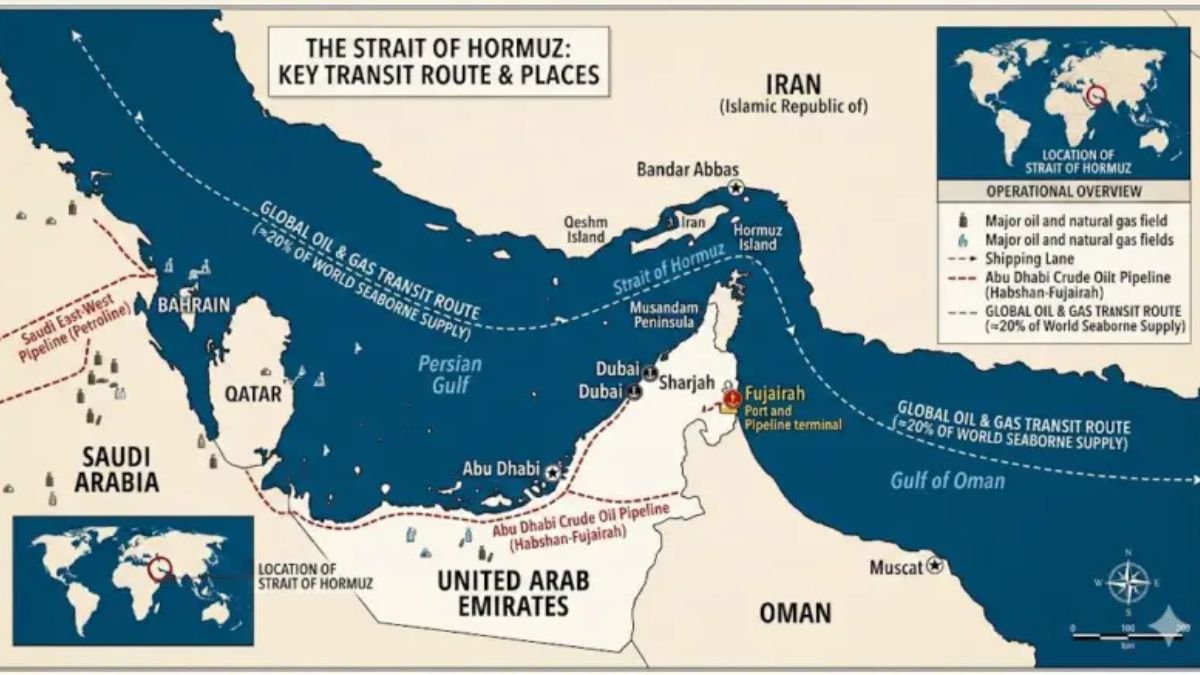
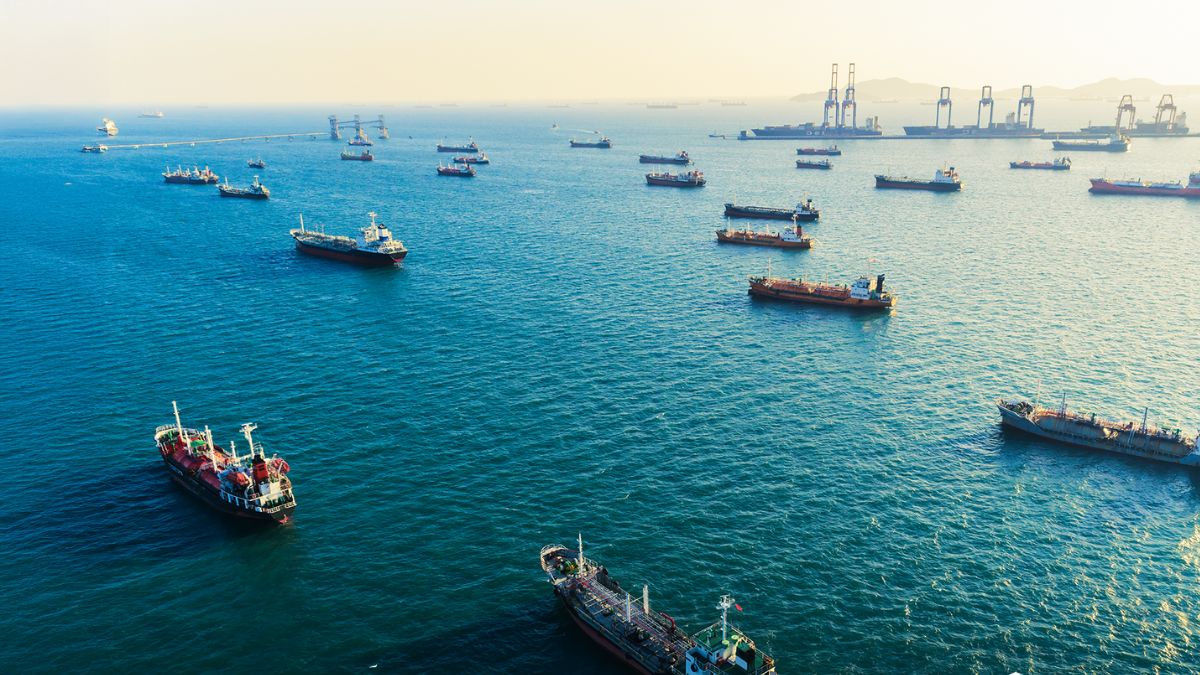
The Strait of Hormuz, a narrow waterway between Iran and Oman, has been effectively shut since the United States and Israel began military operations against Iran on February 28. Approximately one-fifth of the world’s oil supply passes through the strait daily, and for South Korea—Asia’s fourth-largest economy and a major oil importer—the closure represents a significant vulnerability.
While the government has assured the public that crude oil reserves are sufficient, the ripple effects on downstream products like plastic have triggered unease. Residents began stockpiling garbage bags last week, fearing that shortages could leave them unable to dispose of household trash in compliance with the law.
Minister’s Reassurances
Energy Minister Kim Sung-whan moved quickly to address the growing concern. In a message posted on social media, he emphasized that there was “no need to worry about the supply of standard garbage bags.”
“There is ample capacity to use recycled raw materials, meaning there will be no supply issues for more than a year,” Kim stated. He added that the government has no plans to raise prices on the bags despite the disruption in global oil markets.
To further ease public anxiety, Kim noted that even under the worst-case scenario, authorities would consider allowing general plastic bags to be used as temporary alternatives for waste disposal. “You will never be in a situation where you are forced to store garbage at home,” he assured residents.
Broader Energy Measures
The panic over rubbish bags is just one symptom of a wider energy crunch gripping the country. South Korea has introduced caps on fuel prices—a measure not seen since the 1997 Asian financial crisis—and is preparing a “wartime” supplementary budget worth 25 trillion won ($16.5 billion) to stabilize the economy and secure energy supplies.
Public campaigns are also underway urging citizens to reduce energy consumption. Recommendations include taking shorter showers, walking or cycling instead of driving, and charging mobile phones during daytime hours when solar power contributions are highest.
A Global Supply Shock
South Korea’s predicament highlights the far-reaching consequences of the conflict in the Middle East. While much of the global attention has focused on oil prices and military escalations, the disruption of petrochemical supply chains is beginning to affect everyday consumer goods in countries far from the battlefield.
The surge in rubbish bag purchases recalls similar episodes of panic buying seen during the early months of the COVID-19 pandemic, when toilet paper and hand sanitizer vanished from store shelves. In this case, the underlying fear is not a virus but the prospect of prolonged instability in one of the world’s most critical shipping chokepoints.
Looking Ahead
For now, authorities appear confident that the situation can be managed without drastic measures. The government’s ability to draw on recycled materials for plastic production offers a buffer that did not exist in previous energy crises. Officials are also exploring alternative shipping routes and suppliers to reduce dependence on the Strait of Hormuz in the long term.
Whether these assurances will be enough to curb the panic buying remains to be seen. But for residents of Seoul, the immediate message from the energy minister was clear: there is no need to hoard rubbish bags, and the government intends to keep it that way.
Also Read:
7 Powerful Ways to Reignite Passion and Energy in Your Business
Turn Your Cold Emails into High-Quality B2B Sales Conversations