
Why Vladimir Putin Is Calling for an Immediate Halt to the Iran Conflict
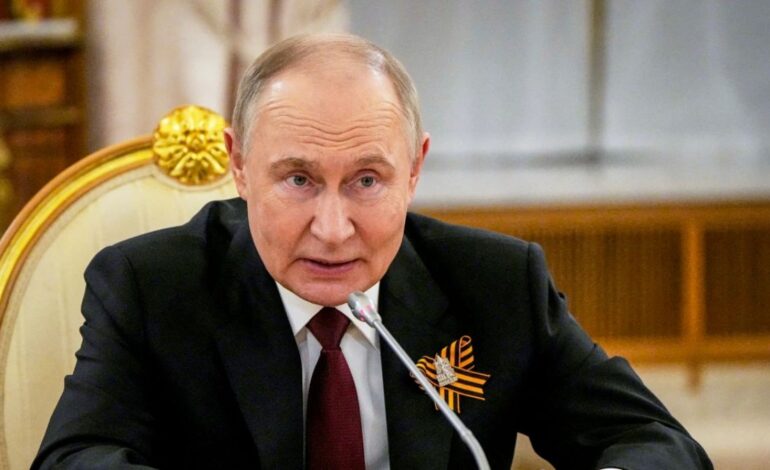

In a phone call late Friday, Vladimir Putin reached out to Iran’s President Masoud Pezeshkian with a message that stands in stark contrast to the escalating military conflict consuming the Middle East. The Russian leader expressed deep condolences for the dead—including Iran’s Supreme Leader Ayatollah Ali Khamenei—and called for an immediate halt to hostilities.
It was a moment of diplomatic intervention from an unexpected source. Russia, so often portrayed as a destabilizing force in global affairs, was now positioning itself as a voice for peace. But beneath the surface of this carefully scripted diplomatic gesture lies a more complex story about geopolitical interests, regional stability, and the calculations that drive great power behavior.
The Significance of Khamenei’s Death
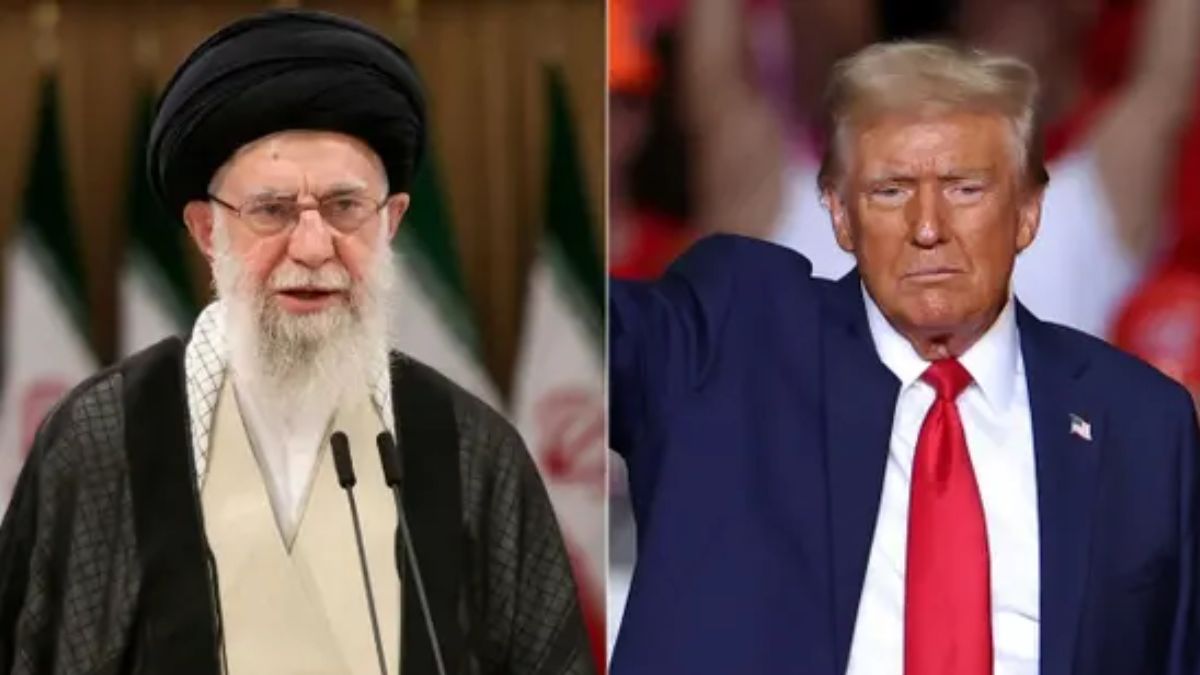
Before examining Russia’s diplomatic move, the underlying reality must be acknowledged: Ayatollah Ali Khamenei is dead. Along with him, members of his family and other Iranian political and military leaders have been killed.
This is not a minor casualty. Khamenei has been Iran’s Supreme Leader for over three decades. He is the highest religious and political authority in the Islamic Republic. His death represents a fundamental upheaval in Iranian power structures. It raises immediate questions about succession, about continuity of government, about how power will be consolidated in the aftermath of his death.
The killing of a nation’s highest leader is, by definition, a moment of profound instability. It is also, for that nation, a moment of humiliation and vulnerability. An external power—the combined forces of the United States and Israel—has not merely struck military targets. It has struck at the very heart of the Iranian state.
For a nation built on principles of sovereignty and independence, being unable to protect its own Supreme Leader from foreign attack is a devastating blow. It is not merely military defeat. It is political trauma.
Russia’s Calculated Intervention
It is within this context of Iranian vulnerability that Putin’s phone call takes on deeper meaning. The Russian president is not intervening as a neutral party. Russia has been building closer ties with Iran, particularly since the Western sanctions regimes intensified under previous administrations. Russia and Iran have shared interests in Syria, in countering Western influence in the Middle East, and in resisting what both see as American hegemony.
Yet Russia is also deeply concerned about regional stability. An Iran that is shattered, whose leadership has been decapitated, whose government structure is in chaos—this serves no one’s interests, including Russia’s. A stable Iran, even one aligned with Russia, is preferable to a destabilized Iran descending into internal conflict and international chaos.
Putin’s call for an immediate cessation of hostilities, then, reflects this calculation. The Russian leader is not calling for a ceasefire because he has become an idealist committed to peace. He is calling for an end to hostilities because further escalation threatens to destabilize a region where Russia has significant interests.
The Language of Neutrality
In the Kremlin’s readout of the conversation, Putin is described as reaffirming Russia’s “principled stance in favor of an immediate cessation of hostilities, the rejection of force as a method to solve any issues surrounding Iran or arising in the Middle East, and a swift return to the path of diplomatic resolution.”
Notice the careful balance in this language. Putin calls for “cessation of hostilities”—an end to the fighting by all parties. He does not call for Israel and the US to withdraw. He does not demand a return to previous conditions. He simply calls for a halt.
This framing allows Russia to position itself as the voice of reason without explicitly condemning Israel and the US. The phrase “rejection of force as a method to solve any issues” sounds neutral, as if all parties have been using excessive force.
Yet the Kremlin’s readout also notes that Putin condemned “the armed Israeli-American aggression against Iran.” So Russia is simultaneously calling for neutrality while characterizing one side’s actions as aggression. It is a diplomatic position designed to satisfy multiple audiences—to show solidarity with Iran while maintaining the posture of a peacemaker.
The GCC Connection
Perhaps most strategically significant is the statement that Putin said he was “in constant contact with the leaders of Gulf Cooperation Council member states.”
This is not a casual mention. The GCC includes Saudi Arabia, the UAE, Qatar, Oman, Kuwait, and Bahrain—all nations that have been targets of Iranian attacks and all nations whose stability is crucial to global energy supplies and international commerce. If Putin is in constant contact with these leaders, he is positioning Russia as a diplomatic intermediary between Iran and the Arab Gulf states.
This role could prove crucial in the coming days and weeks. If escalation is to be halted, if a broader war is to be prevented, some form of communication must be maintained between the warring parties. Russia, despite its alignment with Iran, maintains relationships with the Gulf states. It can potentially serve as a channel through which messages are transmitted, interests are explained, and de-escalation pathways are explored.
But this role also gives Russia considerable influence. If Russia becomes the broker of peace, Russia gains leverage over all parties. It becomes indispensable to any settlement. This is perhaps the deeper motivation for Putin’s intervention—not merely to prevent regional chaos, but to position Russia as a key player in resolving it.
Iran’s Gratitude and Trauma
Pezeshkian’s response to Putin’s call is telling. According to the Kremlin’s readout, the Iranian president “expressed gratitude for Russia’s solidarity with the Iranian people as they defend their sovereignty and the independence of their country.”
Note the language: defending sovereignty and independence. Pezeshkian frames Iran not as the aggressor but as the victim defending itself against external assault. Russia, in calling for peace, is also expressing solidarity with that defense. The message is carefully calibrated: Russia supports Iran, but in the interest of halting further harm.
Pezeshkian also “provided a detailed update on the developments during the latest active phase of the conflict.” This suggests that communication between Russia and Iran is not merely ceremonial. Russia is receiving detailed information about Iran’s situation, its military status, its assessment of the conflict. This information is valuable intelligence about the state of affairs in Iran and the region.
The Broader Strategic Calculation
Why would Putin risk the perception of weakness by calling for peace when his partner Iran has just suffered a devastating blow? The answer lies in Russia’s own vulnerabilities and interests.
Russia is currently engaged in a prolonged conflict in Ukraine. That conflict is consuming resources, attention, and diplomatic capital. Russia does not need a broader Middle Eastern conflict destabilizing global energy markets, disrupting its relationships with multiple regional actors, or forcing it to choose between competing commitments.
A Middle East engulfed in broader conflict could create cascading consequences: oil prices spiking, global economic disruption, refugee flows, and escalating humanitarian crises. These consequences would reverberate back to Russia, complicating an already difficult international situation.
Putin’s call for peace, then, reflects not humanitarian concern but strategic interest. Russia wants the Middle East crisis contained, managed, and brought under diplomatic control before it spirals into something larger and more destabilizing.
The Question of Influence
What remains unclear is whether Putin’s call for peace will have any effect. The United States and Israel have initiated and sustained the military campaign. They are unlikely to halt operations simply because Russia requests it. Iran, reeling from the death of its Supreme Leader, may be in no position to negotiate from strength.
The real question is whether Russia’s diplomatic intervention creates space for other actors—perhaps international organizations, regional powers, or other countries concerned about escalation—to press for de-escalation.
If Russia can position itself as the reasonable voice in the chaos, the nation calling for peace while offering no judgment against any party, it accumulates diplomatic capital. It becomes the nation that everyone must negotiate with if a settlement is to be reached.
A New Role in a Shifting Region
Putin’s intervention reveals something important about the evolving Middle East. Russia is no longer merely a Cold War relic or a regional irritant. It has become a significant player in Middle Eastern geopolitics, with relationships that span from Iran to the Gulf states, with influence that extends across the region.
The call for peace is both genuine and strategic. Genuine because Russia truly does not want further escalation. Strategic because Russia benefits from being the perceived mediator, the voice of reason, the nation that all sides must engage with if they wish to resolve the conflict.
As the Middle East descends further into crisis, as Iran struggles with succession and security, as the world watches to see whether this conflict can be contained or whether it will spiral into something far larger, Russia’s diplomatic intervention may prove to be one of the crucial moments that determines the outcome.
For now, Putin’s message is clear: enough. It is time to halt. It is time to talk. Whether anyone is listening remains to be seen.
Also Read:
Who Is Pete Hegseth? The Man Leading Donald Trump’s Hardline Approach Against Iran
Kyiv’s Drone Technology Gains Global Attention as Russia-Ukraine Talks Stall