


Human Rights Concerns Rise After 200+ Prisoners Begin Hunger Strike in Venezuela
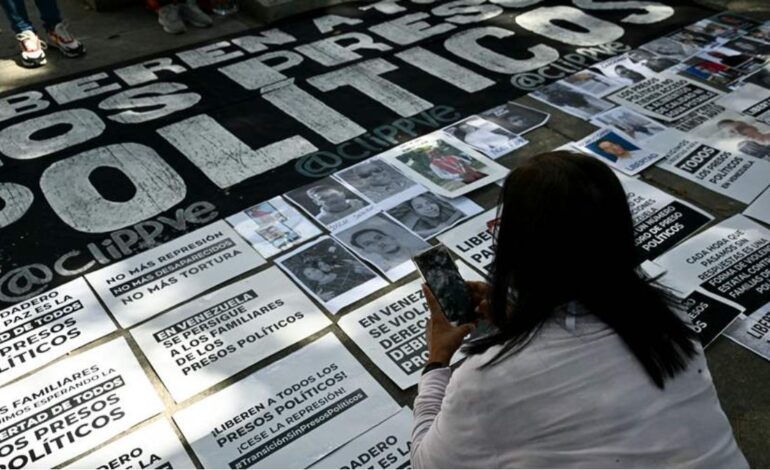

More than 200 political prisoners in Venezuela launched a hunger strike over the weekend, demanding their release under a new amnesty law that many say excludes them. The protest at Rodeo I prison, about 40 kilometers east of Caracas, has drawn renewed attention to the fate of detainees in a country navigating a turbulent political transition.
From outside the facility Sunday, an AFP journalist heard prisoners shouting “Freedom!”, “release us all!” and “Rodeo I on strike.” The hunger strike began Friday night, sparked by inmates’ realization that they would not benefit from the amnesty law approved by congress on Thursday.
Why They’re Striking
The amnesty legislation, part of reforms encouraged by the United States following the January 3 capture of former president Nicolas Maduro, excludes cases involving the military—the most common category at Rodeo I. Terrorism charges are also excluded, leaving many detainees ineligible.
“Approximately 214 people in total, including Venezuelans and foreigners, are on hunger strike,” said Yalitza Garcia, mother-in-law of Argentine police officer Nahuel Agustin Gallo, who is accused of terrorism.
Shakira Ibarreto, daughter of a policeman arrested in 2024, explained: “They decided Friday to go on hunger strike because of the scope of the amnesty law, which excludes many of them.”
A Complicated Law
The amnesty law was engineered by interim leader Delcy Rodriguez under Washington’s pressure after US commandos captured Maduro and his wife on drug trafficking charges. The legislation has drawn criticism from opposition figures who note it appears to include carve-outs for offenses previously used to target Maduro’s political opponents.
While the law excludes members of security forces convicted of terrorism-related activities, it does extend amnesty to approximately 11,000 political prisoners who were paroled or placed under house arrest over nearly three decades. More than 1,500 have already applied.
Small Releases, Ongoing Protest
On Sunday, a handful of inmates were released from Rodeo I, carrying release papers and greeted with applause. Robin Colina, one of the freed prisoners, spoke excitedly into a mobile phone: “I’m out, I love you so much, my queen! I’m doing well.”
Armando Fusil, a 55-year-old police commissioner released Sunday after being “arrested for no reason” in October 2024, described the bond among detainees: “We all help each other. It’s created a beautiful brotherhood.”
The NGO Foro Penal reported 23 releases on Sunday. But for those remaining, the hunger strike continues.
International Attention
The International Committee of the Red Cross visited Rodeo I on Sunday—”the first time they have allowed us to approach that prison,” said Filippo Gatti, the ICRC’s health coordinator for Venezuela. He called it “a first step” toward addressing conditions.
Not all inmates at the facility are participating in the hunger strike, relatives said, but the protest has succeeded in drawing attention to gaps in the amnesty law and the ongoing detention of those it excludes.
A Transition’s Unfinished Business
Venezuela’s political transformation since Maduro’s capture has been dramatic, but the amnesty process reveals its incompleteness. For prisoners excluded from the law’s provisions, the promise of a new era rings hollow. Their hunger strike is a demand to be included in the future their country is building.
As Fusil left prison Sunday, his 40-hour weekly visits from loved ones ended. For others behind the walls, the wait continues—sustained by hope, solidarity, and the refusal to be forgotten.
Also Read:
GCC’s Growing PPP Market: A Secure Opportunity for Long-Term Investors
What the New 10% Global Tariff Means for Businesses and Consumers