



Political Reforms in Focus as Merz Meets Abbas Before Israel Trip
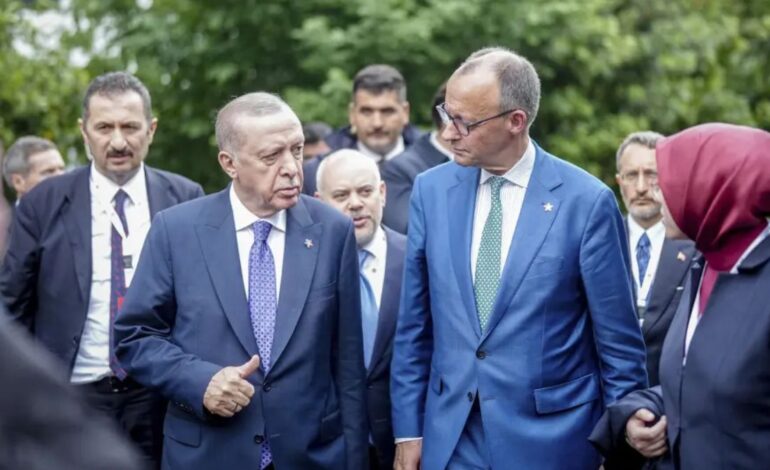

In a deliberate sequence of diplomacy, German Chancellor Friedrich Merz placed a pointed call to Palestinian Authority President Mahmud Abbas early Saturday, just hours before departing for Israel. The conversation, outlined by government spokesman Stefan Kornelius, centered on a clear German demand: the urgent need for reforms within the Palestinian Authority.
Chancellor Merz stressed that these reforms are essential for the Authority to “play a constructive role in a post-war order.” This direct appeal underscores a key European and international priority—ensuring a viable Palestinian governance structure can assume responsibility in Gaza as part of any lasting settlement.
The call also reinforced Germany’s alignment with the U.S.-led peace framework. Merz expressed support for President Donald Trump’s peace plan for Gaza and reportedly welcomed the Palestinian Authority’s cooperative stance toward the deal. This endorsement places Germany firmly behind the American initiative, which views the current fragile ceasefire as merely a first phase.
Merz’s itinerary highlights Germany’s careful balancing act in the region. Following his discussion with Abbas, the Chancellor embarked on a visit that includes a stop in Jordan to meet King Abdullah II before proceeding to Jerusalem. There, he is scheduled to hold talks with Israeli Prime Minister Benjamin Netanyahu and other senior officials, in addition to a planned visit to the Yad Vashem Holocaust memorial.
During the call, Merz reaffirmed Germany’s long-held position that a two-state solution remains the necessary foundation for lasting peace and security for both Israelis and Palestinians. This stance, however, faces significant headwinds. Prime Minister Netanyahu and other Israeli leaders have repeatedly rejected the prospect of an independent Palestinian state. Simultaneously, Hamas, which wrested control of Gaza from the Authority in 2007, has also explicitly ruled out a two-state solution.
Chancellor Merz’s diplomatic push, therefore, arrives at a moment of profound contradiction. The German leader is advocating for reforms meant to strengthen a partner for peace, while that same potential partner is viewed with deep skepticism by the Israeli government Merz is set to meet. The success of his mission—and the international plan it supports—may hinge on bridging this fundamental gap, a challenge that has defined the conflict for decades.
Also Read:
Inside Maduro’s ‘Respectful’ Call with Trump: What It Means for Future Ties