


Opposition Voices Question Fairness of Bangladesh Election

Dhaka is buzzing with rallies, the air thick with campaign promises and simmering tensions. As Bangladesh approaches its February 12 election, the pivotal vote is being overshadowed by a fundamental question: Can an election that excludes a major political force ever lead to stability?
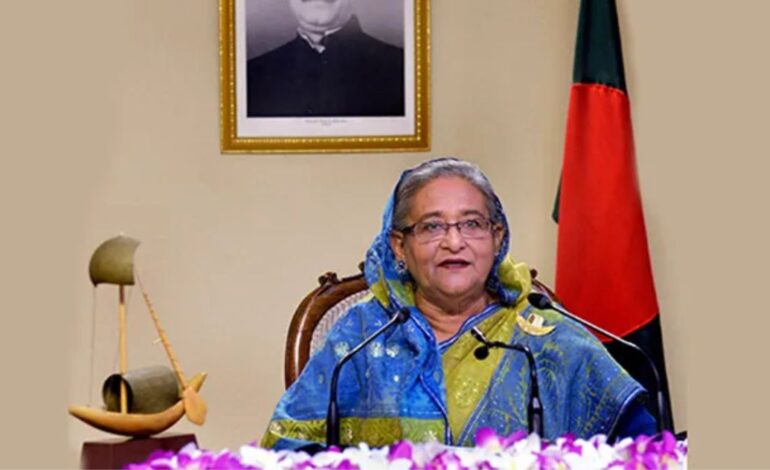
The voice of former Prime Minister Sheikh Hasina, echoing from exile in India, has framed the central critique. Her party, the Awami League, barred from participating, has declared the process fundamentally illegitimate. In a recent communication, she warned that disenfranchising millions of her supporters “deepens resentment” and that “a government born of exclusion cannot unite a divided nation.” Her words strike at the heart of the unease many feel.
This is not just another election. It’s the first since the mass uprising in 2024 that ended Hasina’s 15-year rule, a period marked by both significant development and accusations of authoritarian drift. Now, under the interim administration of Nobel laureate Muhammad Yunus, the country is attempting a reset. Yet, the decision to exclude the Awami League, coupled with a concurrent constitutional referendum on sweeping reforms, has left many wondering if the reset is just another turn in a vicious cycle.
Yunus’s office has promised a secure and fair vote, inviting hundreds of international observers to ensure credibility. Security forces have vowed to prevent coercion. But the concerns run deeper than polling day logistics. They are about the very architecture of the process.
The Shadows Casting Doubt
Since Hasina’s ouster, the landscape has grown increasingly complex. Human rights groups report a worrying failure to protect civil liberties. Journalists face criminal charges, and newspaper offices have been attacked. Minority communities, particularly Hindus, feel vulnerable amid a perceived rise in influence of hardline Islamist groups.
The electoral battlefield now sees the return of the Bangladesh Nationalist Party (BNP), led by Tarique Rahman, after a long political boycott. Their main rival is a coalition headed by the Jamaat-e-Islami, a party that was severely repressed under Hasina. This alignment itself is a stark reminder of the nation’s unhealed political and ideological rifts—rifts that an exclusive election may widen, not mend.
A Cycle That Needs Breaking?
Hasina, dismissing the court that sentenced her to death in absentia as a “kangaroo court,” has made a pointed reflection. She acknowledges that elections under her rule were flawed when parties boycotted them. “I recognize this was far from ideal,” she stated, urging all parties to end this destructive cycle of bans and boycotts. “Otherwise, there will be no redemption.”
Her contention is clear: legitimacy cannot be manufactured through exclusion. A government’s authority, she argues, must spring from “the genuine consent of the people.”
As campaign posters go up and speeches ring out, the people of Bangladesh are left to ponder. The upcoming vote will undoubtedly shape the nation’s trajectory. But the louder question persists: Can a process born from political omission deliver the inclusive stability this vibrant, troubled nation desperately needs to heal its wounds?
The world will be watching on February 12, but the true test will be in the days, months, and years that follow.
Also Read:
Trump Responds to Minneapolis Shooting Criticism, Vows to ‘De-escalate’
Study Shows Nearly 2 Million Soldiers Killed or Injured in Ukraine Conflict