


Why Oil Prices Are Climbing Due to the Ongoing US-Israeli War with Iran
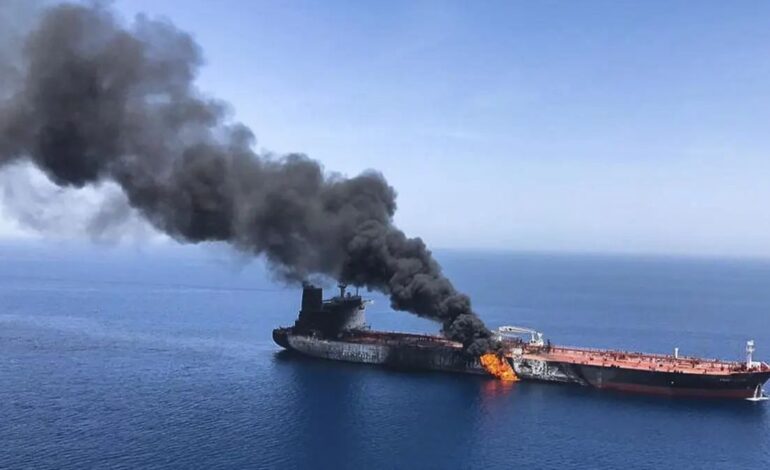

Oil prices are climbing sharply as geopolitical tensions escalate in the Middle East, with the Strait of Hormuz facing closure and global energy markets grappling with significant supply disruptions.
Recent Price Movements
On Monday, Brent crude rose 0.7 percent to $109.76 per barrel, while US West Texas Intermediate crude edged down slightly to $111.28 per barrel. These modest moves masked the dramatic volatility of the previous trading session—Thursday saw WTI surge 11 percent and Brent jump 8 percent, marking the largest absolute price increase since 2020.
The Strait of Hormuz Bottleneck
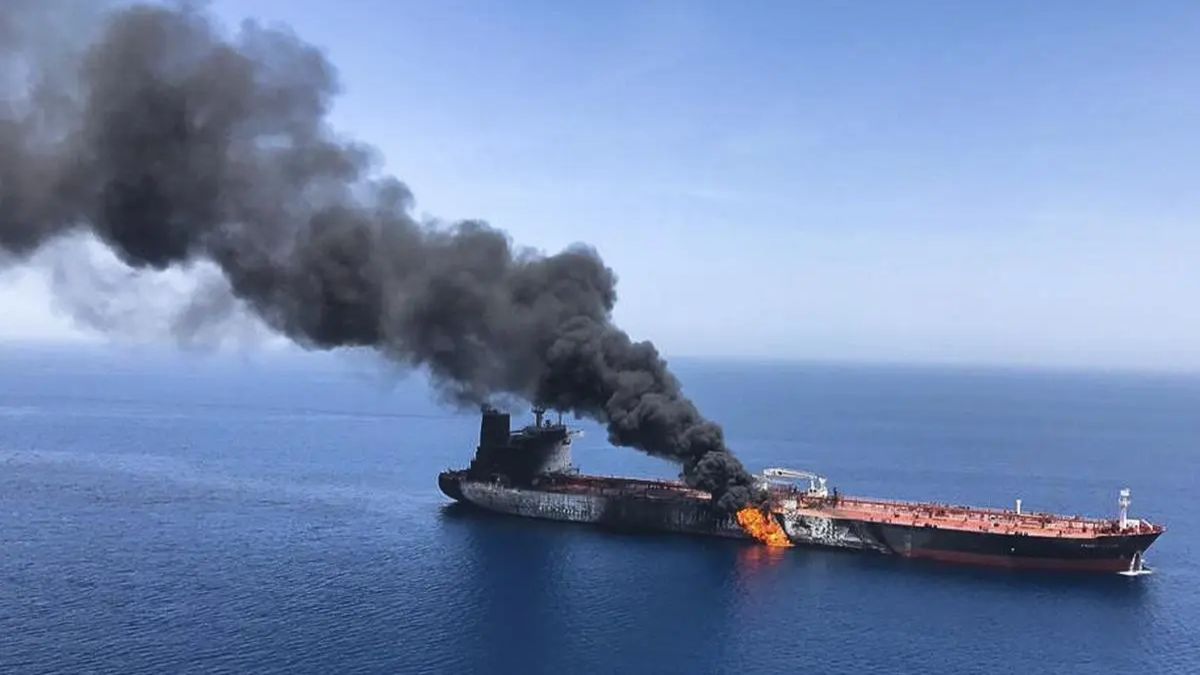
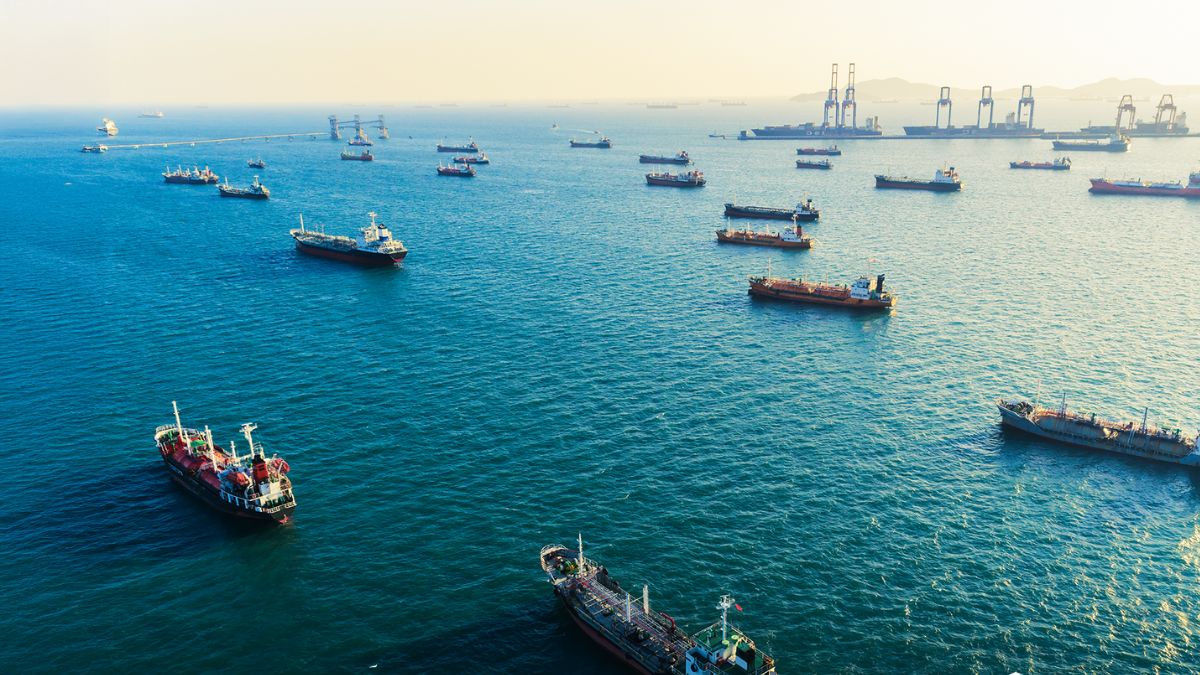
The primary driver of price pressure is the closure of the Strait of Hormuz, a critical shipping passage that handles oil and petroleum products from Iraq, Saudi Arabia, Qatar, Kuwait, and the UAE. Since the war began on February 28, Iranian attacks on shipping have severely restricted passage through this vital waterway.
Trump intensified pressure on Sunday, threatening to strike Iran’s power plants and bridges if the strait remains closed. However, ceasefire discussions between the US, Iran, and regional mediators continue, with reports suggesting talks over a potential 45-day ceasefire that could lead to a permanent resolution.
Political Stalemate
Analysts note the situation extends beyond logistics. “Not being able to open the strait of Hormuz is becoming more a question of political victory,” said Mukesh Sahdev of consultancy XAnalysts. Iran’s approach of selectively allowing vessels from friendly nations suggests the closure reflects strategic calculation rather than absolute military control.
Alternative Supply Sources
Facing Middle East disruptions, global refiners are actively seeking crude from alternative sources, particularly from the North Sea and other non-regional suppliers. This shift helps mitigate supply losses but cannot fully replace the volume normally flowing through the Strait of Hormuz.
Limited OPEC+ Support
On Sunday, OPEC+ agreed to increase output by 206,000 barrels per day for May. However, this decision is largely symbolic—several major producers within the group cannot raise production due to the ongoing conflict or other disruptions, including Russian supply losses from Ukrainian drone attacks on Baltic Sea terminals.
The Uncertain Outlook
With ceasefire negotiations stalled and Iran unwilling to meet with US officials in the coming days, the conflict shows little sign of near-term resolution. Until diplomatic progress materializes, oil markets will remain vulnerable to further price shocks.
Also Read:
Fourth Suspect Arrested by UK Police in Jewish Ambulance Attack Case
Trump Targets Iran’s Bridges and Power Grid: Rising Tensions Explained