



Nigerian Villagers Fear After US Airstrikes Light Up the Night Sky

The night in Jabo village is usually a tapestry of deep blues and quiet stars, broken only by the soft sounds of the rural Nigerian night. But last Thursday, that familiar darkness was ripped apart. For Sanusi Madabo, a 40-year-old farmer, the sound was like a plane crashing. Rushing outside his mud-brick home, he and his wife saw a sight that defied understanding: the sky was glowing a burning, bright red.
“It was almost like daytime,” Madabo recalled, the image seared into his memory. That terrifying light, which burned for hours, was not a celestial event. It was the aftermath of American airstrikes—sixteen precision missiles and drone fire—raining down on what officials called an ISIS camp on the village’s outskirts.
While governments issued statements about “powerful and deadly strikes” and a “new phase of an old conflict,” for the people of Jabo, the event was stripped of political jargon. It was pure, visceral terror.
Confusion and Shaking Walls
Abubakar Sani, who lives on the village’s edge, felt the attack in his bones. “Our rooms began to shake, and then fire broke out,” he said. The intense heat wave that followed the explosions was a physical assault. The panic was universal. Jabo has watched violence creep closer for years, but it had never landed in their own fields until now.
The confusion is layered. Nigerian and American authorities state the strikes targeted foreign ISIS fighters who had infiltrated from the Sahel region, possibly from a group known as Lakurawa. But for villagers, the distinctions between militant groups matter less than the sudden reality of international warfare arriving unannounced at their doorstep.
“We have never experienced anything like this before,” Sani pleaded. “The Nigerian government should take appropriate measures to protect us as citizens.”
A Wedding Overshadowed by Fear
The human cost of this fear is etched in personal plans now thrown into doubt. Seventeen-year-old Balira Sa’idu should be consumed with the joyful anticipation of her upcoming wedding. Instead, she is paralyzed by anxiety. “The strike has changed everything,” she shared. “My family is afraid, and I don’t even know if it is safe to continue with the wedding plan in Jabo.”
Her worry captures the secondary shockwave of such operations: the lingering shadow over ordinary life, where celebration feels impossible under a sky that recently turned to fire.
The Danger in the Debris
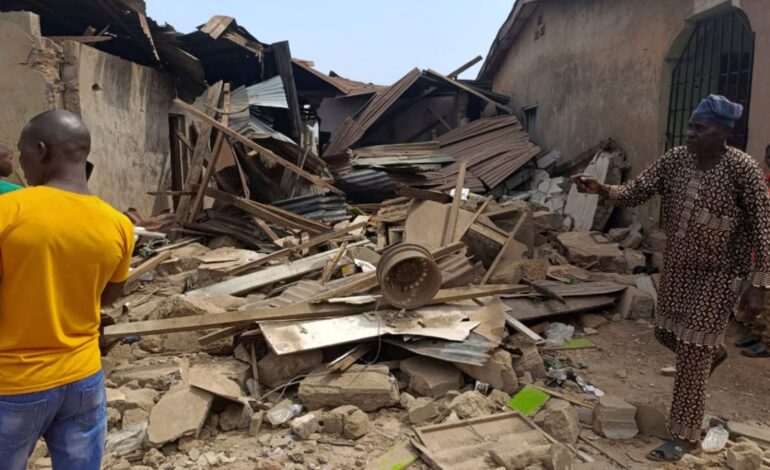
In the aftermath, a new, grimly practical danger emerged. Village leader Aliyu Garba reported that residents rushed to the strike site, scavenging scattered debris for valuable metal to sell. His fear is immediate and tangible—that these pieces could be unstable, could hurt his people. It’s a stark metaphor for the peril left behind when high-tech warfare meets deep poverty.
The Chasm of Information
Security analyst Bulama Bukarti pinpointed the core issue fueling the panic: a profound lack of information. The area remains cordoned off by security forces, leaving a vacuum filled with rumor and dread. “The more opaque the governments are,” Bukarti noted, “the more panic there will be on the ground.”
For the farmers of Jabo, the official talk of “strategic coordination” and “foreign fighters” does little to answer their basic questions. Is it safe? Will it happen again? Who will protect us?
The red has faded from the night sky over Jabo. But the fear it brought remains, a lingering glow of uncertainty for villagers caught between militant threats and a new, terrifying form of international intervention they do not understand. Their nights may have returned to darkness, but peace of mind remains as shattered as the debris in their fields.
Also Read:
King Charles Highlights the Importance of Reconciliation in Christmas Speech
Former South Korean President Faces 10-Year Sentence Demand by Prosecutors