





Nestle Admits Slow Response Ahead of Baby Milk Recall
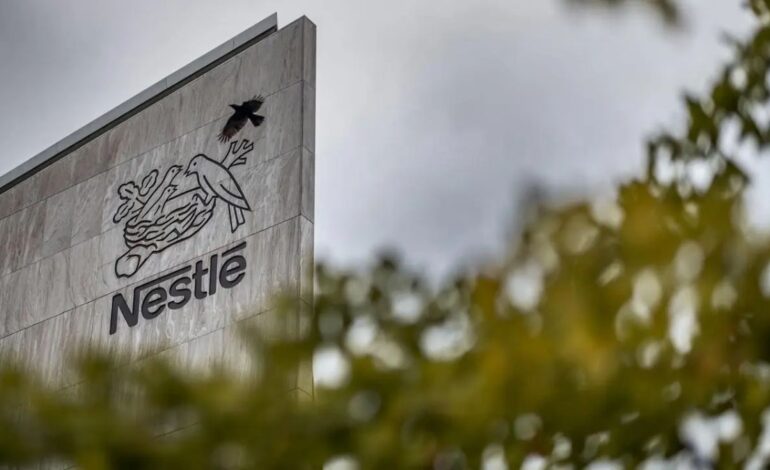

In a matter affecting the most vulnerable consumers, Swiss food giant Nestle finds itself navigating a crisis of both safety and public confidence. The company has acknowledged that it waited for a health-risk analysis before alerting authorities after detecting a potentially harmful toxin in its infant formula—a delay that spanned days and is now under intense scrutiny.
The issue centers on cereulide, a bacterial toxin that can cause vomiting and diarrhea, detected at Nestle’s Dutch factory in late November 2025. According to reports, traces were found around November 25th. However, the first product recalls across 16 European countries were not initiated until early December.
The Timeline and the Tension
Nestle’s open letter, published Friday, outlines its version of events. The company states that routine checks at the end of November revealed “very low levels” of cereulide following the installation of new equipment. With no regulatory maximum limit for the substance, the company says it halted production and launched further tests. Those tests, completed in early December, confirmed minute quantities in products still within the warehouse.
Nestle asserts it informed Dutch, European, and national authorities on December 10 and immediately began a “precautionary recall.” The core of the criticism, leveled by consumer group Foodwatch France, is that the company possessed data suggesting a potential problem for days while it conducted an internal analysis, before regulators and the public were informed.
Denials and a Legal Challenge
Nestle firmly denies accusations of “alarming negligence.” The company insists it acted as soon as it identified a confirmed issue, framing the recall as a proactive measure driven by a “quality issue” rather than confirmed illnesses.
However, this defense is being tested. Foodwatch France has now filed a legal complaint against Nestle on behalf of families whose babies fell ill. The context has grown more grave, as French authorities have opened an investigation into the deaths of two infants in December and January who were thought to have consumed possibly contaminated powdered milk.
Nestle states that “nothing indicates any link” between these tragedies and its products, and notes it has received no medical reports confirming illness from the recalled batches. Yet, the mere existence of these investigations deepens the shadow over the timeline.
The Erosion of Trust
Beyond the legal and regulatory questions, this incident strikes at the heart of consumer trust, particularly for a product category where margins for error are zero. Nestle has expressed recognition of the “stress and worry” caused for parents—a necessary but insufficient step for many.
The central dilemma for the public is one of transparency versus process. Companies understandably seek to verify facts before causing alarm. But when infant health is involved, does the burden shift toward immediate notification, letting regulators help oversee the risk assessment?
Nestle’s measured, procedure-driven response is now colliding with a public expectation of utmost caution and instantaneous disclosure where babies’ health is concerned. The delay, however brief it may seem in corporate terms, has opened a rift of doubt.
A Precedent in the Making
As investigations continue, this case will likely fuel broader debates about food safety protocols, regulatory reporting requirements, and the pace at which companies must move when potential risks emerge in children’s products. The outcome will resonate far beyond this single recall, influencing how trust is rebuilt—or forever fractured—between multinational food corporations and the families they serve.
Also Read:
Americans May Soon Visit Venezuela as Flights Set to Resume, Says Trump
Extreme Winter Conditions Hit Russia with Snowfall Not Seen in 200 Years