


Rusana Joseph Waryoba: A Banker Working Across Africa, the Gulf and Global Markets


In a global financial system increasingly shaped by regulation, cross-border trade and geopolitical change, banking leaders with experience across multiple regions are becoming more prominent. One such figure is Rusana Joseph Waryoba, a Tanzanian banker whose career has developed at the intersection of African finance, Middle Eastern trade corridors and international banking standards.
Born in Tanzania in 1984, Waryoba entered the banking sector in 2009, shortly after the global financial crisis. It was a period marked by tighter controls, increased regulatory oversight and a renewed focus on institutional stability. His early career concentrated on trade finance, compliance and risk management, areas that are often less visible but central to the functioning of international banking.
Education and Professional Development
Waryoba later pursued advanced studies in banking and finance in Geneva, earning a master’s degree and complementing his academic training with professional programmes from institutions including the World Bank Group, the International Monetary Fund, and the New York Institute of Finance. His training covered a wide range of disciplines, from investment and wealth management to Islamic finance, infrastructure funding and financial regulation.
This broad professional foundation allowed him to operate in banking environments that span both emerging and established markets, where regulatory expectations and financial risks can differ significantly.
Leadership Role
Waryoba currently serves as Group Chief Executive Officer and Managing Director of Exim Credit Bank (ECB). In this role, he is responsible for setting the bank’s strategic direction, overseeing governance and compliance, and managing its international operations.
ECB’s activities have focused largely on trade finance, correspondent banking and development-oriented financial services, supporting businesses involved in cross-border commerce. According to industry observers, the bank’s approach under Waryoba has prioritised institutional controls, long-term sustainability and regulatory alignment over rapid expansion.
Based in the Gulf, Linked to Africa
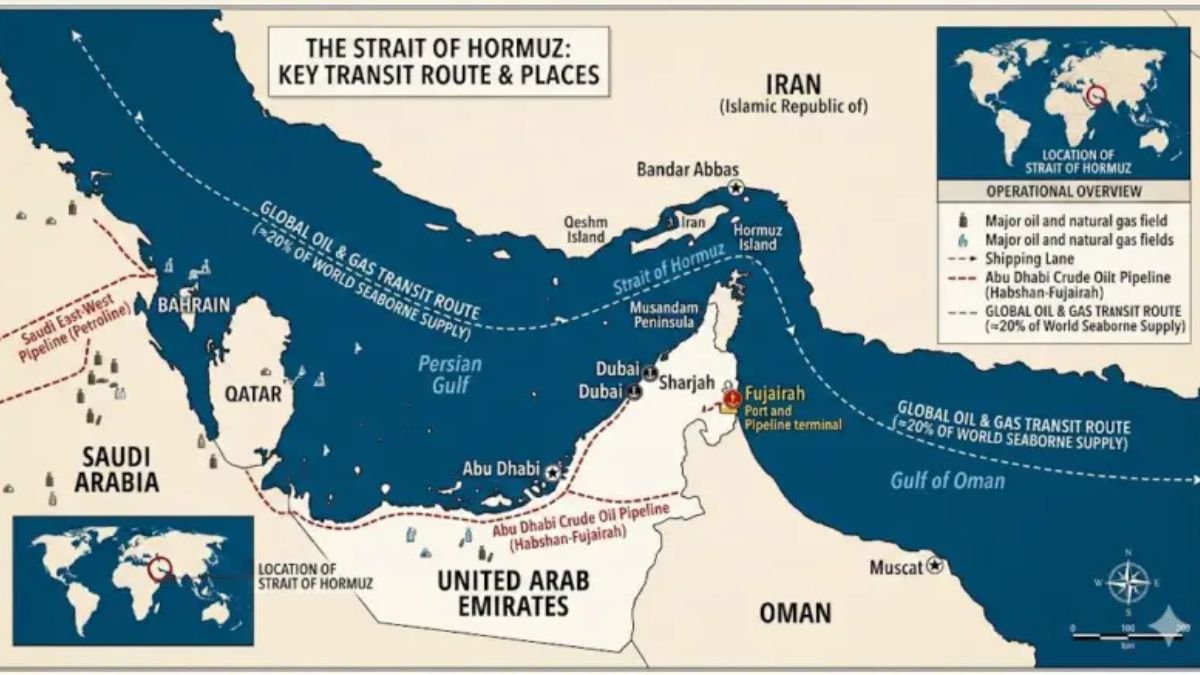
Now resident in the United Arab Emirates, Waryoba operates from a region that has become a key hub for trade between Africa, Asia and Europe. The Gulf’s role as a financial and logistics centre has grown in recent years, particularly as African economies seek greater access to global markets.
In addition to his banking responsibilities, Waryoba has business interests across several sectors, including financial services, insurance, shipping, energy, aviation, media, construction and real estate-related services. The range of these activities reflects a broader trend among financial executives who view banking as closely tied to real-economy industries.
A Cautious Approach to Growth
Those familiar with his work describe Waryoba’s leadership style as methodical and systems-focused. His public positions have often highlighted the importance of financial inclusion, support for small and medium-sized enterprises, and strong compliance frameworks, particularly in regions where access to formal finance remains uneven.
As global banks face continued pressure from regulators, technology-driven change and shifting trade patterns, careers such as Waryoba’s illustrate a quieter model of leadership—one shaped less by disruption and more by continuity, governance and cross-border connectivity.
In a financial world defined increasingly by complexity, his work reflects the growing importance of institutions and individuals able to operate across regions, regulations and economic systems.
Also Read:
Irena Gjini: Turning Resilience into Purpose and Building a Brand Born from Courage