




Morocco Rolls Out Emergency Aid as Harsh Winter Weather Hits Rural Areas
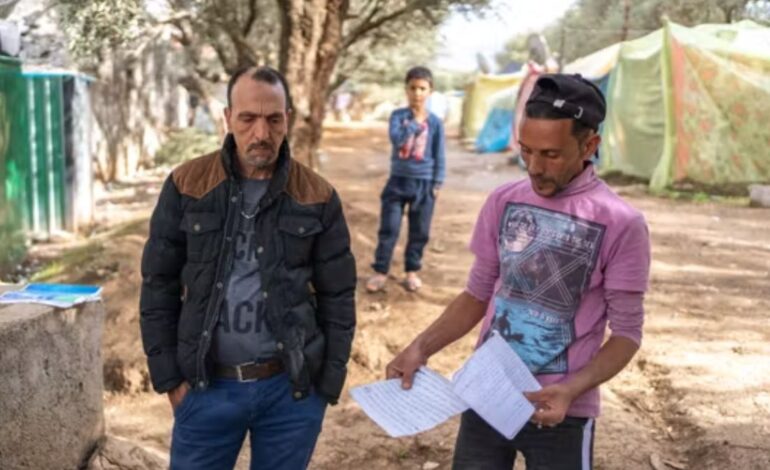

After seven long years of punishing drought, Morocco is now facing the other extreme of the climate crisis: a harsh and unforgiving winter. This week, the government launched a major nationwide emergency operation to assist tens of thousands of families battered by freezing temperatures, heavy snowfall, and catastrophic rainfall.
The sudden shift from severe drought to severe winter storms highlights the volatile new reality of weather patterns, challenging both rural communities and national response systems.
A Nation Reeling from Contrasts
The urgency of the relief effort was underscored by tragedy just days ago. In the coastal province of Safi, torrential rains triggered flash floods, killing 37 people. The floods damaged dozens of homes and businesses in the historic old town, swept vehicles away, and severed critical roads. This devastating event served as a grim prelude to the broader winter crisis now unfolding.
Now, the threat comes from the cold. Weather alerts have been raised across the country. A red alert is in effect for the High Atlas mountains, where up to 80 centimeters (31 inches) of snow is forecast. Much of central and northern Morocco is under an orange alert for intense rainfall. In mountain towns like Ouarzazate, snow is already half a meter deep, with nighttime temperatures plunging below freezing.
Mobilizing a National Response
Facing these dual challenges of flood recovery and winter survival, authorities have activated a targeted relief plan. The operation aims to reach approximately 73,000 households across 28 of the hardest-hit provinces. The core assistance includes vital supplies of food and blankets—simple yet critical resources for families isolated by snow or recovering from flood damage.
For rural, mountainous communities, such weather is more than an inconvenience; it is a direct threat to life and livelihood. It can cut off villages from access to markets, healthcare, and fuel, trapping residents in their homes amid the cold.
The Climate Paradox
This crisis presents a stark climate paradox. Just last year, Morocco was grappling with depleted reservoirs and a profound water shortage after nearly a decade of drought. Now, the same regions are battling an overabundance of water, falling as destructive rain and isolating snow. This whiplash effect—increasingly common globally—strains infrastructure and highlights the need for adaptive strategies that manage both water scarcity and surplus.
The emergency aid rollout is a crucial immediate step, providing a lifeline to vulnerable households. However, it also points to the longer-term necessity of bolstering rural resilience. This includes reinforcing infrastructure against floods, ensuring mountain communities have reliable access during winter blockages, and managing water resources to capture precious rainfall from these intense storms for the drier times that will inevitably return.
As trucks laden with supplies make their way into snowy provinces and crews work to repair flood-damaged roads, the people of Morocco are weathering another extreme. Their experience stands as a powerful reminder of the complex and costly challenges nations now face in an era of climate disruption, where the greatest challenge may be preparing for everything at once.
Also Read:
Top 10 Global CEOs Driving Digital Transformation
Spain Fines Airbnb €64 Million for Listing Banned Rental Properties