





Millions of Indian Girls Out of School as Enrollment Efforts Struggle
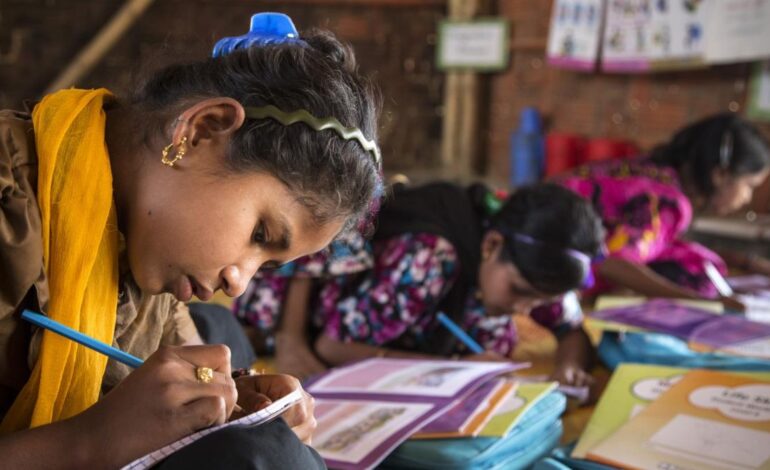

Priyanka Sau once dreamed of graduating and enrolling in a computer course. Today, at 15, she works as a cleaner in a Delhi housing complex. Her family’s move from Uttar Pradesh after her father lost his job ended her education. Her marriage has been arranged. “For me, there was no option,” she says.
Priyanka’s story is not an isolated tragedy. She is one face of a staggering national crisis. Recent government data reveals that 6.57 million Indian children dropped out of school between 2019 and 2025. Nearly half—almost 3 million—were adolescent girls. In populous states like Uttar Pradesh, girls constitute more than half of the nearly 100,000 dropouts in the current academic year alone.
Why Are Girls Disappearing from Classrooms?
Experts point to a confluence of crushing pressures that pull girls from their studies:
- Poverty & Labor Migration: Post-pandemic job instability forces families to migrate. Girls often become supplemental earners, their education sacrificed for immediate income.
- Child Marriage: For many families, marriage is seen as the only secure future for a daughter, cutting her schooling short.
- Inadequate Infrastructure: The Right to Education Act guarantees free schooling only until age 14. For older girls, especially in rural areas, secondary schools are often too distant, and safety concerns deter parents from allowing the commute.
- Domestic Responsibilities: Girls are frequently expected to shoulder caregiving and household duties, leaving no time for school.
A Systemic Failure
Child rights advocates call the data “alarming,” highlighting a systemic failure to adapt social protections to local realities. Dr. Purujit Praharaj of India Child Protection notes a critical legal gap: education is not compulsory for children aged 15-18. He argues for expanding this right and building residential schools for girls in remote areas to ensure safe, continuous learning.
Dr. Kriti Bharati of Saarthi Trust emphasizes a breakdown in community responsibility. “When teachers come to know that some girls have dropped out, they should find out why… This is their social responsibility.” She reminds us that a developed society is measured not by its roads or space missions, but by its care for the poor and its commitment to educating all its people.
The Path Forward
The solution requires a multi-layered response:
- Strengthening Legal Frameworks: Extending the right to free and compulsory education to all children under 18.
- Building Safe Infrastructure: Creating networks of residential schools and hostels for girls in underserved regions.
- Community Intervention: Empowering teachers and local officials to track dropouts, understand their circumstances, and connect families with support.
- Economic Support: Addressing the root causes of poverty and migration that make a girl’s labor or marriage a financial necessity for her family.
The dreams of millions of girls like Priyanka are being deferred, often permanently. Their potential, a vital resource for the nation’s future, is being lost to labor, marriage, and migration. Bridging this gap is not merely an educational goal—it is a fundamental test of India’s commitment to equity and progress. The time for intervention is now, before another generation of potential is left behind.
Also Read:
White House Says US Military Is Always an Option as Trump Discusses Greenland
Russia Deploys Submarine to Escort Tanker Sought by US Near Venezuela