





Top 10 Impactful Leaders to follow in 2026
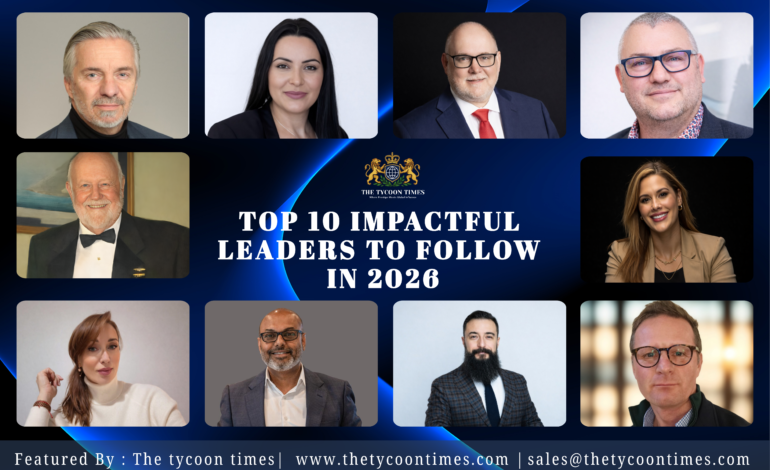

As we move toward 2026, leadership is being reshaped by unprecedented global complexity. Rapid advances in artificial intelligence, digital transformation, geopolitical shifts, and evolving societal expectations are redefining what it means to lead with impact. In this environment, success is no longer measured by growth alone, but by the ability to think systemically, act responsibly, and build organizations that remain resilient amid constant change.
The leaders featured in this Top 10 Impactful Leaders to Follow in 2026 list represent this shift. Spanning industries such as technology, finance, cybersecurity, hospitality, aviation, media, and global intelligence, each individual exemplifies a leadership style rooted in purpose, strategic clarity, and human-centered execution. They are not only responding to the future—they are actively shaping it by building platforms, cultures, and frameworks designed for long-term relevance and sustainable influence.
Top 10 Impactful Leaders to Follow in 2026
Below is the list of the top 10 best Impactful Leaders , presented by The Tycoon Times, who are planning on making an impact in 2026! Let’s learn about them below:
1. Giordano Righi: Shaping the Future of Work Through Ethical AI and Human-Centered Leadership

Giordano Righi stands at the intersection of artificial intelligence, human capital, and future-ready leadership. With more than 27 years of experience in specialist recruitment and business development, he has built a career defined by foresight, adaptability, and measurable impact. As the Founder and CEO of Liberty Morgan, Giordano Righi leads a next-generation recruitment and consulting firm specializing in digital transformation, energy transition, and AI-driven talent strategies. His work goes far beyond traditional recruitment—he is redefining how organizations attract, develop, and empower talent in an era shaped by exponential technological change.
A serial entrepreneur, AI specialist, futurist, speaker, and writer, Giordano Righi is widely recognized for his thought leadership on the future of work and cognitive evolution. As a certified AI coach, he explores how human intelligence and AI-agent workforces can coexist, collaborate, and scale together ethically and effectively. His expertise spans AI strategy, human capital transformation, ethical innovation, and leadership in AI-driven environments. Through Liberty Morgan, he has partnered with multinational enterprises, high-growth startups, and elite organizations to implement forward-looking recruitment models and workforce strategies that balance performance with purpose.
What truly sets Giordano Righi apart is his commitment to ethical AI and community-oriented leadersip. He is a vocal advocate for responsible AI adoption, equitable access to future-focused skills, and AI literacy as a fundamental leadership capability. Through mentorship, public speaking, and global initiatives, he empowers emerging leaders to navigate complexity with empathy, interdisciplinary thinking, and strategic clarity. Recognized as one of the 10 most impactful leaders to follow in 2026, Giordano Righi is not only shaping what organizations build—but how they lead, connect, and uplift people in the age of intelligent systems.
2. Lusine Aghajanyan: Advancing Maritime Leadership Through Decision Intelligence

Lusine Aghajanyan is a strategist and transformation leader with more than fifteen years of experience across the global maritime industry. Her career spans ship operations, financial management, and executive leadership within highly complex and international environments. Beginning in traditional ship management, Lusine developed a deep understanding of how large-scale maritime organizations function under pressure, regulatory constraints, and constant operational risk. Over time, her work evolved beyond execution into analytics, systems thinking, and strategic inquiry—driven by a fundamental question: how decisions are made, who they truly serve, and how intelligence can enhance human judgment rather than replace it.
Today, Lusine is fully dedicated to advancing the maritime sector through decision intelligence—a discipline that integrates human, cognitive, collective, and artificial intelligence into practical, ethical, and accountable organizational frameworks. Rather than viewing AI as a standalone technological solution, she positions it as part of a broader ecosystem of intelligence that supports clarity, responsibility, and better decision-making at every level of an organization. Her approach emphasizes structure and transparency, ensuring that insight flows to the people who need it most, enabling leaders and teams to act with confidence, context, and purpose in increasingly complex operational environments.
At the core of Lusine Aghajanyan’s work is care—for people, for systems, and for the long-term sustainability of the industry. She focuses on translating both business objectives and human needs into usable intelligence, then returning that intelligence to organizations in ways that foster learning, professional growth, and depth of understanding. As artificial intelligence continues to reshape maritime operations, Lusine advocates for a human-centered path forward—one where technology strengthens responsibility rather than diluting it, and where progress is measured not only by efficiency, but by the quality of decisions and the people empowered to make them.
3. Thomas Stedham: Decoding Complex Systems for Real-World Decision-Making
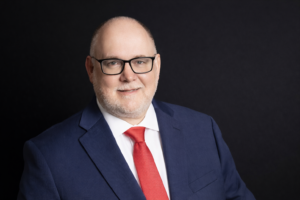
Thomas Stedham brings more than two decades of frontline experience from one of the most complex and least understood systems in American government: Medicaid. As Associate Director with the Alabama Medicaid Agency, he oversaw multiple district offices and statewide operational functions spanning eligibility policy, medical and quality review, hearings and appeals, liens and estate recovery, and technical support. Operating at the intersection of law, finance, medicine, and human behavior, Stedham worked where policy theory collides with operational reality—gaining rare insight into how large institutions truly function under pressure.
Through this experience, Stedham came to a defining realization: large systems rarely fail because of bad actors, but because of misaligned incentives, hidden information, and decision-making detached from real-world consequences. Since retiring from public service, he has dedicated his work to translating these hard-won lessons into clear, practical guidance for leaders navigating complex environments. His approach favors realism over ideology, focusing on how institutions actually behave rather than how we wish they would—offering leaders tools grounded in accountability, risk awareness, and operational truth.
Today, Thomas Stedham leads an independent consulting, speaking, writing, and media platform centered on systems design, institutional decision-making, and durable governance. Through advisory engagements, keynote presentations, podcasts, and his forthcoming book, he helps executives, policymakers, and organizations replace confusion with clarity—and good intentions with outcomes that hold up in the real world. His work equips leaders to see complexity clearly, act responsibly, and design systems that perform not just on paper, but in practice.
4. Greg Harman: Driving the Future of Film and Television Through AI-Powered Story Intelligence

Greg Harman is the Co-Founder, Product Visionary, and Chief Executive Officer of Scriptsee, an AI-powered analytics platform that is transforming how film and television projects are developed and planned. With more than 25 years of experience spanning production, animation, and technology, Greg leads Scriptsee’s product vision and strategic direction, enabling studios, producers, and writers to gain rapid clarity on story structure, creative complexity, and production risk. His work empowers decision-makers to move faster and with greater confidence during the critical pre-production phase.
Before launching Scriptsee, Greg co-founded and led Mechanic Animation for 13 years, overseeing the delivery of 18 internationally broadcast television series. His portfolio includes globally recognized Marvel titles such as Avengers Assemble, Spider-Man, and Guardians of the Galaxy. Through this work, Greg built a reputation for combining creative leadership with large-scale production execution, managing complex teams and workflows while consistently delivering high-quality content for global audiences.
Positioned at the intersection of storytelling and digital transformation, Greg Harman continues to shape the future of content creation through responsible, insight-driven AI. A member of the International Academy of Television Arts and Sciences, he works closely with studios and partners worldwide to integrate advanced analytics into creative decision-making without compromising artistic integrity. Through Scriptsee, Greg is redefining how stories are evaluated, planned, and brought to life—bridging creativity, technology, and strategic foresight in an evolving entertainment landscape.
5. Guy Thomas: The Architect of Satellite AIS and Global Maritime Awareness

Guy Thomas is a pioneering force in global maritime security and space-based surveillance, best known as the inventor of Satellite Automatic Identification System (S-AIS) and the creator of C-SIGMA (Collaboration in Space for International Global Maritime Awareness). His work directly instigated and became the foundation of Implementation Task #1 of the 2010 U.S. National Space Policy. His work has permanently transformed how nations monitor, secure, and understand who is where on the world’s oceans. Although widely recognized today as an inventor and thought leader, Thomas’s journey began deep inside the operational intelligence core of the U.S. military, where he emerged as a leader in the historic transition from analog to digital mission systems.
Across 23 years in the U.S. Navy, Guy Thomas rose from deck-force seaman to cryptologist and signals-warfare officer, operating in combat and in some of the most hostile environments of the Cold War. He led intelligence operations aboard surface ships and submarines, and logged more than 2,000 hours in unfriendly airspace aboard six different U.S. Navy and U.S. Air Force reconnaissance aircraft, leading the mission-systems acceptance testing and operational evaluation of the first two aircraft to rely on computers for primary mission execution—the Navy’s EP-3E and the Air Force’s RC-135W Rivet Joint Block III—earning the unique authorization to wear both U.S. Navy and U.S. Air Force wings simultaneously. He subsequently became one of the Navy’s first 24 designated space-cadre officers, making him the first quadruple-qualified officer in Navy history. His operational intelligence career culminated in undercover FBI work as a civilian that resulted in the capture of 23 foreign spies.
Following his Navy retirement in 1988, Thomas continued shaping national and global security from the highest technical and strategic levels. He helped lead upgrades to Air Force One’s communications systems, spent nine years in classified R&D at Johns Hopkins University Applied Physics Laboratory, serving in five Fleet Battle Experiments while there—and served as the U.S. Science & Technology Advisor for Maritime Domain Awareness from 2003 to 2012, later returning to government service as the Department of Homeland Security’s subject-matter expert for unclassified Earth-observation systems.
His research at the Naval War College while on loan from Johns Hopkins APL, directly responding to President George W. Bush’s order, literally on 9/11, to assess U.S. vulnerability to maritime terrorism and develop means to mitigate them, lead to the creation of S-AIS and, later, C-SIGMA, as well as the original US National Strategy on Maritime Security and US National Strategy on Maritime Domain Awareness.
A Distinguished Graduate of the Naval War College, Thomas is a graduate of the University of San Francisco, and holds a dual MBA/MS in Computer Information Systems (honors)and has received some of the highest honors in the field, including the Space Foundation Lifetime Achievement Award, the DHS Distinguished Career Service Award, and a recent nomination for the U.S. National Medal for Technology and Innovation. Today, he continues to advise NATO, write influential works on maritime security, and advocate for global collaboration in space-enabled maritime awareness—while, alongside his wife Clelia, operating the award-winning Wilson House Bed & Breakfast in Baltimore, Maryland.
6. Adriana Martinez: Building Disciplined, Values-Driven Growth in Aviation

Adriana Martinez is a business leader, founder, and strategic operator with more than 14 years of executive and operational leadership experience in highly regulated aviation environments. She is the Founder of Nova HR Synergy, an aviation-aligned advisory firm supporting operators and MROs with workforce strategy, compliance, payroll governance, and scalable operating systems. Known for building disciplined growth infrastructures, Adriana partners with executives to design practical, compliant frameworks that allow organizations to scale responsibly while meeting complex regulatory, operational, and financial demands. Her leadership approach reflects a modern understanding of how aviation businesses operate today—balancing efficiency, accountability, and long-term sustainability.
In addition to her role as founder, Adriana serves as Vice President of Human Resources for an FAA-certified MRO, where she oversees enterprise HR strategy, labor compliance, and workforce planning within maintenance and repair operations. She also holds leadership responsibility across Part 135 charter aviation, supporting organizations with DOT and FAA compliance, payroll modernization, and operational readiness. As a verified consortium Third-Party Administrator (TPA), Adriana works closely with aviation operators to manage DOT-compliant programs with precision, audit defensibility, and operational clarity. Her work consistently bridges HR, compliance, finance, and executive leadership, transforming regulatory obligations into structured, growth-enabling systems.
Beyond her professional responsibilities, Adriana is deeply committed to workforce access and opportunity. Through Nova HR Synergy, she dedicates personal time to providing pro bono career support to individuals seeking employment, including resume development, interview preparation, and coaching—services she offers freely despite their significant market value. She holds a Bachelor’s degree in Pre-Law and a Master of Business Administration (MBA), and her leadership is firmly values-driven and faith-led, grounded in integrity, service, and accountability. Adriana’s philosophy reflects a broader conviction that strong aviation businesses—and strong economies—are built where discipline, people, and integrity intersect.
7. Ekaterina Leonova: Driving Global Growth in AI-Powered Cybersecurity and Technology Sales

Ekaterina Leonova’s leadership is built on a rare and powerful convergence of disciplines. By fusing the structural precision of an Engineering degree with the strategic acumen of Finance & Banking Management, she has cultivated a mindset where technical complexity meets commercial viability. Now, as she completes her MBA, she is adding the final layer of executive mastery to her profile—capabilities she directly applies as Sales Director at SCOPD LLC.
This unique academic triad, enriched by a vast portfolio of specialized certifications, empowers her to not only drive the global expansion of AI-powered cybersecurity platforms but also to advocate for a safer digital future. Through her thought leadership initiative, #CyberKate, she transforms deep industry knowledge into accessible education on cyber resilience, proving that true innovation happens when technical expertise is fueled by a commitment to global awareness. In her current role, she champions SCOPD’s advanced platform, which integrates Insider Threat Prevention, Data Loss Prevention, User Behaviour Analytics, SIEM, XDR, and Anti-Phishing simulation solutions—positioning the company at the forefront of modern cyber defense.
Prior to joining SCOPD LLC, Ekaterina served as a Program Lead in the FinTech sector, where she successfully managed technology-driven initiatives at the intersection of financial services and innovation. Her ability to translate complex technical capabilities into clear business value enabled her to deliver measurable outcomes in fast-paced, highly regulated environments. She has also contributed to the development of pharmaceutical technology solutions, further demonstrating her adaptability and leadership across diverse industries within the broader IT ecosystem.
Earlier in her career, Ekaterina spent 12 years in the telecommunications sector, where she embraced her first management role. This period was instrumental in shaping her leadership DNA, as she simultaneously honed her hard and soft skills while cultivating deep self-discipline. Most importantly, it was here that she adopted a permanent growth mindset—a philosophy that fueled her ability to drive sales performance, expand market presence, and build lasting client relationships in a rapidly evolving industry. This formative experience sharpened the commercial acumen and strategic vision that guide her today. Known for her agility, insight, and global perspective, Ekaterina’s consistent success across cybersecurity, FinTech, pharmaceuticals, and telecommunications reflects a results-driven professional dedicated to innovation, trust, and creating safer digital environments worldwide.
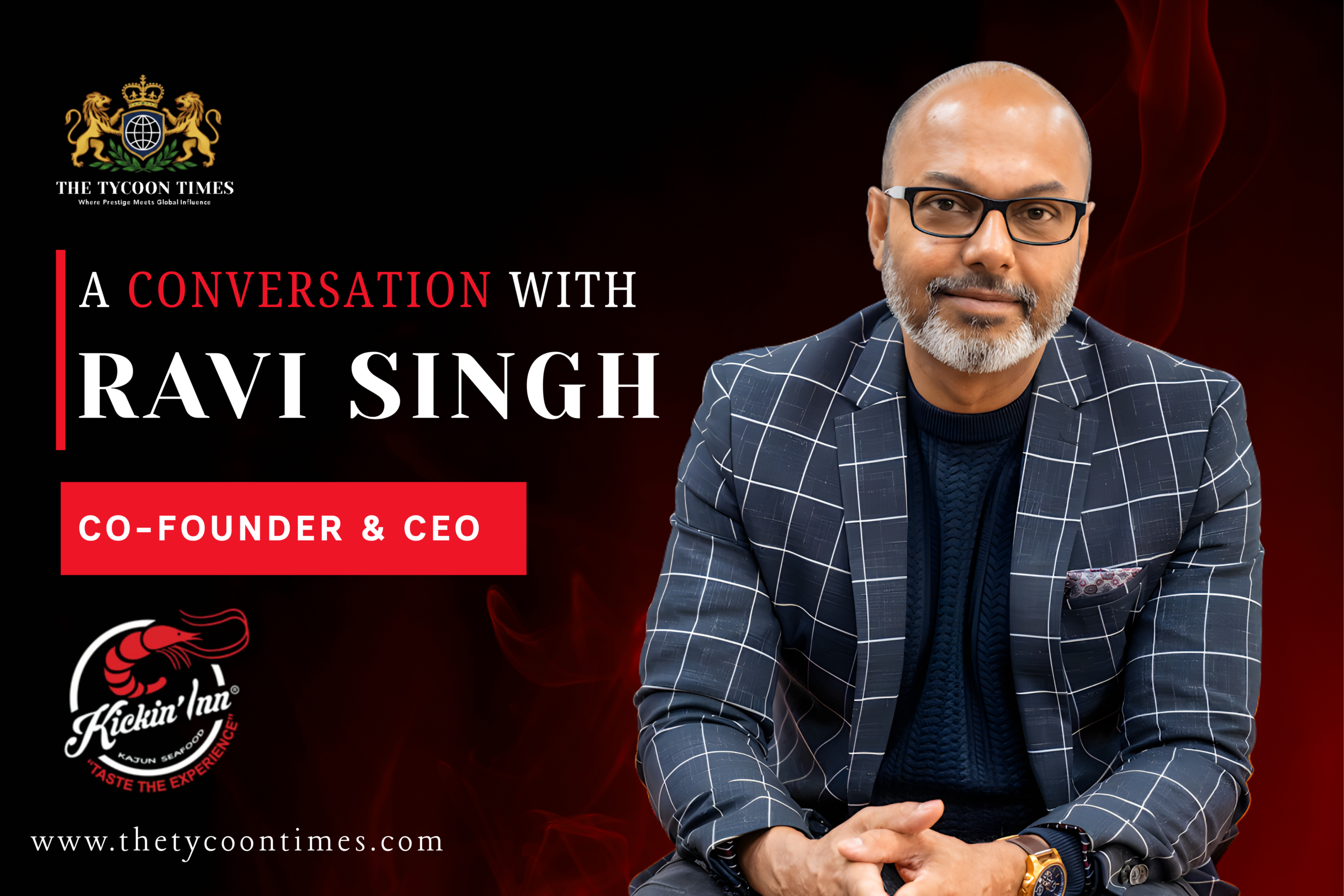
8. Ravi Singh: The Intellectual Architect Behind a Culture-Led Hospitality Movement
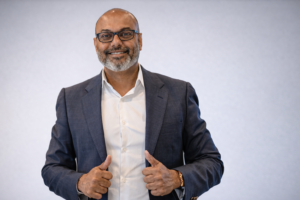
Ravi Singh stands out as one of the most impactful leaders to follow in 2026 because he is unequivocally the intellectual force behind the brand he built. As CEO and Co-Founder of Kickin’Inn, Singh transformed a single idea into a fully realised national brand in just seven years—guiding it through a deliberate, disciplined growth journey that has attracted millions of loyal followers and fans. What began as a concept has evolved into a platform: one built on cultural clarity, operational discipline, and an unwavering focus on customer connection. Rather than relying on short-term hype, Kickin’Inn has scaled through thoughtful, organic interventions—consistently achieving around 10% organic growth while opening four to six restaurants annually. This rare balance between brand integrity and scalable execution reflects a leader who understands longevity, not just expansion.
What truly differentiates Ravi Singh is the depth of his intellect and the precision of his leadership philosophy. With global exposure—including living and working in the Middle East—he brings an international lens to Australian entrepreneurship, informed by diverse markets, cultures, and consumer behaviours. Singh is acutely aware that sustainable growth is driven by people, not systems alone, and this belief is embedded in his clearly defined four verticals: People, Sales, Profit, and Community. These pillars guide decision-making across the organisation and position culture as a strategic engine rather than a by-product of success. Through this framework, Kickin’Inn has modernised its core—where digital capability, brand strength, and customer engagement intersect to create scale, resilience, and long-term sustainability. Singh’s leadership model places human capital at the centre of commercial performance, turning alignment, purpose, and shared ownership into competitive advantages.
Looking ahead, Ravi Singh’s vision is both ambitious and grounded in long-term thinking. With a clear roadmap to reach 50 restaurants by 2030, he has confidently reinstated his pre-COVID aspiration of 100 restaurants by 2035, positioning the business on a trajectory toward projected revenues exceeding $150 million annually and a longer-term pathway to becoming a billion-dollar global hospitality brand. Recently invited to pursue a PhD in philosophy and business, Singh is formalising a career-long commitment to blending academic rigour with real-world entrepreneurship. Widely recognised across global business circles and media platforms for his insights on markets, leadership, and execution, Ravi Singh is often regarded as a guru of entrepreneurship—not for rhetoric, but for results. His journey demonstrates how ideas evolve into brands, brands into platforms, and platforms into enduring enterprises. In doing so, he represents a new generation of Australian founders: intellectually driven, people-focused, and committed to building not just a business, but a lasting legacy.
9. Lorenzo Bizzi: Strengthening Compliance and Governance in Europe’s Digital Financial Era

Lorenzo Bizzi is a compliance expert and former officer of the Italian Navy whose career spans international banking, financial institutions, and the rapidly evolving fintech ecosystem. Over the years, he has served as Head of Compliance and Anti-Money Laundering (AML) across multiple organizations, playing an active role in the development and structural growth of major Italian businesses, including contributing as a co-founder in several initiatives. His background combines operational discipline with strategic oversight, enabling him to navigate complex regulatory environments with clarity and precision.
In recent years, Bizzi has emerged as a key figure in the European fintech landscape, particularly in supporting operational launches and organizational strengthening. This trajectory led him to establish his own consulting firm, LaunchBiz, with a clear mission: to help companies manage regulatory compliance through a practical, business-oriented approach. Through LaunchBiz, he supports startups and established institutions alike in aligning innovation with regulatory expectations, ensuring that compliance becomes an enabler of growth rather than a barrier.
Bizzi’s expertise spans compliance strategy, regulatory analysis, project management, and the implementation of governance frameworks essential for launching or reinforcing financial entities. Notably, he has been instrumental in introducing the role of contracted AML managers into the national context, helping organizations meet regulatory obligations with flexibility and effectiveness. Alongside his professional work, he remains deeply committed to promoting compliance in the digital age through academic and educational initiatives, contributing to the development of a more informed, responsible, and resilient financial ecosystem across Europe.
LINKEDIN | WEBSITE | INSTAGRAM
10. Jan Lorenc: Redefining Global Finance Through Transparency, Resilience, and Innovation

In 2007, Jan Lorenc packed his bags in Prague and moved to Dublin—arriving just as the foundations of the global financial system began to fracture. It was a turbulent entry point into international finance, but one that proved profoundly formative. Today, as CEO of CurrencyFair, Jan leads with a clear mission: to redefine how capital moves in a globalized world. Over the past year, his focus has been on scaling CurrencyFair’s strategic footprint, guiding a period of rapid international expansion across its dual-audience platform. Whether enabling high-stakes liquidity for corporate treasurers and CFOs, or providing a vital financial bridge for individuals sending money across borders, his leadership is anchored in a single principle—making cross-border finance seamless, transparent, and fundamentally fair.
Jan’s career has unfolded in what he describes as the “engine room” of finance, navigating the complex realities of treasury operations, FX trading, and card acquiring. These roles were more than professional milestones; they offered a deep education in how financial systems function under pressure—and how quickly they fail when transparency and agility disappear. The 2008 global credit crash became a defining moment in his journey, reinforcing a lasting conviction that traditional systems are not infallible and that opacity comes at a human cost. This experience continues to drive his commitment to blockchain and next-generation payment infrastructure. For Jan, blockchain is not a buzzword—it is the foundational plumbing of the future, capable of bridging institutional rigor with the speed and expectations of the modern digital economy.
When asked about defining milestones, Jan does not point to trophies or transactions. Instead, he cites the survival-to-success arc that began during the financial crisis of 2008. That period shaped his leadership philosophy: remain calm when markets are loud, and never compromise on transparency. Leading CurrencyFair through its most ambitious phase of global expansion represents the culmination of years spent in the trenches of finance. Today, Jan is recognized for his ability to synthesize the discipline of traditional banking with the agility of cutting-edge fintech. Under his leadership, CurrencyFair is moving beyond crisis navigation toward building permanent global solutions—creating a future where global liquidity is no longer a barrier, but a catalyst for sustainable growth.
Conclusion
What unites these ten leaders is a shared commitment to depth over noise and longevity over short-term wins. Their influence is defined not by visibility, but by the systems they build, the cultures they shape, and the trust they earn across industries and borders. As 2026 unfolds, these individuals stand out as architects of meaningful progress—leaders whose decisions today are laying the foundation for stronger businesses, more ethical innovation, and a future driven by clarity, responsibility, and lasting impact.
Also Read: Top 10 Global CEOs Driving Digital Transformation
Top 10 Business Leaders to Watch in 2025: Innovators Shaping the Future