




How Giuliano Beggio Francischini Is Transforming Brazil’s Sugarcane Farming for a Greener Future
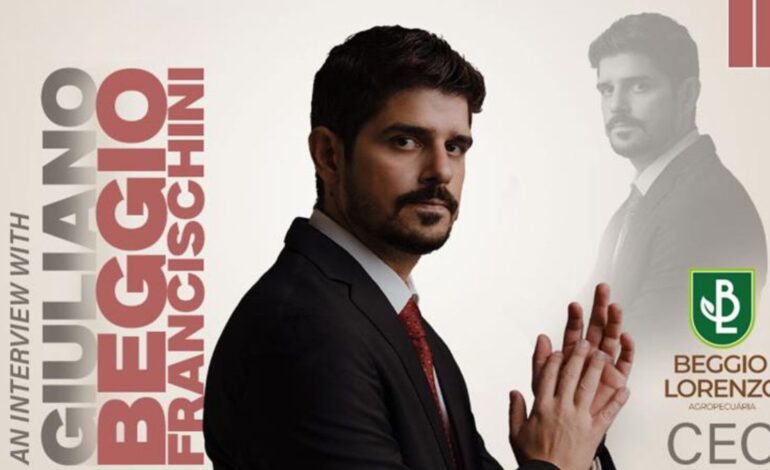

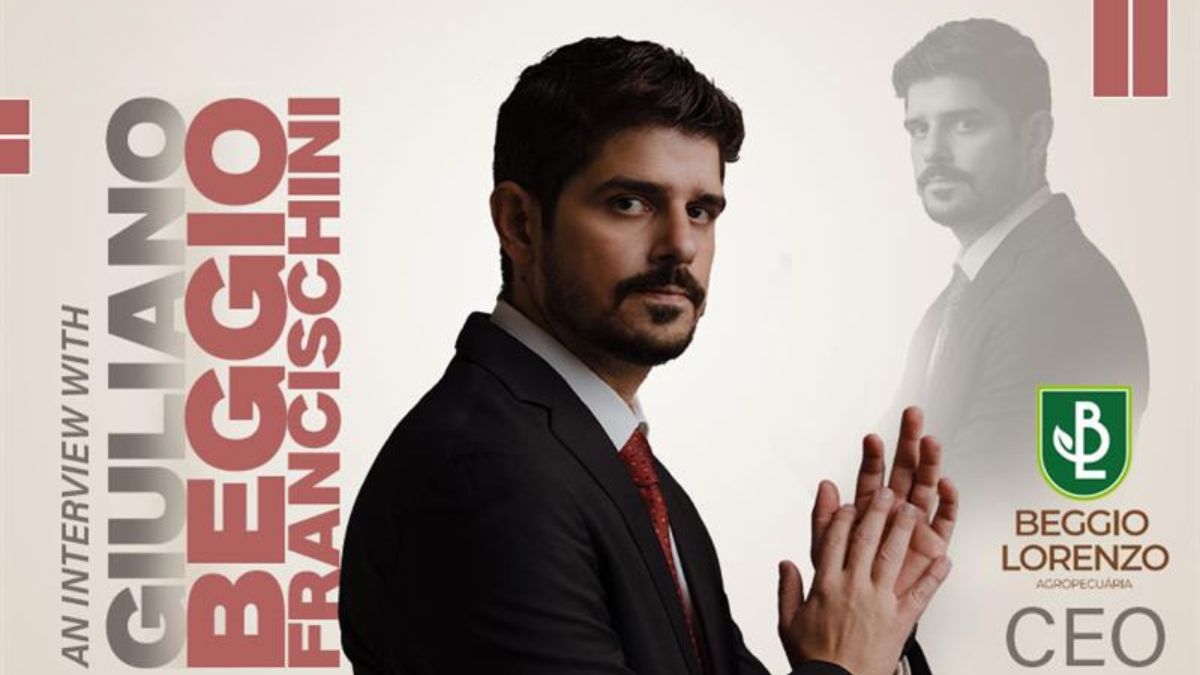
In the heart of São Paulo’s agricultural landscape, a quiet revolution is growing. Led by Giuliano Beggio Francischini, CEO of Beggio Lorenzo Agropecuária, a sugarcane farm in Matão is demonstrating that world-class productivity and deep ecological responsibility can flourish together. With over fifteen years in the sector, Francischini has transformed his family’s land into a national benchmark, earning prestigious certifications like Bonsucro and SAI Gold, along with multiple Master Cana awards. His work offers a compelling blueprint for a greener agricultural future.
A Philosophy Rooted in Balance
For Francischini, sustainability is neither a trend nor a concession—it is the core of competitive strategy. “We believe that productivity and sustainability must evolve together,” he explains. His approach rejects reliance on irrigation, focusing instead on regenerative practices that build soil health, encourage biodiversity, and employ biological pest management. This results in a resilient farming system where environmental care drives long-term yield. “Sustainability isn’t a cost,” he notes. “It’s a strategy for long-term competitiveness and a way to leave a responsible legacy.”
Global Recognition as a Catalyst
The international certifications adorning Beggio Lorenzo Agropecuária are more than accolades; they are testaments to a rigorous commitment. Francischini sees standards like Bonsucro and SAI Gold as tools that “push us to raise the bar every year.” They validate a model where environmental stewardship, social responsibility, and economic viability intersect, inspiring other producers to follow suit.
From Global Perspective to Ground-Level Impact
Francischini’s academic background in Foreign Trade and Marketing profoundly shapes his leadership. It equipped him with a global view of market dynamics and an understanding of how to communicate value beyond the product itself. This perspective allows him to manage the farm as part of a larger ecosystem—one that prioritizes traceability, innovation, and conscious practice. It’s a mindset that turns sustainable farming into a compelling narrative for the world.
Sharing Knowledge, Scaling Impact
The farm has become a classroom for producers worldwide. Visitors arrive keen to understand how high productivity coexists with regenerative methods. Francischini welcomes this dialogue, sharing insights on soil management and crop diversification openly. “Transformation in agriculture happens through collaboration,” he believes. This spirit of exchange led him to co-found Cultura do Campo, a consulting firm that guides other farms in adopting sustainable, profitable systems. The goal is replication—spreading practices that benefit both the land and the bottom line.
A Unified Vision Across Ventures
While involved in real estate and industry, Francischini’s focus remains unwavering. These experiences, he says, enrich his understanding of management and innovation, which he directly applies to advance the farm’s mission. Each role reinforces a singular goal: driving efficiency and continuous improvement in sustainable agriculture.
Cultivating a Regenerative Future
Looking ahead, Francischini’s vision is both ambitious and grounded. “I envision an agriculture that is both productive and regenerative, capable of feeding people while restoring ecosystems,” he shares. He sees Brazil as a potential leader in this global shift, where science-based, responsible methods become the norm rather than the exception.
Through patient innovation and open collaboration, Giuliano Beggio Francischini is proving that the future of farming isn’t a choice between green and growth. It is a harmonious blend of both—where each harvest nurtures the land for the next, building a legacy that benefits both business and the planet.
Connect with Giuliano Beggio Francischini on LinkedIn & Instagram
Also Read:
Inside Maduro’s ‘Respectful’ Call with Trump: What It Means for Future Ties