

Mausoleum Visit by North Korean Leader’s Daughter Fuels Succession Speculation

In the meticulously choreographed theater of North Korean statecraft, every public appearance is a sentence, every gesture a paragraph in the ongoing narrative of the Kim dynasty. This week, a new chapter was seemingly drafted, not with a speech or a policy decree, but with a silent, solemn visit.
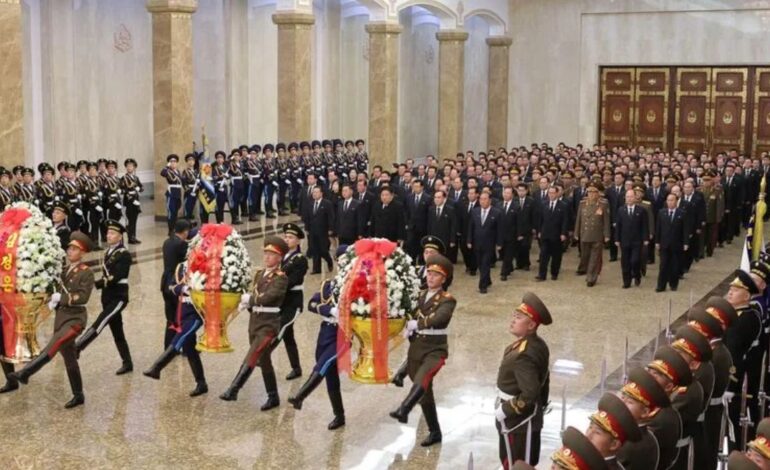
Images released by state media showed leader Kim Jong Un, flanked by top officials, paying respects at the Kumsusan Palace of the Sun—the vast mausoleum housing the embalmed bodies of his father and grandfather. By his side, prominently positioned, was his daughter, Kim Ju Ae. This was not her first public outing, but it may be her most symbolically potent to date.
For analysts who parse the regime’s visual liturgy, this was a profound signal. The Kumsusan Palace is more than a memorial; it is the sacred heart of the Kim family’s political religion. It is where the “Paektu bloodline” is physically enshrined, and where legitimacy is drawn from the “eternal leaders.” To bring Ju Ae here, and to place her centrally in the front row—a spot traditionally reserved for the ruling leader himself—is read as a form of dynastic presentation. It is, as Seoul-based scholar Cheong Seong-chang suggests, akin to introducing the heir to the founding patriarchs.
This visit solidifies a pattern that has been building since Ju Ae’s debut in 2022 at an ICBM launch. The once-secretive existence confirmed only by an anecdote from Dennis Rodman has been steadily transformed into a public persona. State media has draped her in honorifics like “beloved child” and, significantly, “great person of guidance” (hyangdo), a term loaded with succession implications.
The choreography extends beyond the mausoleum’s hushed halls. Just days before, New Year celebrations broadcast footage of a rare, affectionate moment: Ju Ae kissing her father on the cheek in front of the cameras. In a system where the leader is deified, such a humanizing display is neither casual nor accidental. It serves to soften her introduction, weaving familial loyalty into the fabric of her public image.
What does this mean for the future of the world’s only communist monarchy?
The consensus among watching experts is that the question is shifting from if to when and how. Speculation now points to the possibility of Ju Ae being elevated to a key party position, such as First Secretary of the Central Committee, at a major political congress expected soon. Such a move would institutionalize her status within the Workers’ Party machinery.
The potential ascension of a young woman would mark a dramatic shift for the isolated, patriarchal state. It would represent a fourth-generation succession, an unprecedented event in the communist world, ensuring the “Paektu bloodline” continues its grip on power. For the regime, it is a gamble on continuity and stability, presenting a fresh face to inherit the nuclear arsenal and the nation’s entrenched ideology.
For the outside world, these rituals are a crucial, if opaque, guide. In the absence of free elections or transparent political discourse, the placement of a figure in a photograph, the granting of a title, and a visit to a mausoleum are the primary texts from which we must read Pyongyang’s intentions. This latest visit suggests the narrative of succession is being written clearly, preparing the domestic audience and signaling to the world that the Kim dynasty is planning not just for the next year, but for the next generation.
Also Read:
Severe Winter Weather Alert: Snow and Strong Winds to Hit Great Lakes and Northeast
Legal Setback for White House as US Judge Blocks Plan to End South Sudan Migrant Protections