

Gen. Mamdi Doumbouya Wins Guinea Election, Provisional Results Announced
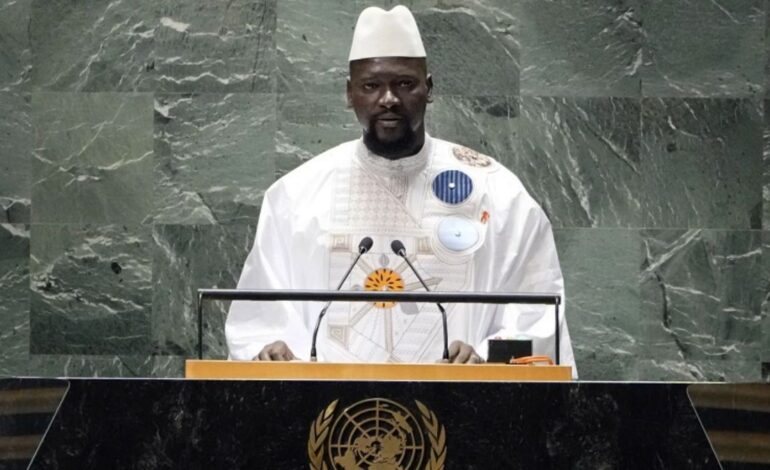

Provisional election results announced on Tuesday have confirmed a widely anticipated outcome: Guinea’s transitional leader, General Mamady Doumbouya, will become its next president. The former special forces commander, who seized power in a 2021 coup, secured a commanding 86.72 percent of the vote in the December 28 election, according to the national electoral authority.
This victory, granting him a seven-year term, completes a three-year political transition in the resource-rich West African nation. Doumbouya had toppled then-President Alpha Condé, whose controversial bid for a third term had triggered widespread unrest. The 2021 coup was part of a wave of military takeovers that have redrawn the political map of West and Central Africa since 2020.
A Path Paved by Constitutional Change
Doumbouya’s candidacy itself marks a reversal. The original post-coup charter barred junta members from running for office. That restriction was removed following a new constitution passed in a September referendum, a vote opposition groups criticized and which reported a high turnout that was not visibly matched in the capital, Conakry.
With his main political rivals, Condé and longtime opposition leader Cellou Dalein Diallo, both in exile, Doumbouya faced a fragmented field of eight challengers. The election chief announced a national turnout of over 80 percent, though observers noted tepid participation in the capital.
Popularity Built on Resource Nationalism and Youth
The general’s campaign leveraged two powerful themes. First, his government has pursued a popular path of resource nationalism. Guinea holds the world’s largest reserves of bauxite and the immense, untapped Simandou iron ore deposit. Doumbouya has taken credit for advancing the long-stalled Simandou project and has moved to assert greater state control over mineral assets, including revoking a major alumina refinery license this year.
Second, at an age thought to be in his early 40s, he represents a generational shift in a country where the median age is about 19, positioning himself against an older political establishment.
A Victory Amidst Criticism and Restricted Space
The election and the preceding transition have not been without significant controversy. International observers, including UN rights chief Volker Türk, noted a severely restricted campaign period. Reports cite intimidation of opposition figures, constraints on media freedom, and banned protests. Opposition candidate Faya Lansana Millimono denounced “systematic fraudulent practices” and accused authorities of preventing observers from monitoring the vote.
The Supreme Court now has eight days to validate the results should any legal challenges arise. For Doumbouya, the task shifts from securing the presidency to governing a nation whose people await the tangible benefits of its vast mineral wealth, all within a political environment that many fear has grown more constrained.
Also Read:
North Korea Conducts New Long-Range Cruise Missile Test
Trump Says Ukraine and Russia Are Closer to Peace After Zelensky Talks