
Why Culture Is Suffering During Kosovo’s Ongoing Political Crisis

In the historic city of Prizren, Kosovo’s oldest cinema stands as a silent monument to a crisis. The Lumbardhi, a once-vibrant theater, now slowly disintegrates. Signs warn of its crumbling facade, while inside, a leaky roof hastens its decay. It has waited seven years for a promised revival, a wait that has stretched from dashed European Union hopes to paralyzed national politics.
“The city deserves to have the cinema renovated and preserved,” laments Arsim Futko, a 62-year-old butcher next door. “Only junkies gathering there benefit from it now.” This iconic building’s fate is a stark symbol of a wider affliction: as Kosovo’s political system remains deadlocked, its cultural soul is suffering profound collateral damage.
Collateral Damage in a Geopolitical Game
The cinema’s director, Ares Shporta, describes the institution as “collateral damage” in a broader geopolitical struggle. In 2023, the EU imposed sanctions on Kosovo following heightened tensions between the government and the ethnic Serb minority. This decision abruptly withdrew long-promised EU funds for the Lumbardhi’s restoration.
The delayed repairs, Shporta explains, “affected our morale, it affected our lives, it affected the trust of the community in us.” The cultural sector has been among the hardest hit. An analysis by the GAP Institute for Advanced Studies estimates that sanctions resulted in around 613 million euros being suspended, with culture alone taking a 15-million-euro blow.
Political Paralysis and a Race Against Time
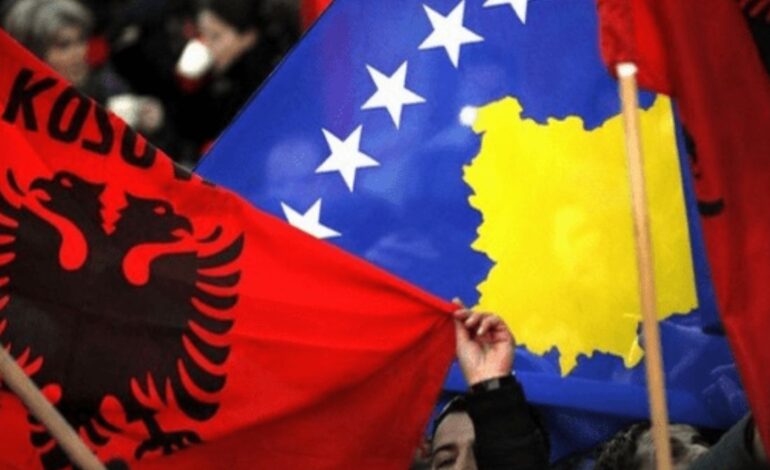
The national government, which subsequently promised to fund the repairs, has been paralyzed since inconclusive elections in February. Outgoing Prime Minister Albin Kurti’s caretaker government has been locked in a stalemate with opposition lawmakers, leaving a legislative vacuum. As Kosovo heads into a snap election this Sunday, there is no guarantee any new government will honor old promises.
The cost of this inertia is quantifiable. The government warns that over 200 million euros in international funds will be lost forever due to a failure to ratify agreements. Once the top beneficiary of the EU’s Growth Plan for the Balkans, Kosovo now “remains at ground zero,” says Njomza Arifi of the Group for Legal and Political Studies, while neighboring nations advance.
A Sector on the Edge
The strain radiates across Prizren. Across the river, the renowned Dokufest documentary film festival is feeling the pinch. “The festival has had to make staff cuts. Unfortunately, there is a risk of further cuts if things don’t change,” says artistic director Veton Nurkollari. He notes a desperate reliance on diverse funding sources, a necessary strategy when single taps can be turned off by political decisions.
There is a glimmer of hope—some EU sanctions may be eased by January. But Kurti’s continued policies in the country’s north continue to draw criticism from Brussels and Washington, prolonging the uncertainty.
The crumbling facade of the Lumbardhi Cinema is more than a local eyesore. It is a physical manifestation of a cultural sector held hostage by political crisis. It represents lost opportunities, stifled creativity, and a community’s dwindling faith. As Kosovo votes, the question hangs in the air: will the new leadership finally clear the rubble and allow the lights to come back on, or will the nation’s cultural heart remain in the dark?
Also Read:
Bangladesh Politics Sees Major Shift as PM Contender Returns After 17 Years
Greece Coast Guard Saves 52 Migrants After Boat Incident, Child Still Missing