





Japan Prepares to Restart the World’s Biggest Nuclear Plant After 15 Years

- PublishedDecember 22, 2025
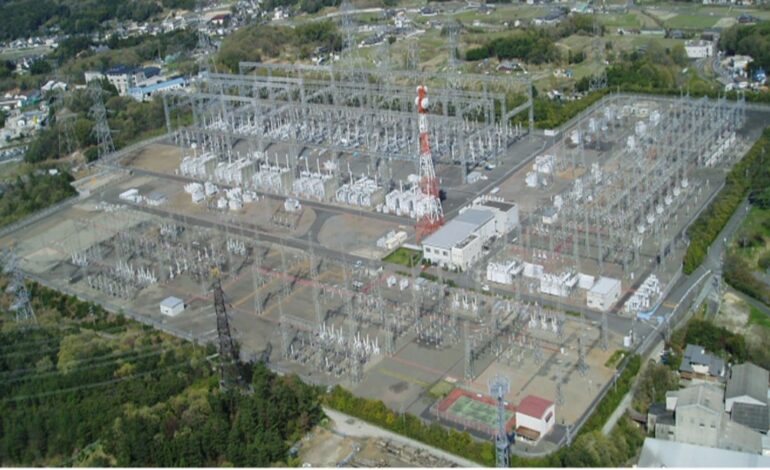
In a decision that marks a pivotal moment for Japan’s energy future, regional lawmakers in Niigata prefecture voted on Monday to support the restart of the Kashiwazaki-Kariwa nuclear power station—the largest such facility in the world. This move, coming nearly fifteen years after the Fukushima Daiichi disaster, represents a profound shift as the nation seeks to balance deep-seated public anxieties with pressing economic and energy security needs.
The vote by the Niigata assembly, effectively a show of confidence in Governor Hideyo Hanazumi who endorsed the restart last month, clears the final major political hurdle for operator Tokyo Electric Power Company (TEPCO). This is a significant step, not least because TEPCO was the operator of the stricken Fukushima plant. The company now stands to bring the first of Kashiwazaki-Kariwa’s seven reactors back online as soon as January, according to reports.
A Community Divided, A Nation’s Dilemma
The assembly session laid bare a community—and a country—still wrestling with the legacy of 2011. Outside the building, several hundred protesters braved the cold, holding banners that read “No Nukes” and “Support Fukushima.” Their fears were echoed inside the chamber, where one assembly member decried the move as “a political settlement that does not take into account the will of the Niigata residents.”
These sentiments are grounded in recent data. An October survey by the prefecture found that 60% of residents felt the conditions for a safe restart had not been met, with nearly 70% expressing worry about TEPCO’s management. For individuals like Ayako Oga, a farmer who fled Fukushima in 2011 and now lives in Niigata, the risk is not theoretical. “We know firsthand the risk of a nuclear accident and cannot dismiss it,” she said, describing lasting trauma from her experience. Her old home remains inside the irradiated exclusion zone.
The Driving Forces: Security, Cost, and Demand
Despite this palpable reluctance, powerful national currents are driving the restart. Japan, which spends trillions of yen annually on imported fossil fuels for most of its electricity, is actively working to strengthen its energy security and curb costs. The government, under Prime Minister Sanae Takaichi, views nuclear power as a stable, domestic source of energy critical for this goal.
Furthermore, the country faces a paradox: despite a shrinking population, its energy demand is projected to rise, fueled in part by a boom in power-intensive data centers. To meet this demand and its commitments to reduce carbon emissions, Japan aims to double nuclear’s share of its power mix to 20% by 2040. Restarting a single reactor at Kashiwazaki-Kariwa, with its massive total capacity of 8.2 gigawatts, could boost electricity supply to the Tokyo area by an estimated 2%.
A Milestone, Not an Endpoint
Governor Hanazumi himself captured the nuanced reality after the vote, calling it “a milestone, but this is not the end.” He stressed there is “no end in terms of ensuring safety,” and even expressed a hope for a future less dependent on anxiety-provoking energy sources.
TEPCO, for its part, has pledged 100 billion yen over ten years to the prefecture and vowed, through spokesperson Masakatsu Takata, “to never repeat such an accident.” The company’s shares rose following the vote, reflecting market optimism.
The restart of Kashiwazaki-Kariwa is a watershed, signaling Japan’s sustained return to nuclear energy. Yet, as the chants of protesters and the quiet fears of residents remind us, it is a return paved with caution, division, and the indelible memory of Fukushima. The path forward hinges not just on reactivating reactors, but on continuously earning a trust that was shattered fifteen years ago, ensuring that safety and transparency are not mere promises, but an unwavering practice.
Also Read: